
Last updated November 23, 2026
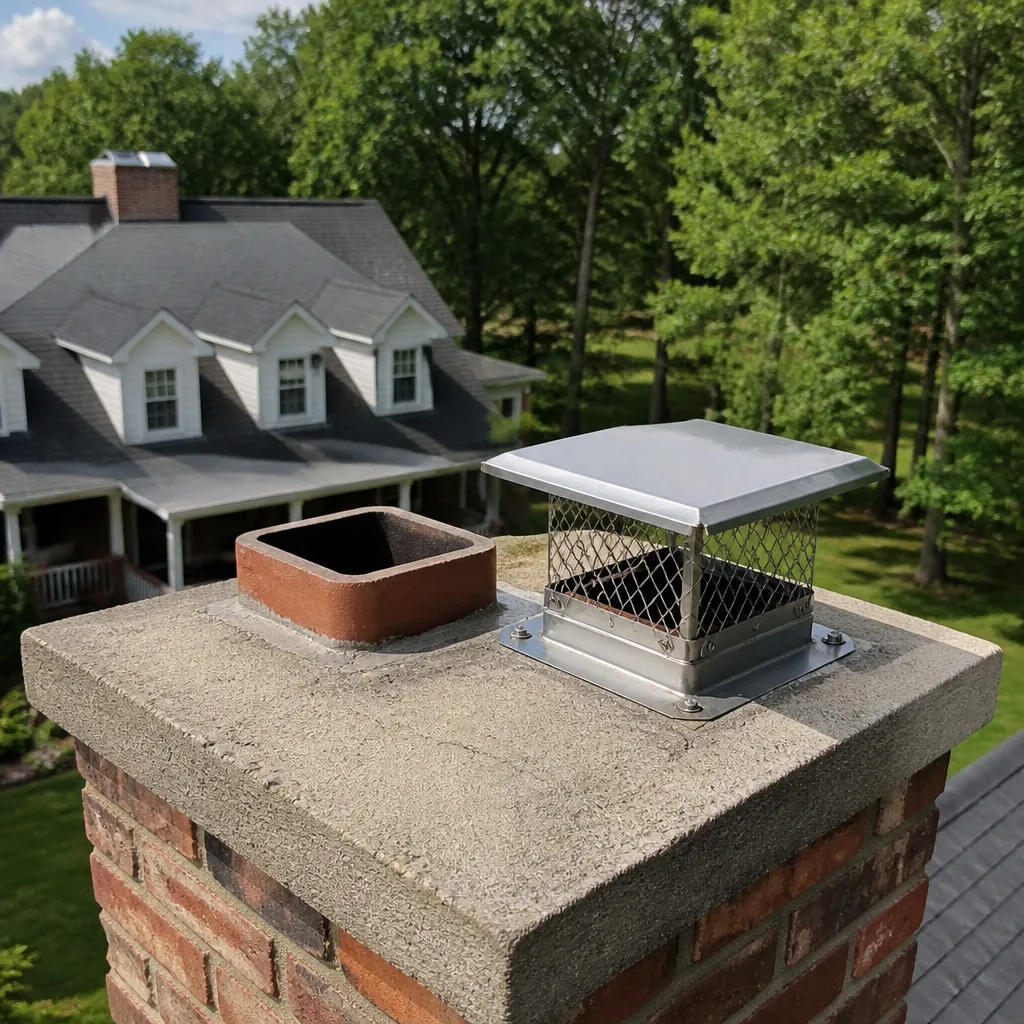 Sweep & inspection
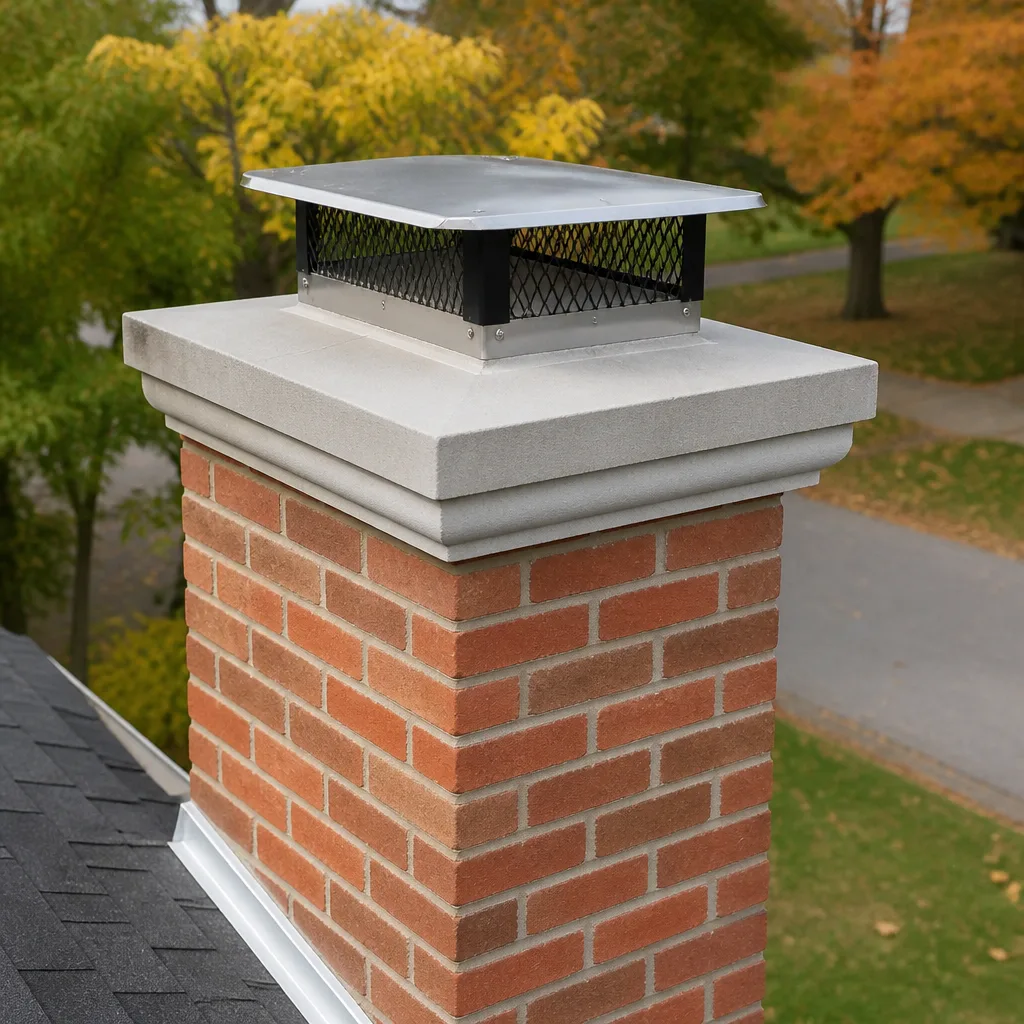 Caps & crowns
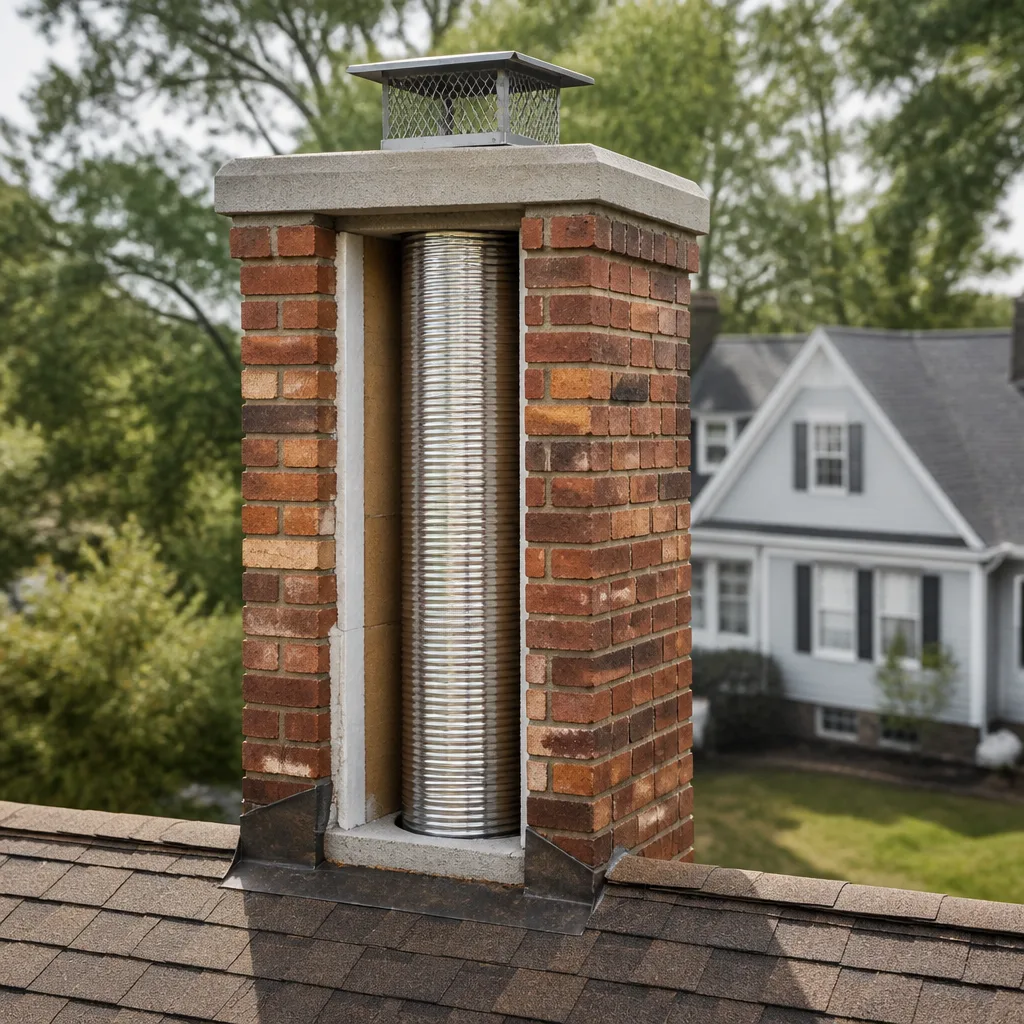 Flue relining
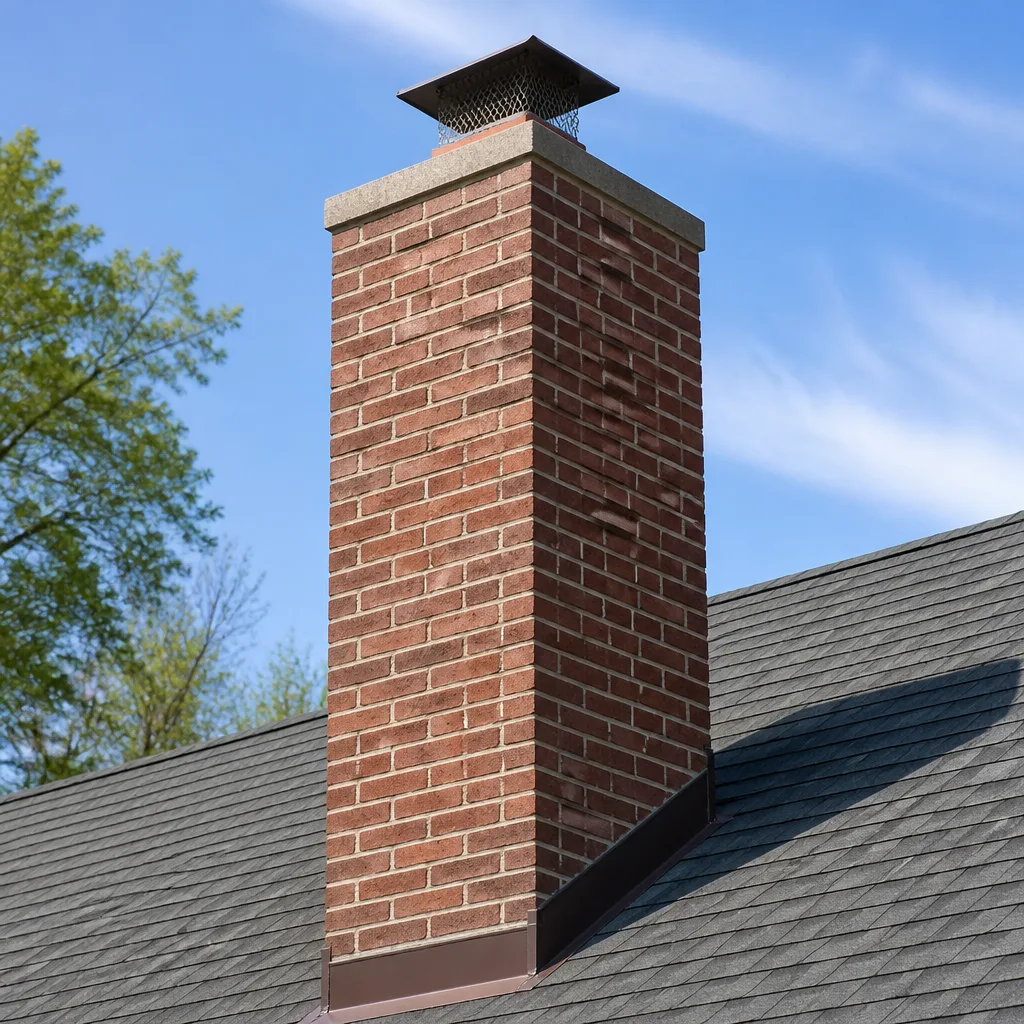 Masonry repair
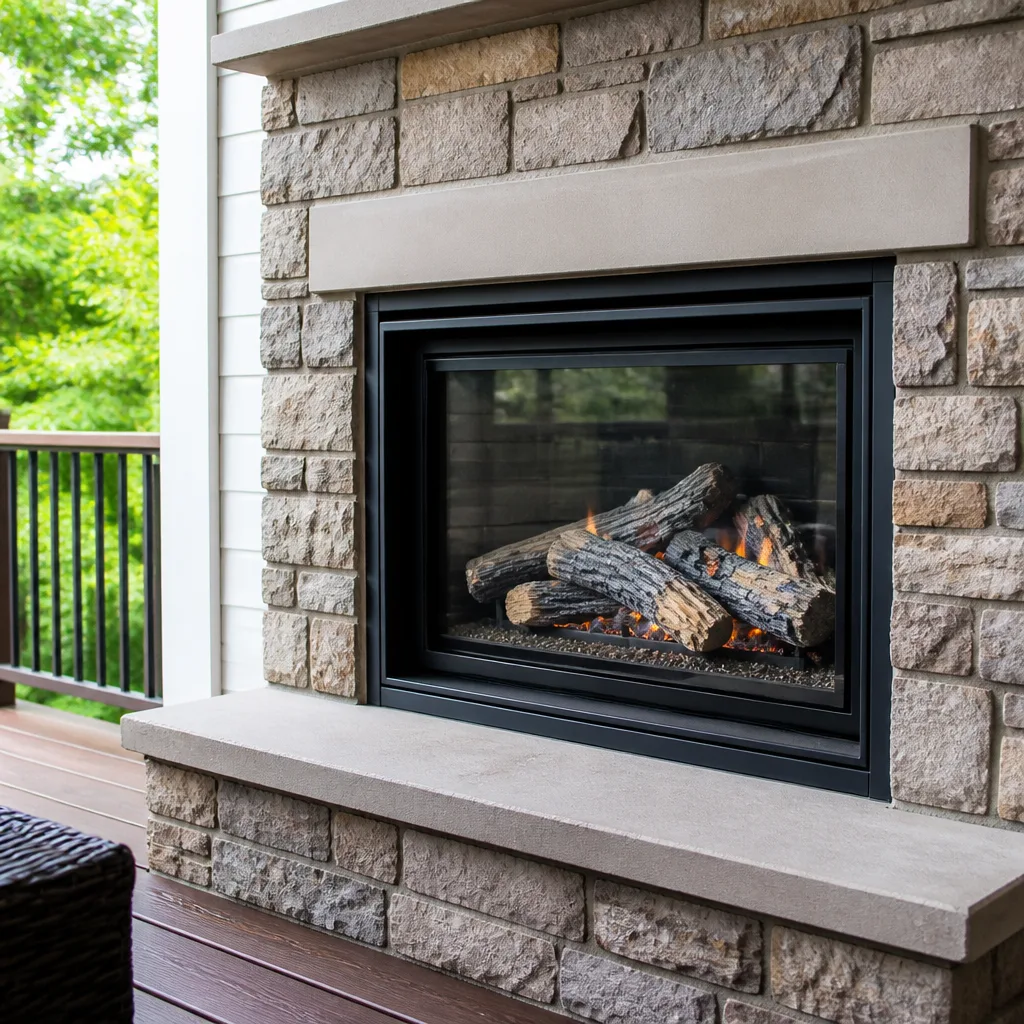 Gas fireplace service
Level 1 sweep and inspection to the NFPA 211 annual standard - flue, crown, cap, and flashing checked and photographed
Chimney sweep logs do not sweep chimneys. They loosen some creosote - which then falls where a brush and vacuum still have to collect it.
Choosing the Right Chimney Cleaning Brand: A Buyer’s Guide for Castle Rock
Most homeowners shopping for chimney service start with the wrong question. They compare national franchises against local shops and assume the big name means consistency. But national chimney brands mostly operate on a licensing model: the sign on the truck is uniform, while the technician who shows up at your Castle Rock door may be a recent hire with a few weeks of training behind them. The brand doesn’t sweep your flue. A person does, with a specific set of tools and a specific level of skill. This guide reframes the decision around what actually determines service quality: real infrastructure, repair capability, and material depth. By the end you’ll know how to tell a genuine full-service chimney specialist from a cleaning-only operator.
Quick Answer
The right chimney cleaning brand in Castle Rock is the one that can carry your chimney from a routine chimney sweep through inspection and, if needed, structural repair without handing you off to someone else. Look for professional-grade materials, a documented inspection step, and technicians with real field experience, not just a familiar franchise logo. A company that stops at cleaning has a narrow view of your chimney; the sweep is where the work starts, not where it ends.
Styles & brands we work with
- Sweep & inspection
- Caps & crowns
- Flue relining
- Masonry repair
- Gas fireplace service
Table of Contents
- What “Full-Service” Actually Means in the Chimney Industry
- How to Evaluate a Local Chimney Company’s Real Depth
- Franchise Model vs. Independent Specialist: Honest Tradeoffs
- What Professional-Grade Materials Signal About a Company
- Why Continuity of Service Provider Matters for Chimney Systems
- Chimney Care in Castle Rock: Climate, Housing, and What It Demands
- Questions to Ask Before You Book
- How to Think About Cost Without Getting Sold
What “Full-Service” Actually Means in the Chimney Industry
In chimney work, “full-service” is a phrase that gets used loosely. A company that sweeps and inspects but refers all repairs elsewhere is not full-service. A company that installs caps but won’t touch a cracked crown is not full-service. Full-service means the company can carry a job from the first cleaning through structural repair with its own capability and its own materials.
Here’s how to test the claim. Ask what happens when the sweep turns up a problem. A cleaning-only operator gives you a report and a referral. A genuine specialist gives you a report and a plan, and the same provider can execute it. At Castle Rock Chimney Sweep, our five core services run the full system: chimney sweeping, chimney inspection, fireplace repair, chimney repair, and cap and crown installation. A cracked crown that causes moisture intrusion gets diagnosed and repaired by the same operation that found it, without a runaround.
That matters more than it might sound. Chimney problems layer on each other. A failing crown lets water into the masonry. Water freezes and spalls the brick. Spalling brick opens pathways for moisture into the flue structure. A sweep-only company sees the symptom at the top and the cleaning inside. A repair-capable company sees the chain and can stop it in one place.
- Cleaning-only: sweeps the flue, hands you a report, refers repair work out.
- Cleaning plus inspection: documents condition, still refers repairs.
- Full-service specialist: sweeps, inspects, installs caps and crowns, restores liners, performs structural masonry and fireplace repair under one provider.
How to Evaluate a Local Chimney Company’s Real Depth
Reviews tell you whether people liked the visit. They don’t tell you whether the company has the equipment to do the job right. Depth shows up in the questions a company can answer about its own operations. Here’s a practical evaluation sequence.
- Ask what inspection tools they use. A proper inspection involves more than eyes and a flashlight. Ask about camera inspection and whether you receive photos or video of what they found. You should be able to see the evidence yourself.
- Ask about technician experience. Our technicians have up to 8 years of experience, and that tenure is what lets them recognize a failing liner or a hidden creosote glaze that a newer hire might miss. Ask any company how long their technicians have been in the trade.
- Ask which materials they source. A company that uses professional-grade trade brands like HeatShield or DuraFlex has made a decision to invest in lasting work. One that can’t name its liner or crown materials is improvising.
- Ask what happens after the inspection. If the answer is “we’ll refer you,” you’re talking to a cleaning operation. If the answer is “we can repair that,” you’re talking to a specialist.
- Ask how the price is set. The written estimate should set the final price per job. Run from vague hourly guesswork.
None of these questions require technical knowledge from you. They only require that the company has answers. A confident, capable chimney specialist in Castle Rock will have them ready. A company that fumbles them is telling you something.
Franchise Model vs. Independent Specialist: Honest Tradeoffs
This guide doesn’t default to either side. There are real tradeoffs to weigh, and the honest answer is that the model matters less than the infrastructure behind it.
The franchise model’s strength is consistency of process. A national brand can standardize how a sweep is performed across locations. Its weakness is that the brand is a licensing arrangement, not a guarantee of technician skill. The person at your door may be excellent, or may be early in training. The brand cannot guarantee which.
The independent specialist model’s strength is depth and continuity. A company that handles sweeping, inspection, fireplace repair, chimney repair, and cap and crown installation in-house holds the whole system in view. Its weakness, when it exists, is that independence isn’t a substitute for capability. An independent shop that only sweeps is no deeper than a franchise that only sweeps.
The question that cuts through it: can the company answer the depth questions from the previous section? A franchise location that has real repair capability and experienced technicians passes. An independent specialist with professional-grade materials and full lifecycle coverage passes. A cleaning-only operation of either kind fails. For Castle Rock homeowners, the practical move is to evaluate capability directly rather than assume the model tells you anything.
What Professional-Grade Materials Signal About a Company
Material choice is the quiet tell. A company that reaches for industry-spec products has decided that the work should last. A company that reaches for whatever is cheapest has decided to finish the job, not protect the chimney.
Here’s what specific materials signal:
- HeatShield ceramic liner repair is a restoration system, not a patch. A company capable of applying HeatShield has advanced liner expertise that most sweep-only operations simply don’t carry. It means the company can restore a damaged liner interior rather than immediately pushing a full relining.
- DuraFlex flexible liner systems are a stainless liner platform. Sourcing them tells you the company invests in products built for long service life, not temporary fixes.
- Industry-spec caps and crowns from established names like Olympia Chimney and Famco signal that moisture protection is being handled with engineered components. A cap or crown that fails early protects nothing.
- Copperfield supply-grade components indicate a company working with trade-standard parts rather than improvised substitutes.
None of this requires you to become a materials expert. You only need to notice whether the company has names for what it uses. A specialist can tell you in a sentence. In our experience, companies that can’t name their materials are usually buying on price at the bottom of the market.
Why Continuity of Service Provider Matters for Chimney Systems
Chimneys are slow-motion structures. They change over years, not visits. That makes continuity unusually valuable compared with other home services. A company that has inspected your flue before knows its history. It knows whether the creosote glaze you had two seasons ago has returned. It knows the shape of a crown crack and whether it’s spreading.
When a different company inspects each time, every visit starts from scratch. You pay for the rediscovery of your chimney’s condition. Worse, small changes between visits may not register because there’s no baseline to compare against.
A single provider that carries the full lifecycle, sweeping through structural repair, holds your chimney’s history as part of the relationship. That history lets a technician diagnose faster and more accurately. It also means the repair recommendation comes with context: what was there last time, what changed, and what the camera shows now.
We inspect before we leave. That’s not an upsell step; it’s how we build the record that makes the next visit smarter. For a chimney system that has to protect a Castle Rock home through freeze-thaw winters, that continuity is worth more than a slightly lower sweep price.
Chimney Care in Castle Rock: Climate, Housing, and What It Demands
Castle Rock sits at elevation along the Palmer Divide, and that geography changes what a chimney faces. Winters bring freeze-thaw cycles that stress masonry, crowns, and mortar joints. Swings from warm afternoons to hard freezes work water into small cracks and then expand it. The result is spalling brick and failing crowns that a milder climate never produces.
Housing stock around Castle Rock runs from older homes near the downtown core to newer construction in neighborhoods like The Meadows and Founders Village. The two demand different attention. Older chimneys carry more accumulated creosote history and more masonry wear. Newer chimneys are often built with modern prefab liners and factory crowns that need verification, not assumption. Either way, moisture protection is the priority. A cap and crown system keeps water out at the top, which is where most serious chimney deterioration begins.
Burning patterns matter too. Castle Rock homeowners who burn regularly through the colder months build creosote faster than occasional users, and creosote is the fuel for chimney fires. The risk is real and explainable: creosote accumulates on the flue walls, a hot fire can ignite it, and a chimney fire can damage the liner and the structure even when you don’t realize it happened. That’s the case for regular inspection by a trained professional, not for alarm. Carbon monoxide is the quieter concern, which is why a proper inspection verifies that the flue is venting as it should. A sweep and inspection is a planned appointment, best booked before burning season begins, so the chimney is ready when the cold arrives.
Questions to Ask Before You Book
The right questions will separate a capable specialist from a cleaning operation in about five minutes on the phone. Use these.
- Do you inspect, and do I get to see the findings? The answer should include camera inspection and photos you can look at yourself. Nothing should be recommended without evidence you can see.
- Can you repair what you find? If the answer routes to a referral for everything beyond sweeping, you’re hiring a cleaning service.
- What liner and crown materials do you use? Look for professional-grade names. A capability to apply HeatShield liner restoration is a strong signal.
- How long have your technicians been in the trade? Experience shows in what they catch.
- How is the price set? The written estimate per job is the answer you want.
- What happens if the chimney is in good shape? A company that tells you plainly when work can safely wait is one you can trust when it says work shouldn’t.
If any of these answers come back vague, ask again. A specialist doesn’t mind. A company that can’t answer them is telling you what the experience will feel like.
How to Think About Cost Without Getting Sold
Chimney work doesn’t have a single market price, and this guide won’t invent one. What matters is how the price is set. A written estimate per job is the standard you should hold any provider to. It tells you what the work includes before it starts and gives you the final price in writing.
The bigger cost trap is unnecessary work. Homeowners worry, reasonably, about being told they need a liner rebuild or masonry repair they have no way to verify. The defense is camera evidence. Nothing should be recommended without it, and you should be able to see the footage for yourself. If a company recommends repair, it should be able to show you why.
Conversely, a good specialist will say plainly when work can wait. Not every worn crown needs replacement this year. Not every liner nick means a rebuild. The ability to tell you when the chimney is fine is the same skill that makes a repair recommendation credible.
The estimate itself is free, and the price is set per job by that written estimate. Treat any quote given without inspection, or any pressure to approve work on the spot, as a signal to slow down. Call (844) 883-7423 for an exact quote. Estimates are free.
Common Mistakes to Avoid
- Assuming the logo guarantees the technician. The brand on the truck doesn’t determine who shows up or how much training they’ve had. Verify capability directly.
- Treating the sweep as the whole job. A cleaning without inspection tells you the flue is cleaner, not that it’s safe. In a freeze-thaw climate like Castle Rock’s, the inspection findings matter as much as the brushwork.
- Skipping the cap and crown question. Moisture at the top is where most chimney deterioration starts. A provider that doesn’t address caps and crowns is treating symptoms, not causes.
- Accepting a repair recommendation without camera evidence. If you can’t see the problem, you can’t judge the solution. Ask for the footage.
- Hiring whoever is cheapest without asking about materials. A low bid that uses supply-grade substitutes at the bottom of the market costs more over time than a properly specified job.
- Letting the provider change every visit. Chimneys change slowly, and history is diagnostic value. A provider that knows your flue’s history catches problems earlier.
- Ignoring the pre-season window. Booking the sweep before burning season begins means the chimney is inspected when there’s time to repair anything found, not when you’re already burning.
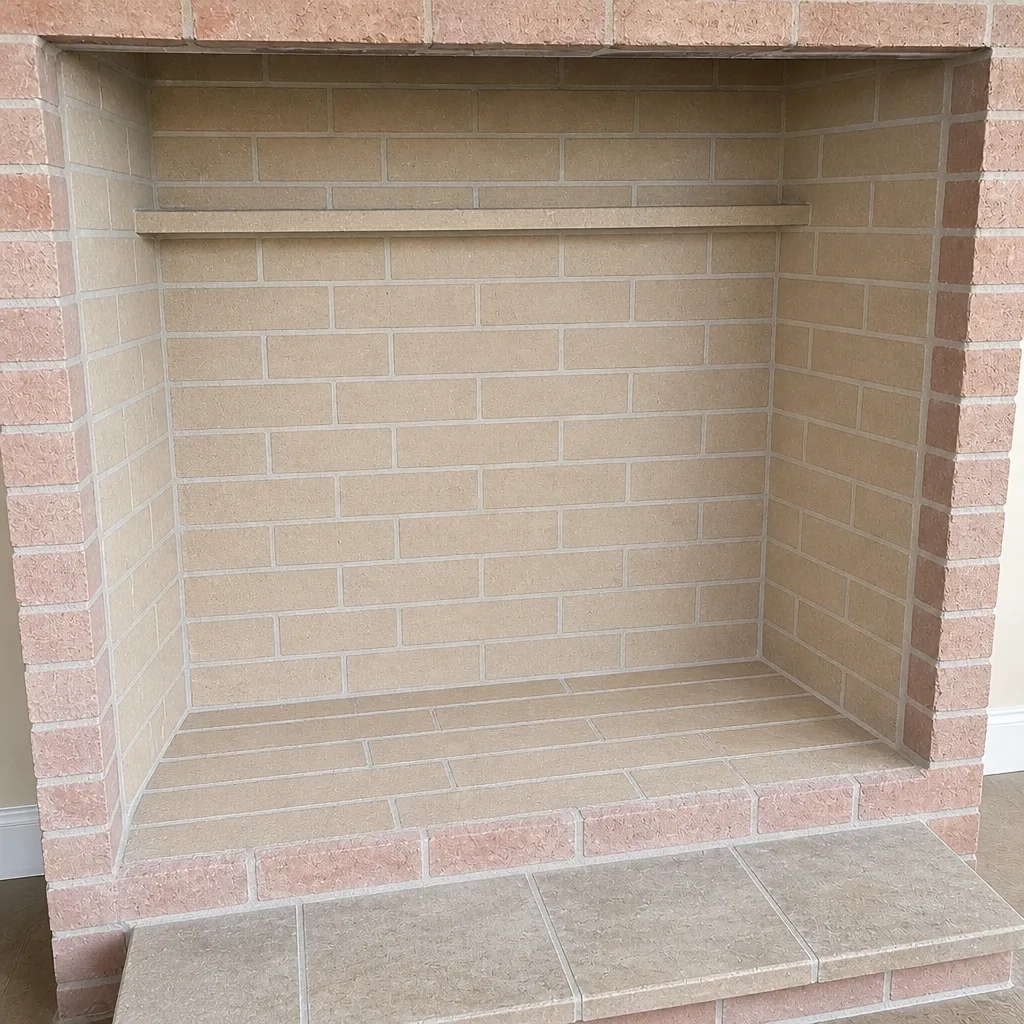
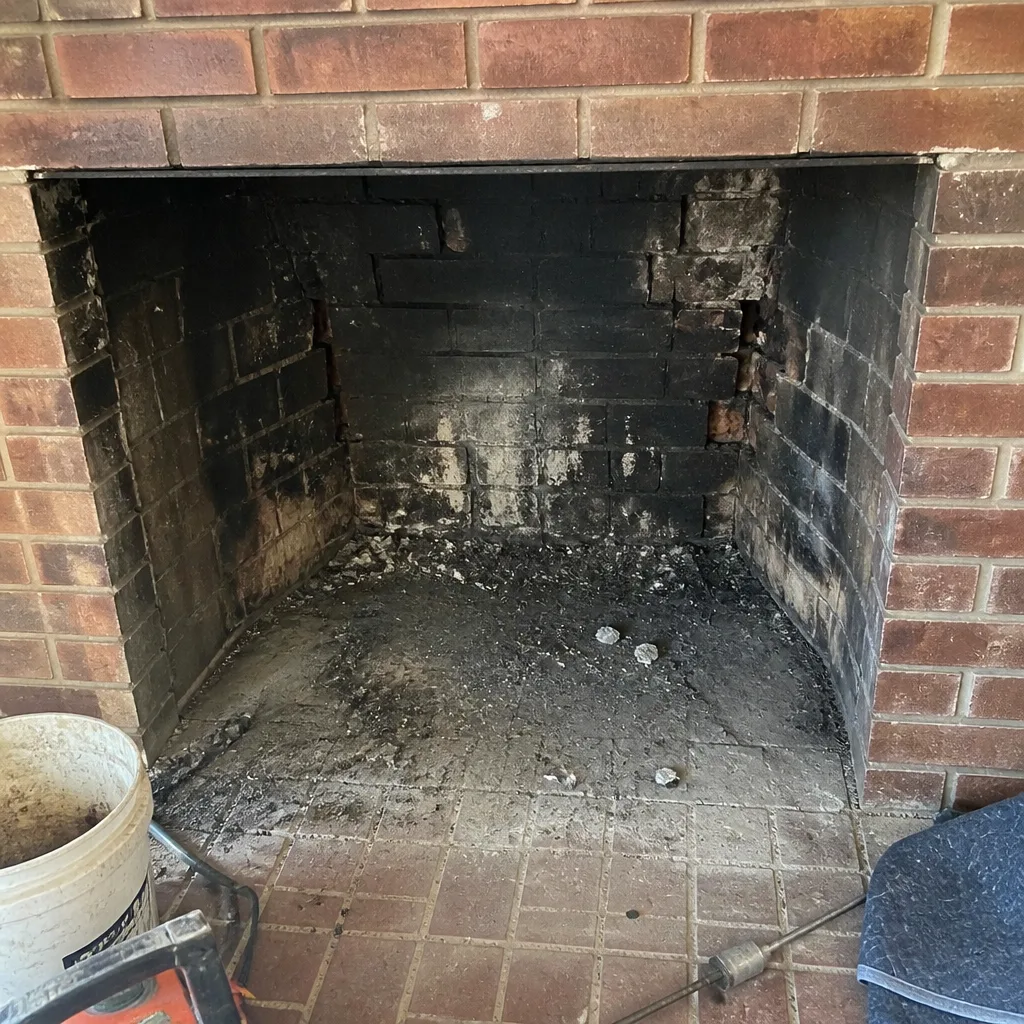
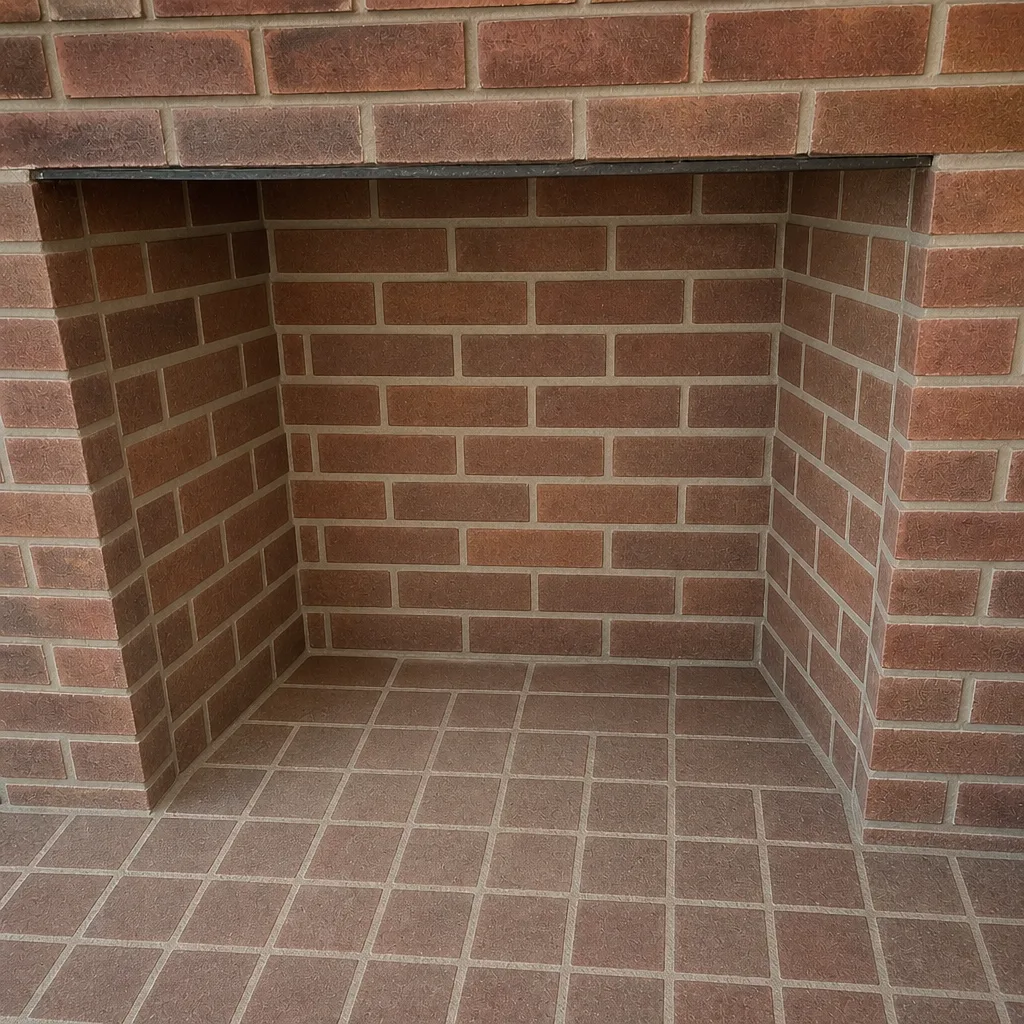
See the difference
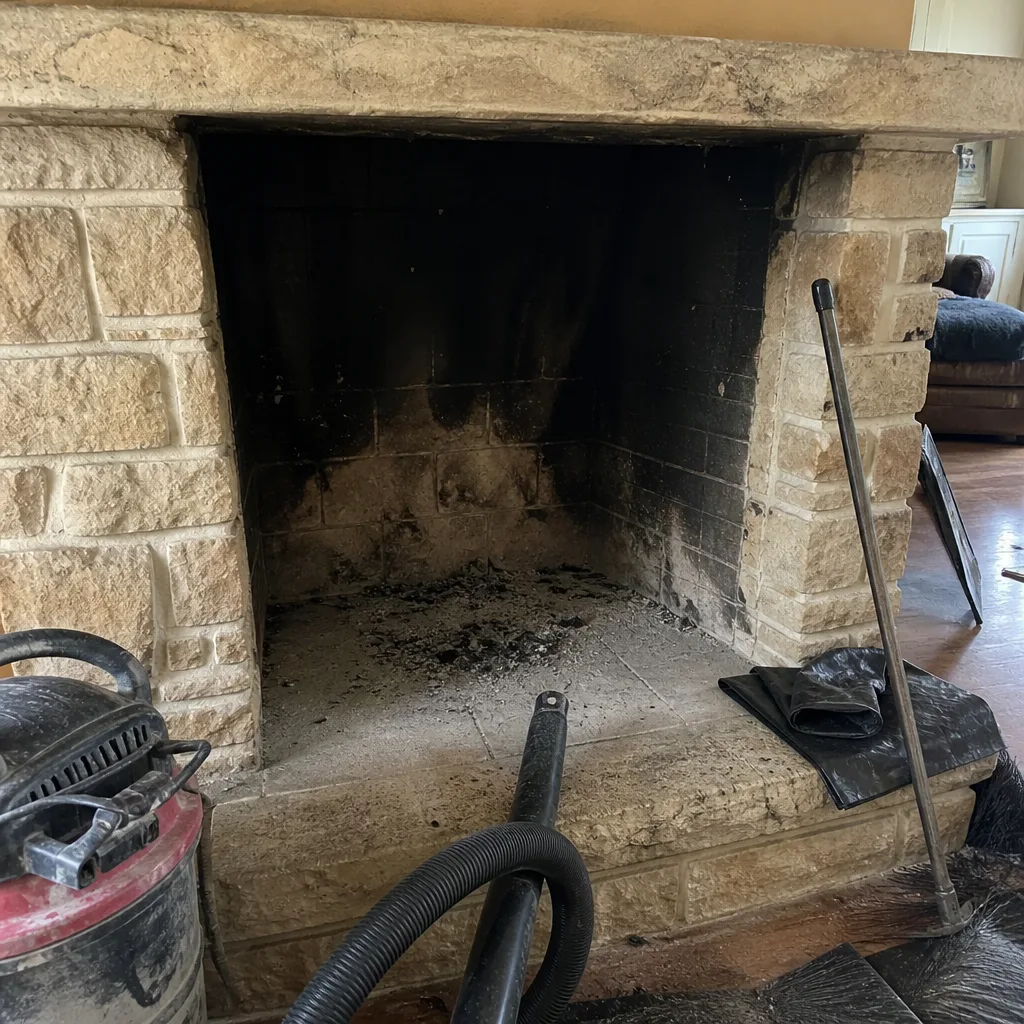 Before
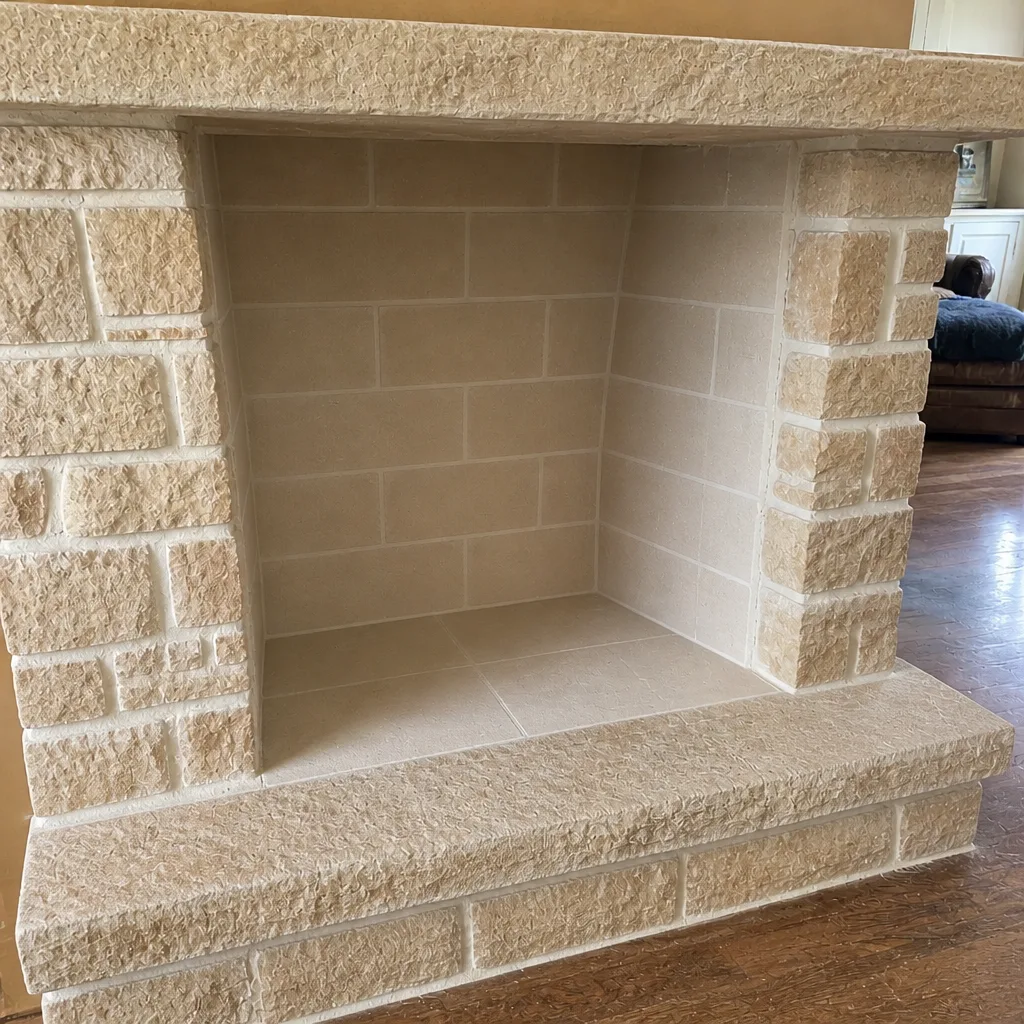 After
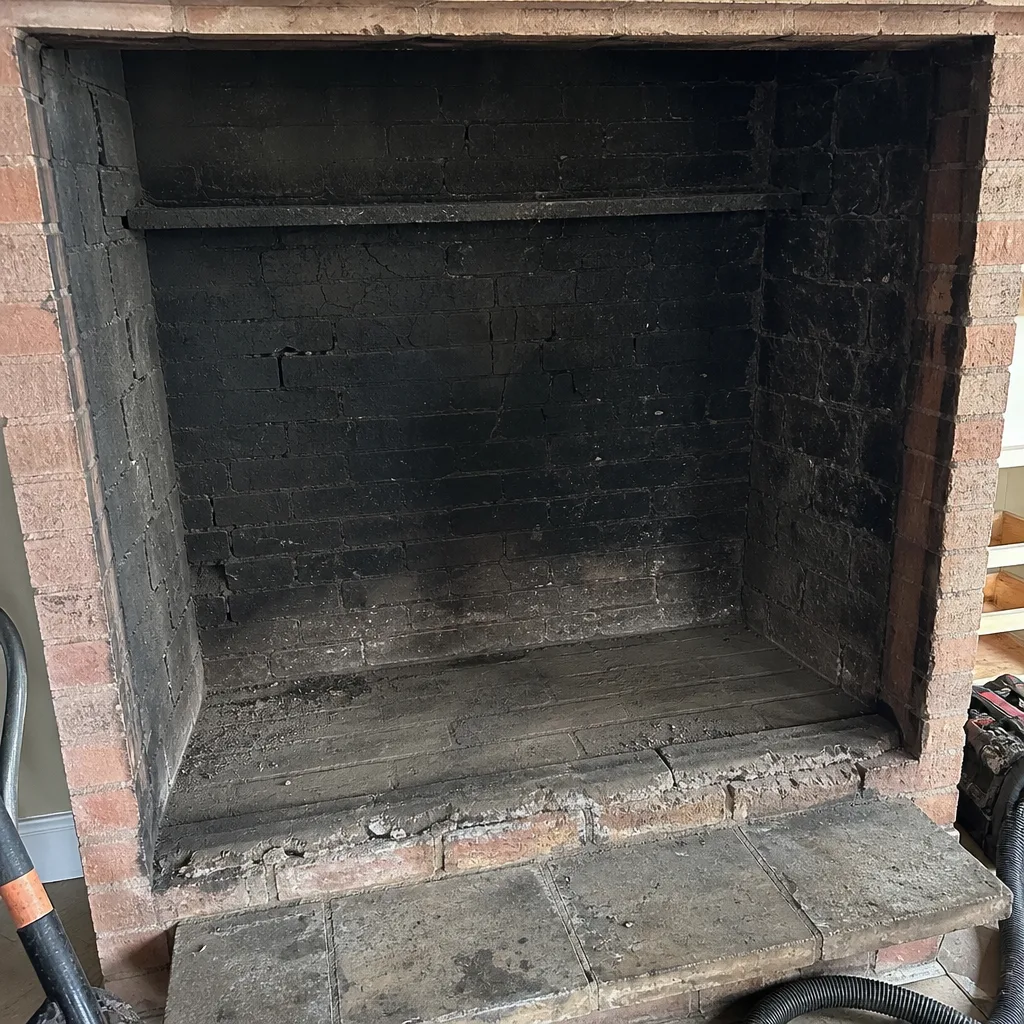 Before
 After
 Before
 After
When to Call a Professional
Some conditions need a trained professional, not a homeowner with a flashlight. Call when you notice creosote accumulation that’s hard to judge by eye, especially glazed or tar-like deposits. Call when you see a cracked crown, damaged masonry, or missing mortar at the top of the chimney. Call if the cap is loose, missing, or letting water in. Call whenever smoke backs into the room, the draft seems weak, or you smell a persistent odor from the fireplace outside of burn season. Call before your first fire of the season if the chimney hasn’t been inspected in some time, and call if you’ve had a chimney fire, even a small one, because liner damage doesn’t always announce itself. Castle Rock Chimney Sweep offers free estimates in Castle Rock, call (844) 883-7423. We answer 24/7. Fast dispatch from 7am to 7pm, Sunday through Friday.
Frequently Asked Questions
Chimney sweep pricing varies by the chimney’s condition and what the visit includes, but the estimate is free and the price is set per job by the written estimate. The number that matters is what the work includes: a real sweep, an inspection with camera evidence, and findings you can see. A low sweep price without inspection is a narrower service, not a better deal. Call (844) 883-7423 for an exact quote.
Only if the camera evidence shows the current liner is failing, and you should see that evidence yourself. Many chimneys don’t need a full reline; some need HeatShield liner restoration, some need only a repair, and some are fine. Nothing is recommended without camera inspection and photos you can review. If the liner can safely wait, we’ll say so. Call (844) 883-7423 to book an inspection.
The right interval depends on how much and how you burn, and the honest answer for most regular wood burners is at least once a year with an inspection. Freeze-thaw conditions on the Palmer Divide also make an annual check of the crown and masonry worth the visit. Book before burning season so anything found has time to be repaired. Call (844) 883-7423 for an exact quote.
Creosote builds up on the flue walls, and a hot fire can ignite it, damaging the liner and the chimney structure even when you don’t notice. Skipping also means missing the inspection that catches crown cracks and moisture problems before they become masonry repairs. It’s not about drama; it’s about knowing what’s inside the flue. Call (844) 883-7423 for an inspection.
Possibly, if the local franchise location has real repair capability and experienced technicians, so evaluate the location rather than the logo. Ask what materials they use, whether they can handle structural chimney repair in-house, and how long their technicians have been in the trade. A brand is a standard; capability is what protects your chimney. Call (844) 883-7423 to talk through what your chimney needs.
Sweeping removes creosote and debris from the flue; inspection determines the chimney’s condition, including the liner, crown, cap, and masonry, usually with camera evidence. They’re different jobs and you want both. We inspect before we leave, so the findings are part of every visit rather than an add-on. Call (844) 883-7423 for an exact quote.
The Bottom Line
The chimney brand question comes down to infrastructure, not the logo on the truck. A capable Castle Rock chimney company sweeps, inspects with evidence you can see, and can carry the job through structural repair using professional-grade materials like HeatShield, DuraFlex, and industry-spec caps and crowns. It has experienced technicians and a written estimate per job. It tells you plainly when work can wait. The franchise-versus-independent debate matters far less than whether the company can answer these questions directly. Evaluate the infrastructure, verify the materials, and ask for the camera. That’s the whole buying decision.
Call (844) 883-7423 for a free estimate. We answer 24/7. Fast dispatch from 7am to 7pm, Sunday through Friday.
Written by the team at Castle Rock Chimney Sweep.