
Last updated November 23, 2026
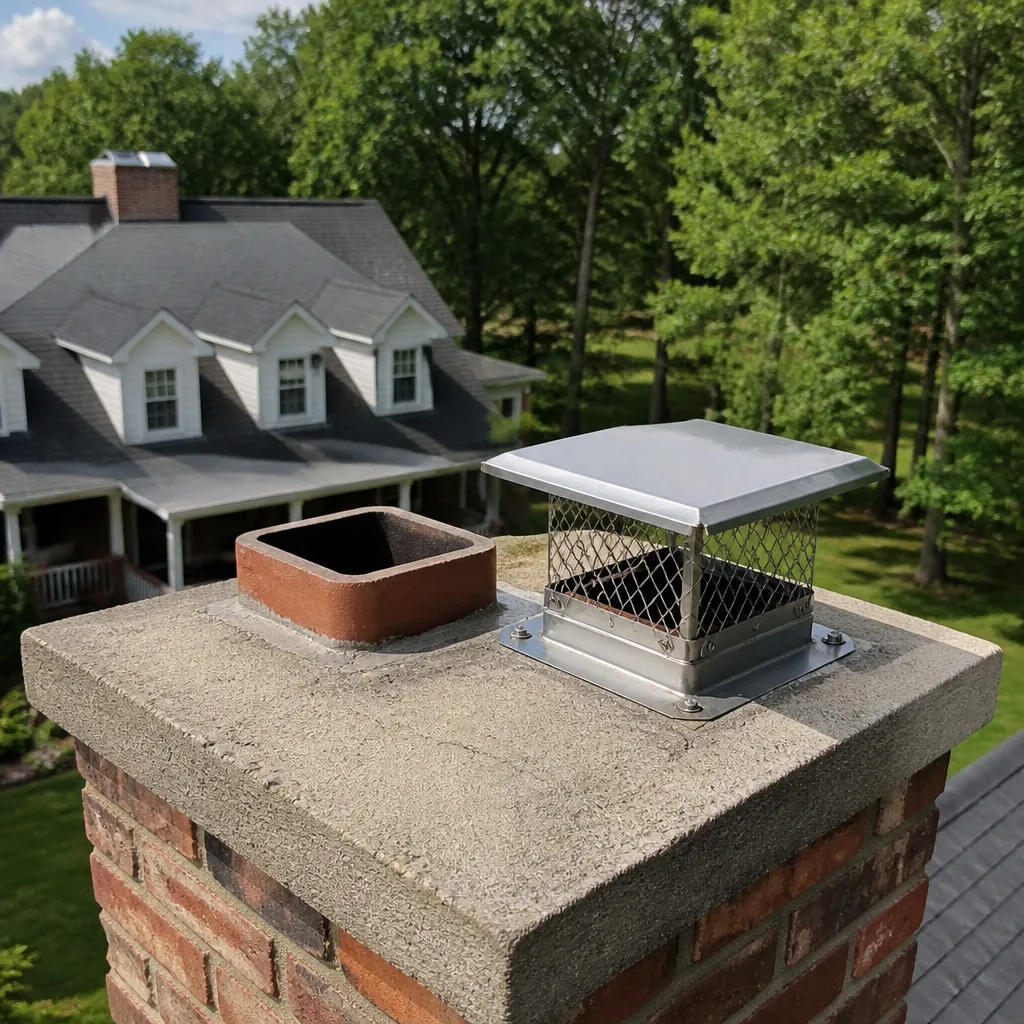 Sweep & inspection
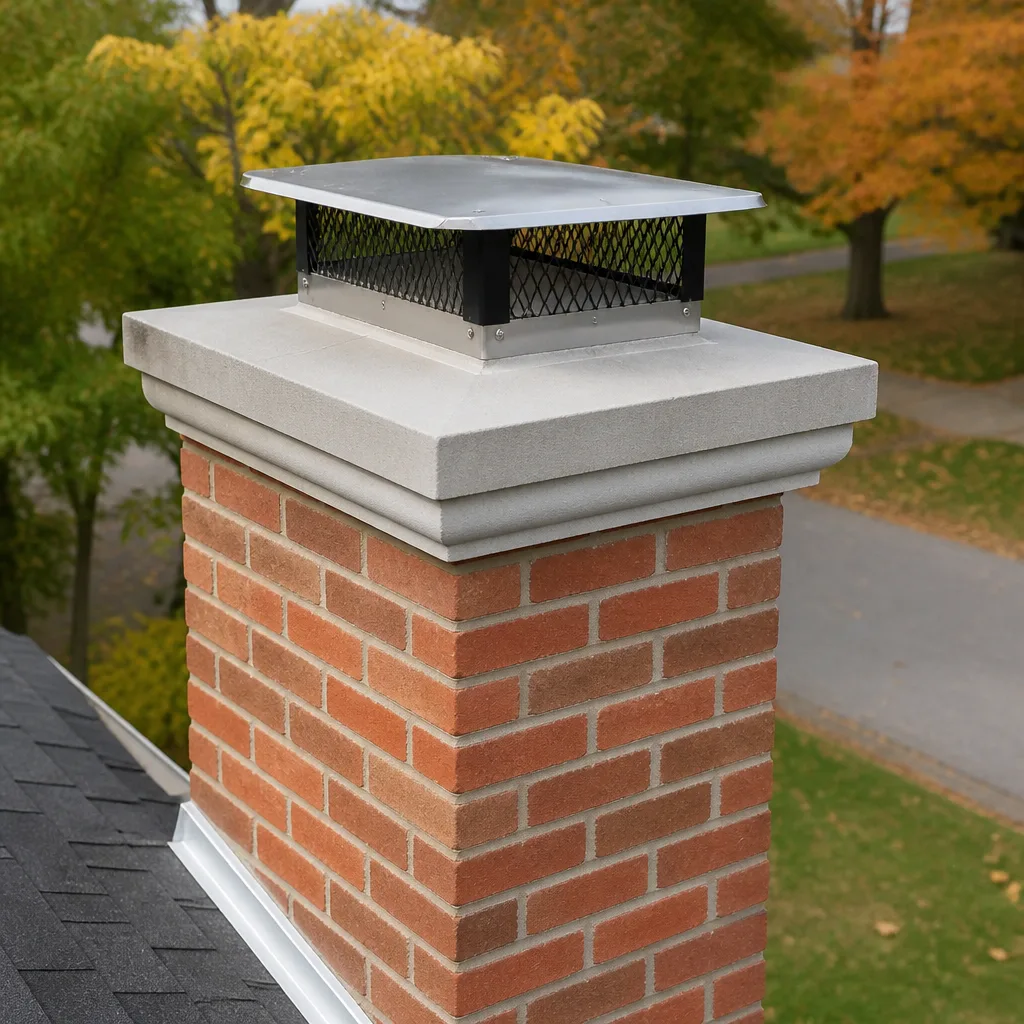 Caps & crowns
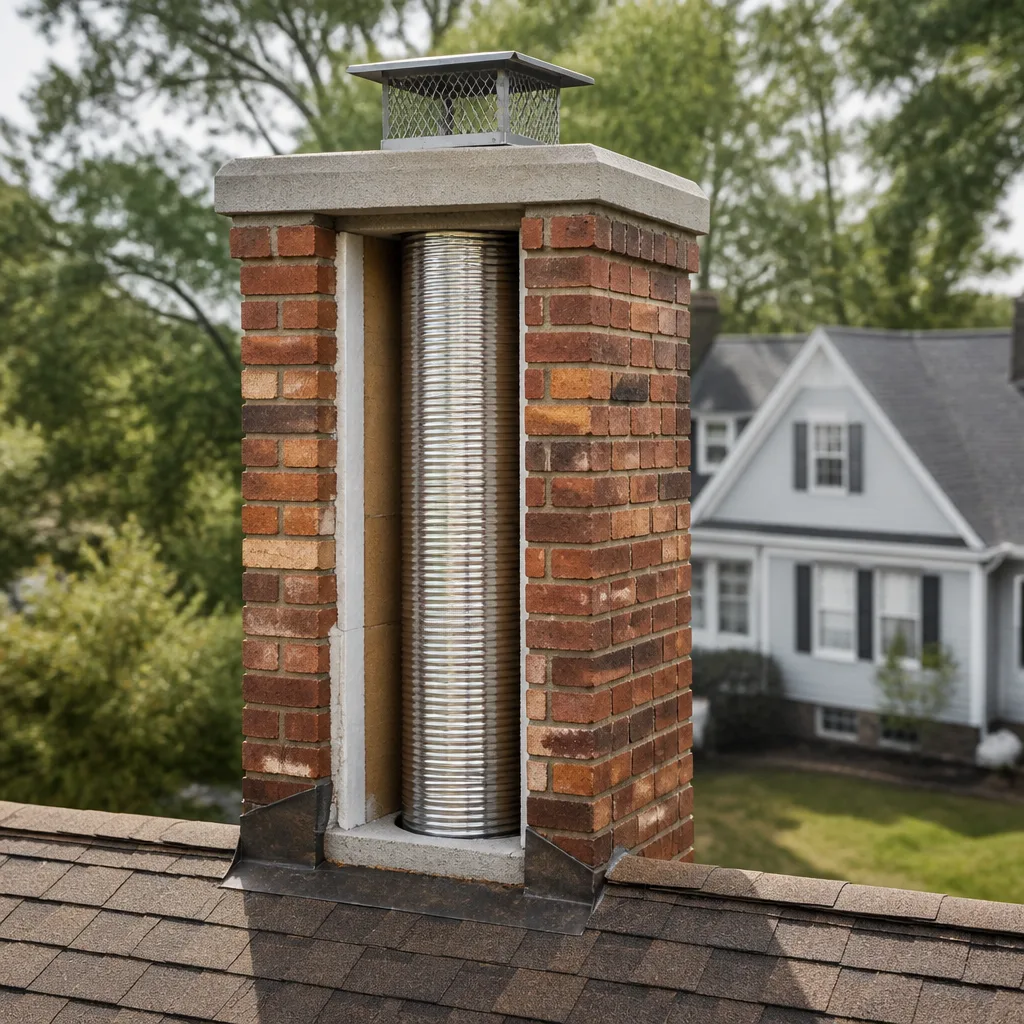 Flue relining
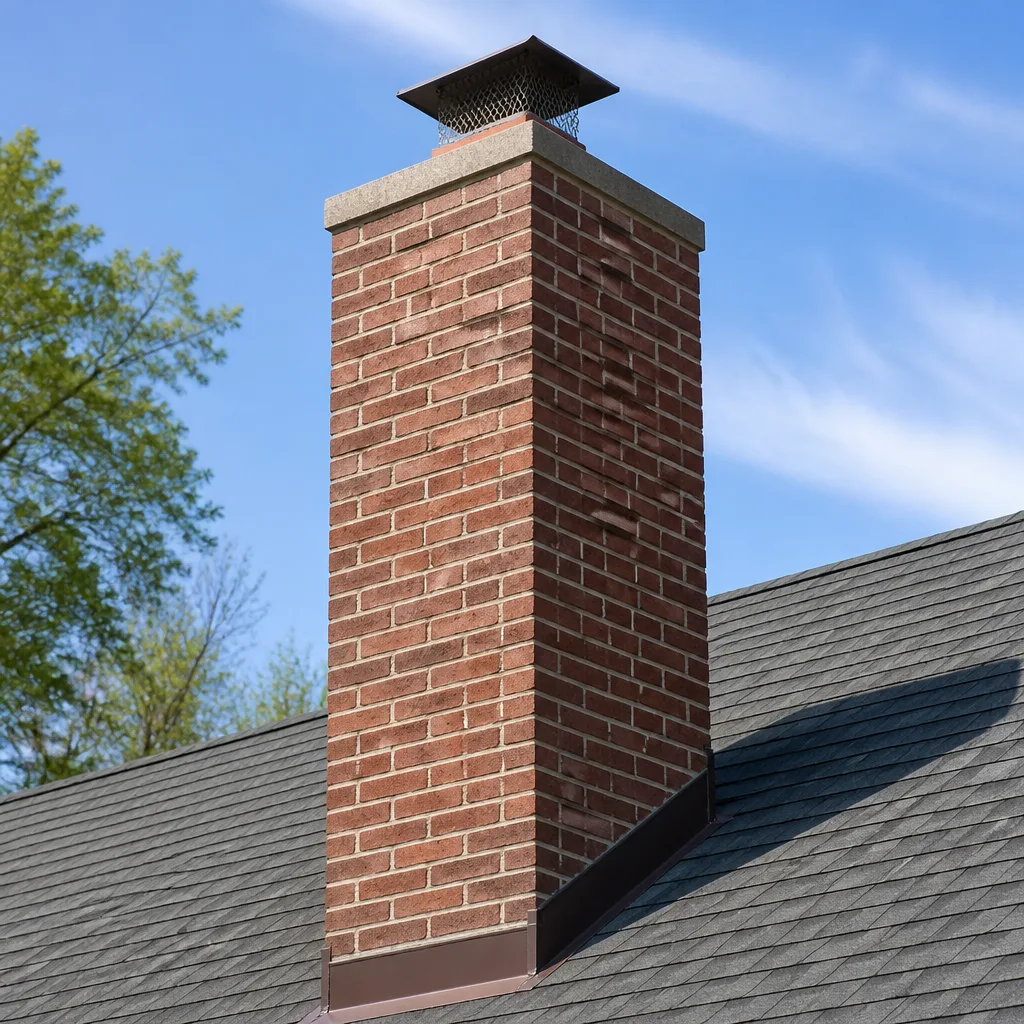 Masonry repair
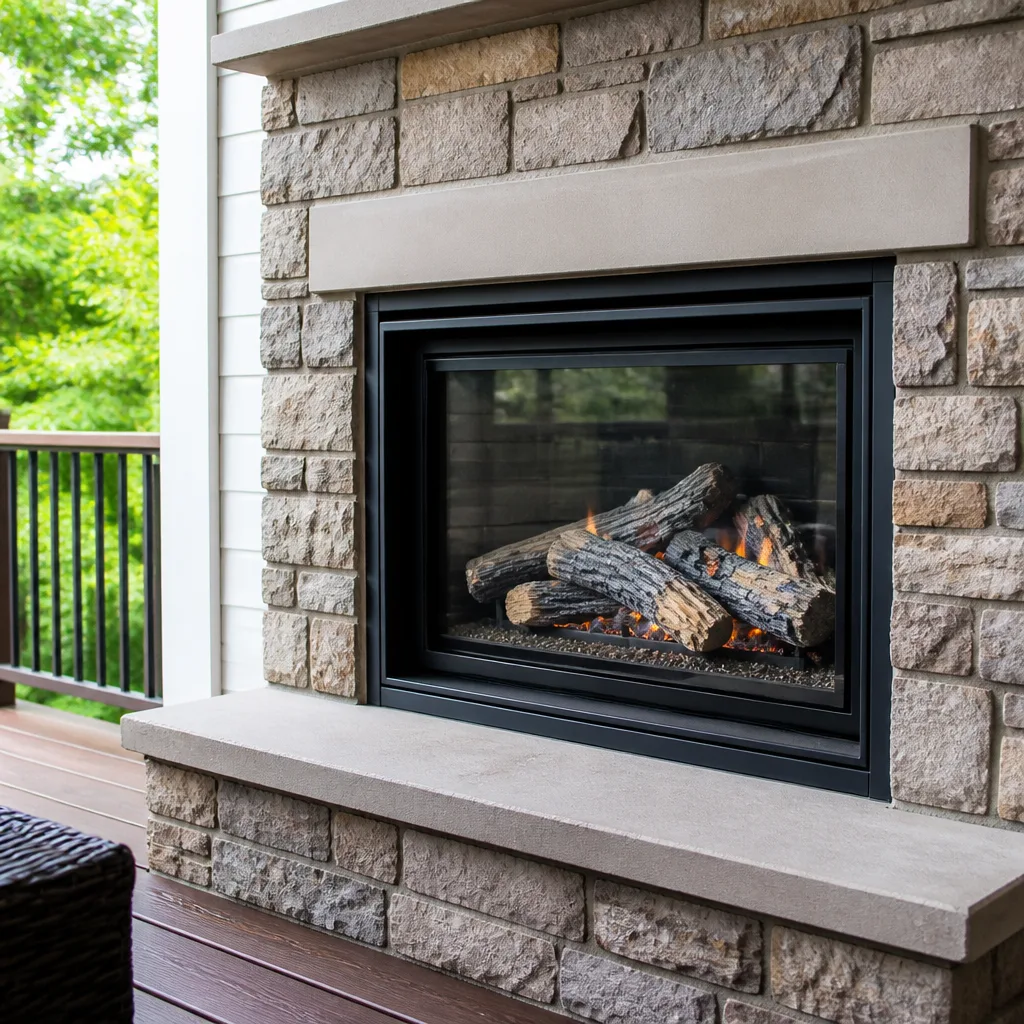 Gas fireplace service
Level 1 sweep and inspection to the NFPA 211 annual standard - flue, crown, cap, and flashing checked and photographed
Chimney sweep logs do not sweep chimneys. They loosen some creosote - which then falls where a brush and vacuum still have to collect it.
Chimney Sweep Maintenance Schedule: What to Do and When
The NFI and NFPA both recommend annual inspections, but neither accounts for the fact that a Castle Rock homeowner burning pine in a wood insert every night from October through April needs a fundamentally different schedule than someone lighting six fires all winter. That single gap is why so many chimneys get either over-serviced or dangerously neglected. The right calendar depends on what you burn, how often you burn it, and what a Colorado freeze-thaw cycle does to your masonry between seasons. This guide gives you a real, usage-tiered schedule built around how Castle Rock chimneys actually live, plus the monthly self-checks and code requirements most homeowners never hear about. By the end, you’ll know exactly what to do and when.
Quick Answer
Most Castle Rock homes should get a professional chimney inspection once a year and a sweeping whenever creosote reaches 1/8 inch of buildup, which for nightly winter burners means every cord of wood or roughly every 50 to 70 fires. Gas fireplaces still need an annual inspection even though they produce no creosote. Schedule masonry inspection in April after the last freeze and again in September before the first hard burn. Everything else in this guide is the detail behind that schedule.
Styles & brands we work with
- Sweep & inspection
- Caps & crowns
- Flue relining
- Masonry repair
- Gas fireplace service
Table of Contents
- Building a Usage-Tiered Schedule for Your Fireplace
- The Two Castle Rock Seasonal Windows for Masonry Inspection
- What to Check Yourself Every Month During Burning Season
- Gas Fireplace Maintenance Timelines
- What a Level 2 Inspection Is and When Code Requires It
- How Creosote Forms and Why It Drives Your Schedule
- Your 12-Month Castle Rock Chimney Calendar
- Structural Repair Signals You Should Never Ignore
Building a Usage-Tiered Schedule for Your Fireplace
The annual sweep advice you see everywhere is a floor, not a ceiling. How often your specific chimney actually needs professional attention depends on three variables: total fires per season, the fuel you burn, and whether the appliance is vented or sealed. Here’s how we break it down in practice.
Light use: under 30 fires per season
A Castle Rock homeowner who lights the fireplace on cold weekends, holidays, and the occasional snow day falls into this tier. Bring us in once a year for a Level 1 inspection and a sweep if the technician finds measurable buildup. If two consecutive years come back clean, you can move to inspection-only years and sweep on the third. Do not skip the annual inspection even when the fireplace barely gets used, because the chimney takes on water and animal intrusion whether or not you’ve burned anything.
Moderate use: 30 to 80 fires per season
This is a fire most evenings from November through February. Expect one professional sweep per cord of wood burned, and schedule the inspection in late summer or early fall so any masonry repairs happen before the burning season starts. A Level 2 camera inspection is smart every three years even without visible problems, because the interior flue joints can develop gaps you’d never see from the firebox.
Heavy use: 80+ fires per season or a wood insert running most nights
Nightly burning from October through April, especially with pine, means creosote accumulates fast. Bring in a certified sweep every cord, and plan on inspection twice a year: once in April after the freeze, once in September. Wood inserts and high-efficiency stoves run hotter and produce different creosote than open fireplaces, so the sweep has to check the liner and the appliance connection, not just the firebox.
- Light (under 30 fires): Annual inspection, sweep as needed
- Moderate (30-80 fires): One sweep per cord, annual inspection, Level 2 every 3 years
- Heavy (80+ fires): Sweep every cord, bi-annual inspection, Level 2 every 2 years
Whatever tier you’re in, the local pro we connect you with is licensed and insured as their state requires, and the inspection comes with a camera view and a photo report so you can see what they see. That’s how a schedule built on your actual usage stays honest.
The Two Castle Rock Seasonal Windows for Masonry Inspection
Castle Rock sits above 6,000 feet in the Palmer Divide, where the ground freezes hard, thaws, and refreezes multiple times between November and March. That freeze-thaw cycle is rough on brick, mortar, and the chimney crown. It opens hairline cracks, widens existing ones, and lets water in where it will do the most damage. Two inspection windows exist specifically because of how this climate works.
April: post-freeze masonry inspection
By April, the last hard freeze is behind you and the masonry has been through a full winter of expansion and contraction. This is when spalling brick, cracked mortar joints, and a deteriorating crown are most visible. If you find a crown crack in April, you have the entire dry season to schedule the cap and crown installation before the next winter does more damage. Moisture intrusion is the single biggest long-term threat to a Castle Rock chimney, and the crown is where it usually starts.
September: pre-season inspection
Before the first hard burn of the season, you want a sweep and inspection so the chimney is clean going in. A September visit catches what the summer revealed, checks that the flue is clear of bird nests and debris, verifies the damper opens and closes, and confirms the cap is still fastened after the summer wind and hail. Scheduling in September also gets you ahead of the October rush, when every homeowner suddenly remembers the fireplace.
- April: Post-freeze masonry inspection, crown and cap check, mortar joint review
- September: Pre-season sweep and inspection, flue and damper check, cap fastening
- Monthly, October through March: Owner self-checks (covered in the next section)
- Per cord of wood: Professional sweep at your usage tier
Two visits a year is the standard for a home burning regularly. If you burn lightly, one inspection plus a sweep handles most years, but the April masonry check is worth keeping even then, because the freeze-thaw cycle doesn’t care how often you light a fire.
What to Check Yourself Every Month During Burning Season
You don’t need tools or training to catch the problems that matter between professional visits. A five-minute check once a month during burning season, documented with a photo and the date, gives your technician a useful trail and gives you early warning on the items that tend to fail quietly.
- Cap condition: Look up at the chimney from the yard. The cap should sit flat and be firmly attached with no rust-through or missing sections. A loose cap lets water and animals in.
- Damper operation: Open and close the damper fully. It should move smoothly and close tight enough to seal. A damper that sticks open wastes heat and lets cold air down.
- Visible firebox cracks: Shine a flashlight at the firebox walls and the smoke chamber above. Hairline surface cracks in the firebrick are sometimes cosmetic, but cracks that go through the brick or open gaps in the mortar need professional eyes.
- Creosote buildup: Look up the flue with a flashlight. Black, flaky, or shiny deposits at 1/8 inch or more mean it’s time to sweep.
- Smoke behavior: Note any change in how smoke drafts up. Smoke spilling into the room, a change in draft strength, or new odors can point to a blockage or a failing liner.
- Water stains: Check the firebox and the ceiling near the chimney for new stains or efflorescence (white chalky deposits). Both point to moisture intrusion.
Keep photos in a phone folder labeled by month. When the technician comes out, they can compare what they find with what you saw. It’s a small habit that makes the professional’s job more precise and turns “trust me, you need this” into a conversation you can actually follow.
Gas Fireplace Maintenance Timelines
The most common misconception we hear in Castle Rock is that a gas fireplace needs no chimney upkeep because it produces no creosote. True, there’s no wood smoke, but gas appliances vent combustion byproducts through the same flue, and those byproducts can condense on the liner and produce a mildly acidic moisture that attacks masonry and metal over time. A sealed gas insert vents differently than a gas log set, and each has its own schedule.
- Annual inspection (both types): Check the vent, the termination, and the appliance connection. Confirm no blockage from bird nests or debris.
- Annual cleaning (gas log sets): The logs, burner, and ceramic coals collect dust and pet hair that affect flame quality. Cleaning is best done by a professional.
- Every two to three years (gas inserts): The vent and liner interior get checked for condensation damage and the appliance gets a service check. Sealed inserts often need less frequent internal cleaning than open logs.
- Any time: If you smell gas, stop. That’s a call to your gas utility first, then a technician.
Gas fireplaces also get a Level 1 inspection once a year as part of the same visit that handles a wood appliance in a home with both. It’s efficient and it keeps the whole system on one calendar. The technician will look at the termination cap, the vent, and the firebox condition on the same trip.
What a Level 2 Inspection Is and When Code Requires It
A Level 2 inspection is a camera-based look at the entire interior of the flue and the accessible parts of the chimney structure, not just a visual check from the firebox. NFPA 211 requires one under specific circumstances, and it’s the level that catches the liner gaps and hidden cracks a Level 1 cannot see. Castle Rock homes come with the same conditions that trigger it.
What it involves
The technician runs a video camera down the flue and photographs every joint, offset, and connection. They check the firebox, smoke chamber, damper, flue liner, and the chimney exterior for cracks and deterioration. The result is a written report with photos, and it’s the difference between “the chimney looks okay from here” and “we know exactly what’s inside it.”
When code requires it (not just recommends)
- Before or after a real estate transaction: A Level 2 inspection is standard for a home sale because the new owner has no history with the chimney.
- After any chimney or flue event: A chimney fire, a lightning strike, an earthquake, or a sudden draft problem all warrant a Level 2 before the appliance is used again.
- After a change in fuel or appliance: Switching from wood to gas, replacing an insert, or converting a wood-burning fireplace requires a Level 2 to confirm the vent is appropriate.
- After any known damage: If you’ve seen a crack, water intrusion, or a cap failure, the camera confirms the extent before repairs are scheduled.
Outside those triggers, a Level 2 every few years makes sense for homes in the moderate and heavy usage tiers. It’s also the inspection that precedes a HeatShield liner restoration or a DuraFlex liner install if the sweep finds the existing flue has failed.
How Creosote Forms and Why It Drives Your Schedule
Creosote is the residue of incomplete combustion. When wood burns, the gases that carry heat up the flue also carry unburned particles, and those particles condense on the cooler surfaces of the flue on the way out. The result is creosote, and it comes in three forms that behave very differently.
- Stage 1 – soot and flaky creosote: The most common form. Dark, flaky, and easy to sweep off. This is what a routine sweep handles.
- Stage 2 – crusty creosote: Brittle and harder to remove. Needs more aggressive sweeping, and sometimes a chemical treatment to break it down.
- Stage 3 – glazed creosote: Shiny, hard, and the most dangerous. It’s the fuel for chimney fires, and it’s difficult to remove without professional-grade equipment.
The schedule exists to keep you out of Stage 3. Pine, the wood most Castle Rock homeowners burn because it’s the local fuel, produces creosote quickly because of its resin content. A cool, slow-burning fire produces more creosote than a hot one. That’s why the “one sweep per cord” rule applies to nightly burners and why the 1/8-inch threshold is the one to check against, not a calendar guess.
If your sweep finds glazed creosote, the fix isn’t a more aggressive sweep. It’s a professional-grade treatment followed by a liner inspection, and if the liner is compromised, a HeatShield ceramic restoration or a DuraFlex reline is the repair-minded path. That’s why we inspect before we leave: what the camera finds determines what the schedule should look like next year.
Your 12-Month Castle Rock Chimney Calendar
Here’s the full year laid out as a working calendar. Print it, screenshot it, or stick it to the inside of the pantry door where your firewood lives. It’s built for a home burning at least occasionally, with the heavy-user adjustments noted.
- January-February: Monthly self-checks. Watch for ice dams near the chimney and any change in draft. Schedule a mid-season sweep if you’re a nightly burner.
- March: Last fires of the season. Note any masonry issue you can see from the ground before the last freeze passes.
- April: Post-freeze masonry inspection. This is the crown, cap, and mortar check. Schedule repair work if anything has opened up.
- May: Repairs and cap work. If the April visit found a crown crack or a failing cap, get it handled now while the weather is dry and the schedule is open.
- June-July: Interior work window. Liners, firebox repairs, and smoke chamber work all happen more easily in summer. This is when HeatShield restorations usually get scheduled.
- August: Book the pre-season inspection if you haven’t. The September schedule fills fast in Castle Rock.
- September: Pre-season sweep and inspection. Flue clear, damper working, cap fastened. You’re ready for the first hard burn.
- October-December: Burning season. Monthly self-checks, one sweep per cord, and a call to a professional if anything changes in how the fire draws or smells.
Heavy burners should add a second sweep in January or February. Light and moderate users can fold the spring repair work into the fall visit if nothing came up in April. The point is not to follow the calendar rigidly; it’s to have a plan you can adapt without losing the two non-negotiables, which are the annual inspection and the sweep per cord.
Structural Repair Signals You Should Never Ignore
Chimney repair is often framed as a big, vague, expensive unknown, which is exactly what makes homeowners hesitant to ask. In practice, the repair signals are specific and visible. Here’s what we look for, and what should make you pick up the phone.
- Cracked or spalling brick: Brick faces that flake off or break away are spalling. It’s usually water damage, and it gets worse every freeze.
- Deteriorated mortar joints: Recessed or crumbling mortar between bricks means the chimney structure is losing its grip. Repointing is the repair, and it’s much smaller if done before the brick fails.
- Crown cracking: The crown is the concrete or mortar cap on top. Cracks let water in, and water is the root cause of most chimney deterioration.
- Rust on the firebox or damper: Rust means moisture is getting in from somewhere. The technician finds the source, not just the symptom.
- White chalky stains (efflorescence): Water is moving through the masonry and leaving salt deposits. Ignore it and the masonry starts to break down.
- Liner gaps or crumbling flue tile: The camera catches these. They’re the reason a sweep that skips inspection leaves the most dangerous problems hidden.
Many of these repairs are smaller than homeowners fear at the moment the technician names them. A crown crack repaired in April is a sealant or recast job. Left through two winters, it’s a structural repair. Asking is the cheaper option, every time.
Common Mistakes to Avoid
- Skipping inspection because the fireplace is clean. A clean firebox says nothing about the flue liner, the crown, or the smoke chamber. We inspect before we leave because cleanliness and structural health are separate questions.
- Treating the annual sweep as a substitute for inspection. Sweeping removes creosote; inspection finds the cracks, gaps, and moisture problems that cause fires and carbon monoxide risk. You need both, and they’re a package.
- Assuming gas means no maintenance. Gas still vents combustion byproducts through the flue, and those byproducts can attack the liner over time. An annual inspection catches it before it becomes a repair.
- Waiting for spring to deal with a fall problem. If the September inspection finds a cap issue or a draft problem, handle it before the first burn, not after a winter of burning through a failing system.
- Ignoring the April masonry window. In Castle Rock, freeze-thaw damage is the biggest structural threat, and April is when it’s most visible. Postponing it means the damage gets a full summer to widen before the next winter hits.
- Buying a cap or crown repair without a moisture diagnosis. A cap that doesn’t seal at the right place, or a crown patched without fixing the source of the water, will fail again. Materials matter, and so does the source diagnosis.
- Letting a low bid skip the camera. A sweep with no inspection and no photo report is a vacuum visit, not maintenance. You can’t verify what wasn’t checked, and you can’t trust a recommendation you can’t see.
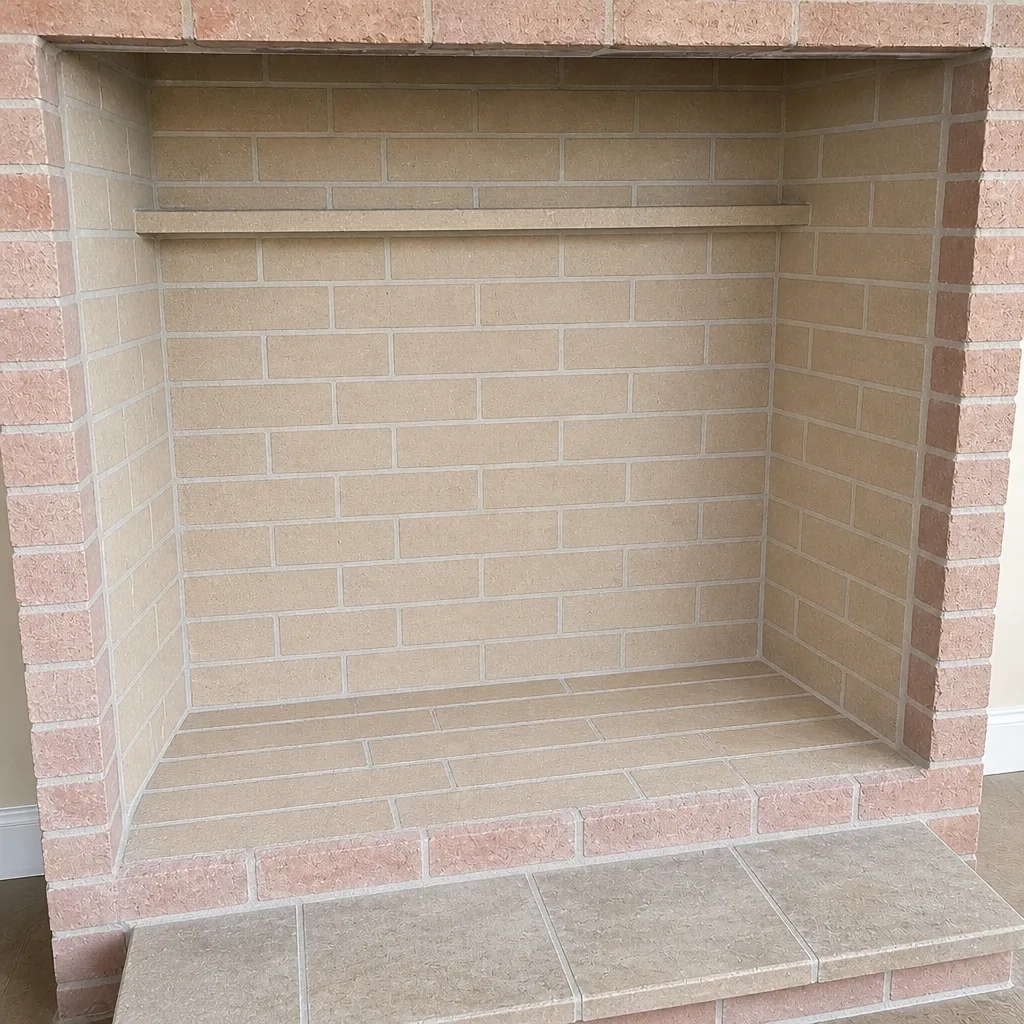
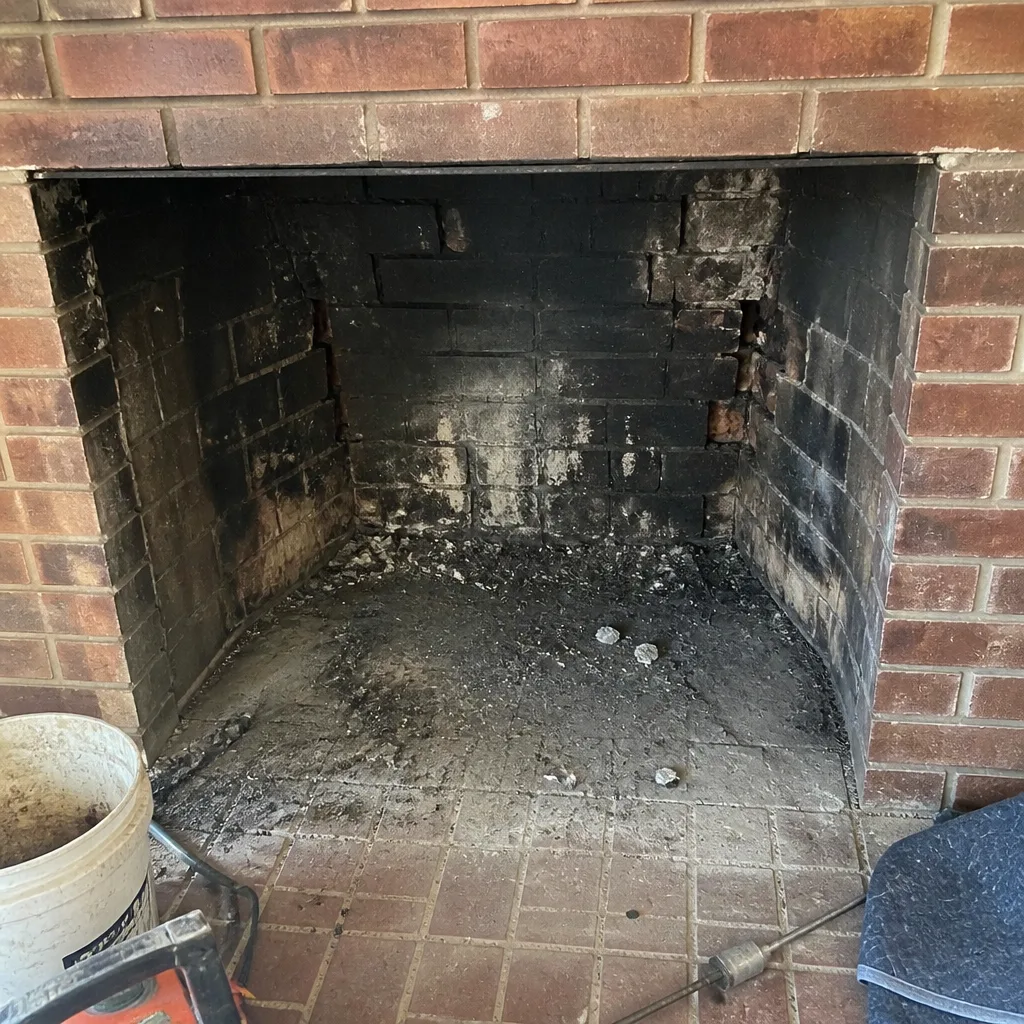
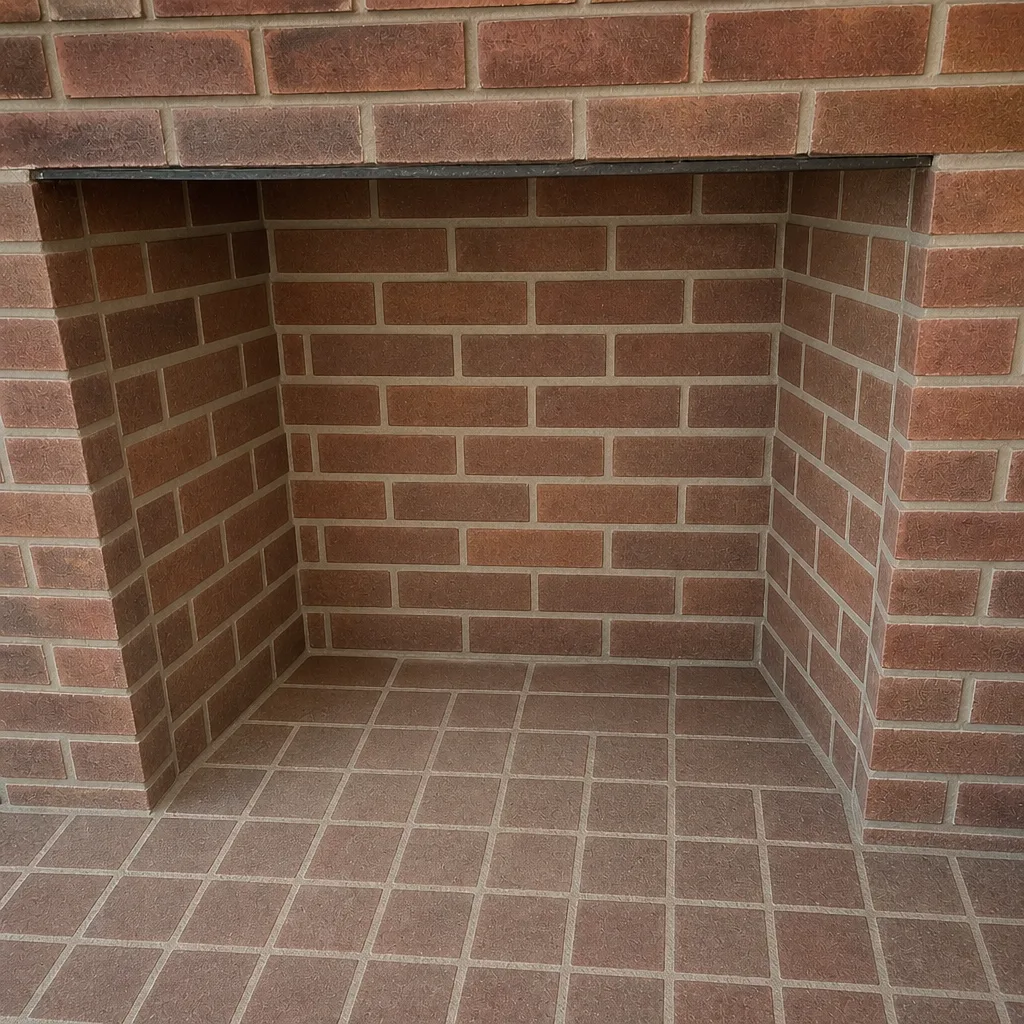
See the difference
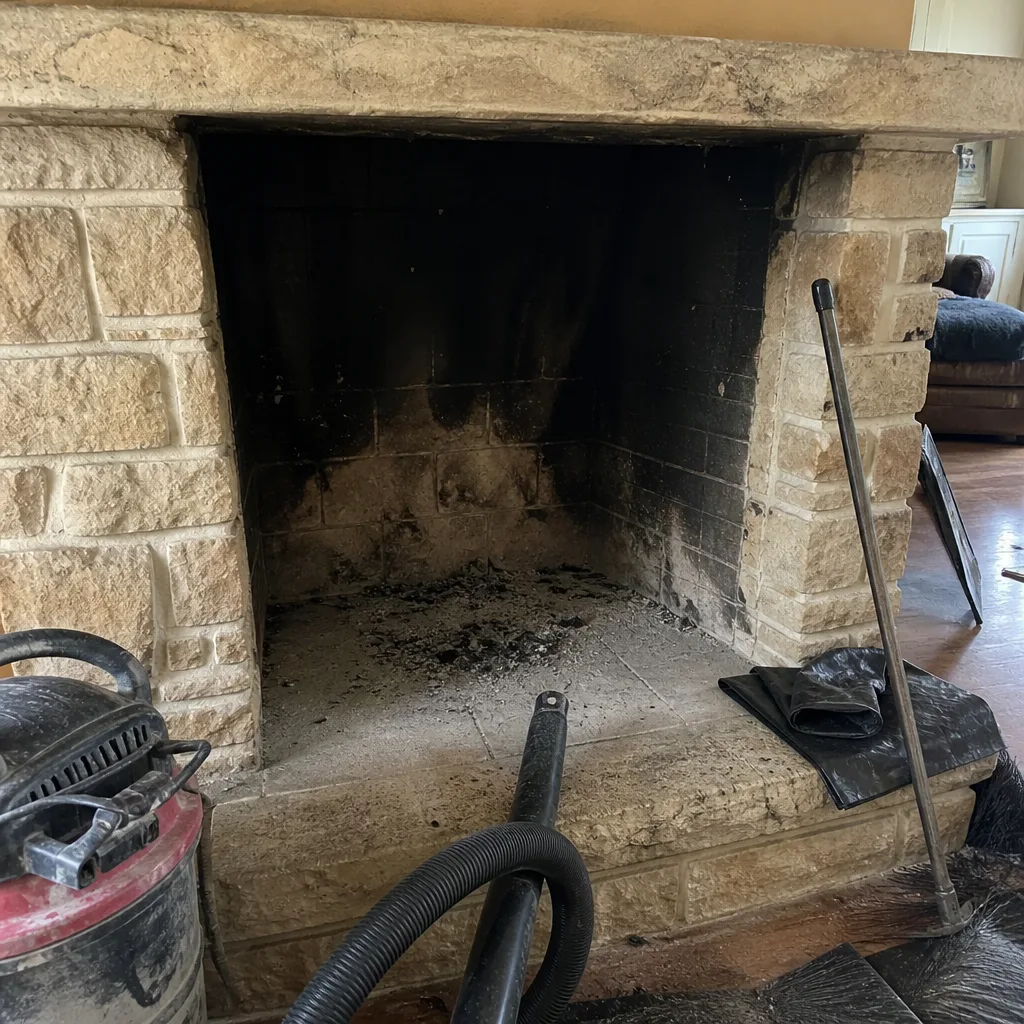 Before
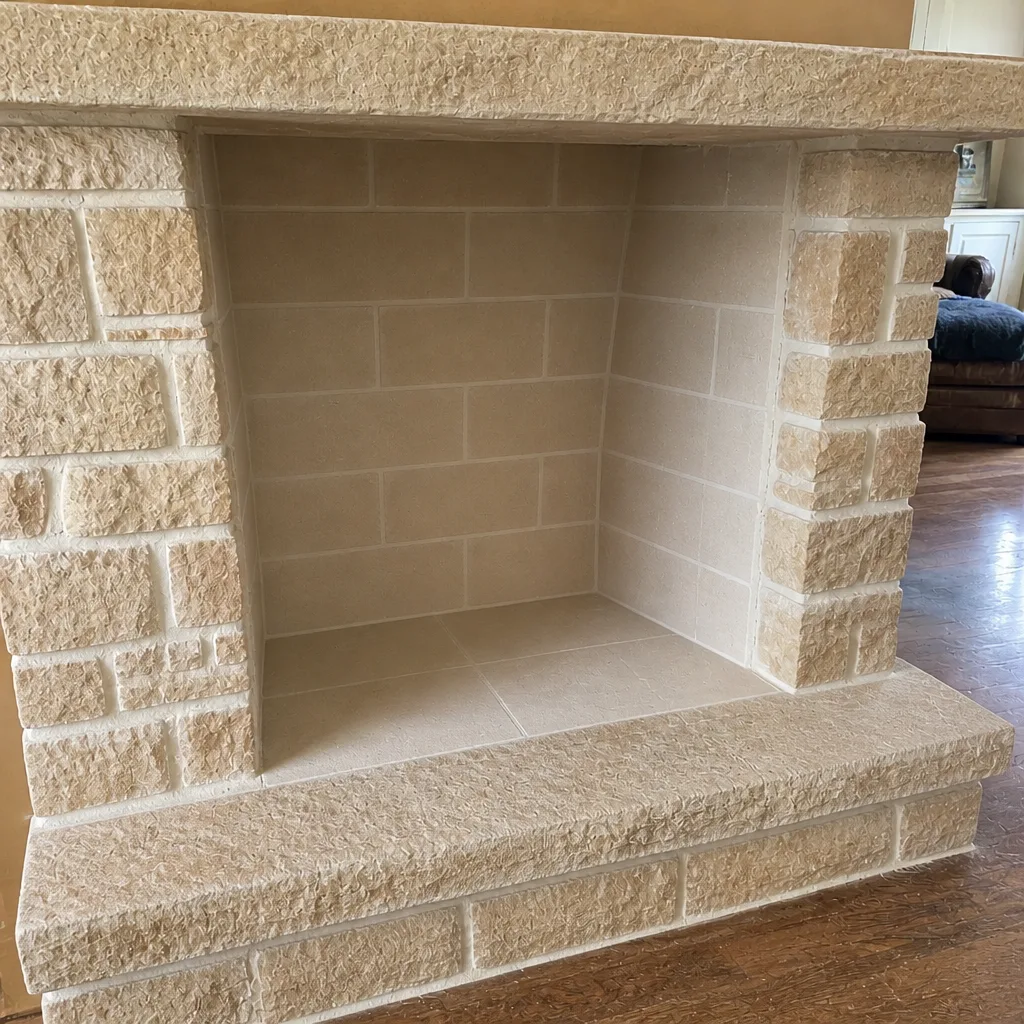 After
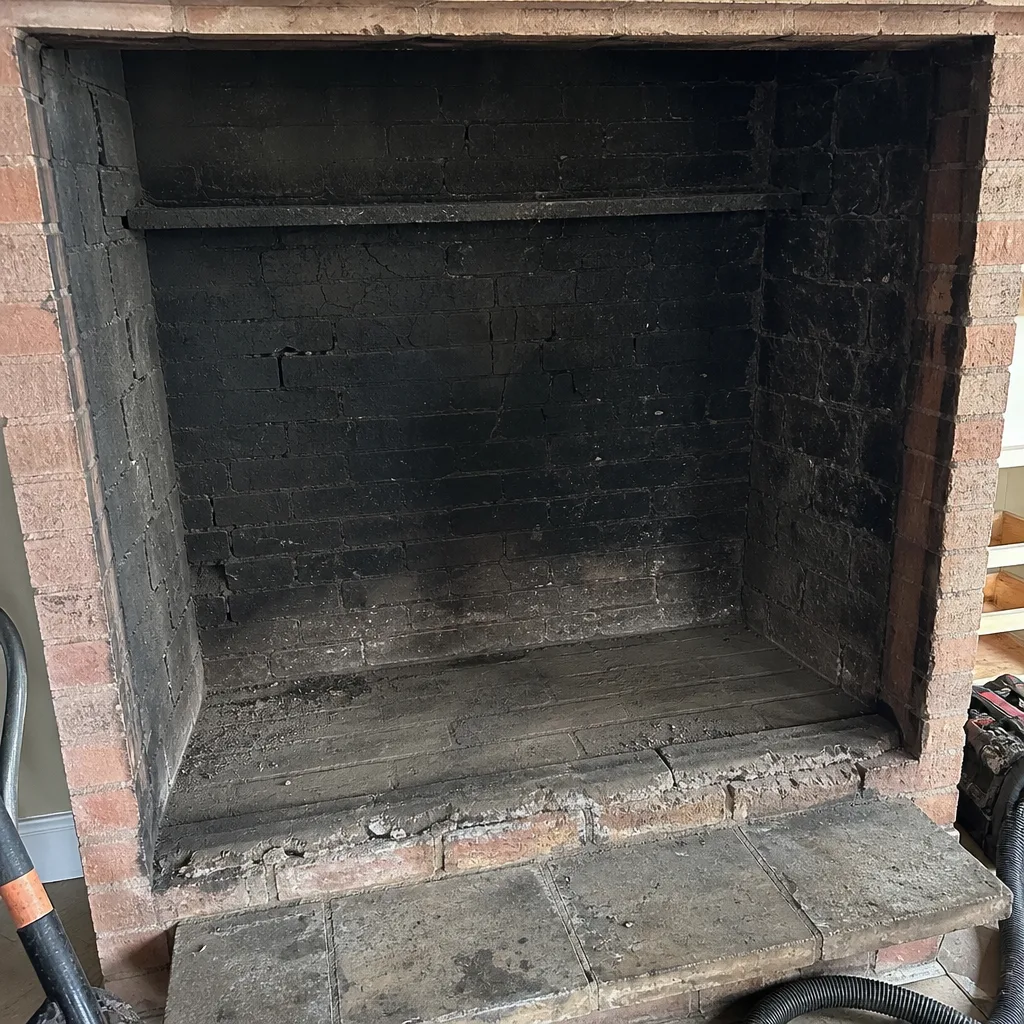 Before
 After
 Before
 After
When to Call a Professional
Some of this schedule you can handle yourself, and some of it you shouldn’t. Call a professional when the fire draws differently than it did last season, when you see a cracked crown or spalling brick, when you find glazed creosote at 1/8 inch or more, when you smell gas or notice soot coming back into the room, or when you’re in your first year in a new home and have no history with the chimney. Any chimney fire, even one you only suspect, warrants a Level 2 inspection before the fireplace is used again, because the damage happens inside where you can’t see it. Same reasoning applies if a cap came loose, an animal got in, or a summer storm knocked mortar off the chimney top.
Castle Rock Chimney Sweep offers free estimates in Castle Rock. Call (844) 883-7423. We answer 24/7. Fast dispatch from 7am to 7pm, Sunday through Friday. The written estimate sets the final price, and you see the camera evidence before any work is recommended.
Frequently Asked Questions
Most Castle Rock chimneys should be swept about once per cord of wood burned, or whenever creosote reaches 1/8 inch of buildup. Light users (under 30 fires a season) often get away with an annual inspection plus a sweep as needed, while nightly burners who go through several cords need a sweep at every cord. Call (844) 883-7423 for an estimate and we’ll help you set a realistic schedule for your usage tier.
Yes. The chimney takes on water, animal intrusion, and freeze-thaw damage whether or not you’ve burned anything, and an annual inspection is the only way to catch those in time. The annual inspection is the floor of the maintenance schedule, and skipping it is how a small repair becomes a structural one. Call (844) 883-7423 and the written estimate is free.
Yes. Gas fireplaces produce no creosote, but they vent combustion byproducts through the flue, and those byproducts can condense on the liner and attack masonry and metal over time. An annual inspection catches the condensation damage and any vent blockage before it becomes a repair. Call (844) 883-7423 for a gas fireplace inspection and free estimate.
A Level 2 inspection is required by NFPA 211 after a real estate transaction, after any chimney fire or flue event, after a change in fuel or appliance, and after any known damage. A camera view of the full flue is the reason, since it catches liner gaps and hidden cracks a Level 1 can’t see. Call (844) 883-7423 if any of those apply and we’ll book a Level 2 with a photo report.
Creosote builds up inside the flue, and once it reaches Stage 3 (glazed), it becomes the fuel for a chimney fire. The added risk is a blocked or restricted flue pushing carbon monoxide back into the room. Neither is a scare tactic; both are the documented outcome of burning through a dirty flue. Call (844) 883-7423 to book a sweep before the buildup gets ahead of you.
Yes, and that’s how Castle Rock Chimney Sweep is set up. Inspection findings can be repaired by the same team, using professional-grade materials like DuraFlex liners, HeatShield ceramic restoration, and Gelco caps. That means no referral runaround and no gap between the person who found the problem and the person who fixes it. Call (844) 883-7423 for a free estimate.
The Bottom Line
The right chimney schedule is built around your actual fuel, your actual burn rate, and the Colorado freeze-thaw cycle, not a generic annual reminder. Once a year is the floor: an inspection every year, a sweep per cord at your usage tier, an April post-freeze masonry check, and a September pre-season visit before the first hard burn. Gas fireplaces get an annual inspection too. Monthly self-checks during burning season catch the rest. What matters most is that every visit includes an inspection with camera evidence, so you can see what the technician sees and decide what’s worth repairing now and what can safely wait. That’s the whole point of a maintenance schedule, and it’s how a Castle Rock chimney stays structurally sound for the long haul.
Castle Rock Chimney Sweep handles the full chimney system: a chimney sweep, inspection with photo report, fireplace repair, chimney repair, and cap and crown installation, all under one provider. If you’re ready to put a real calendar together for your chimney, call (844) 883-7423 for a free estimate. We answer 24/7. Fast dispatch from 7am to 7pm, Sunday through Friday. Learn more about Castle Rock Chimney Sweep and the full range of services we connect you with.
Written by the team at Castle Rock Chimney Sweep.