

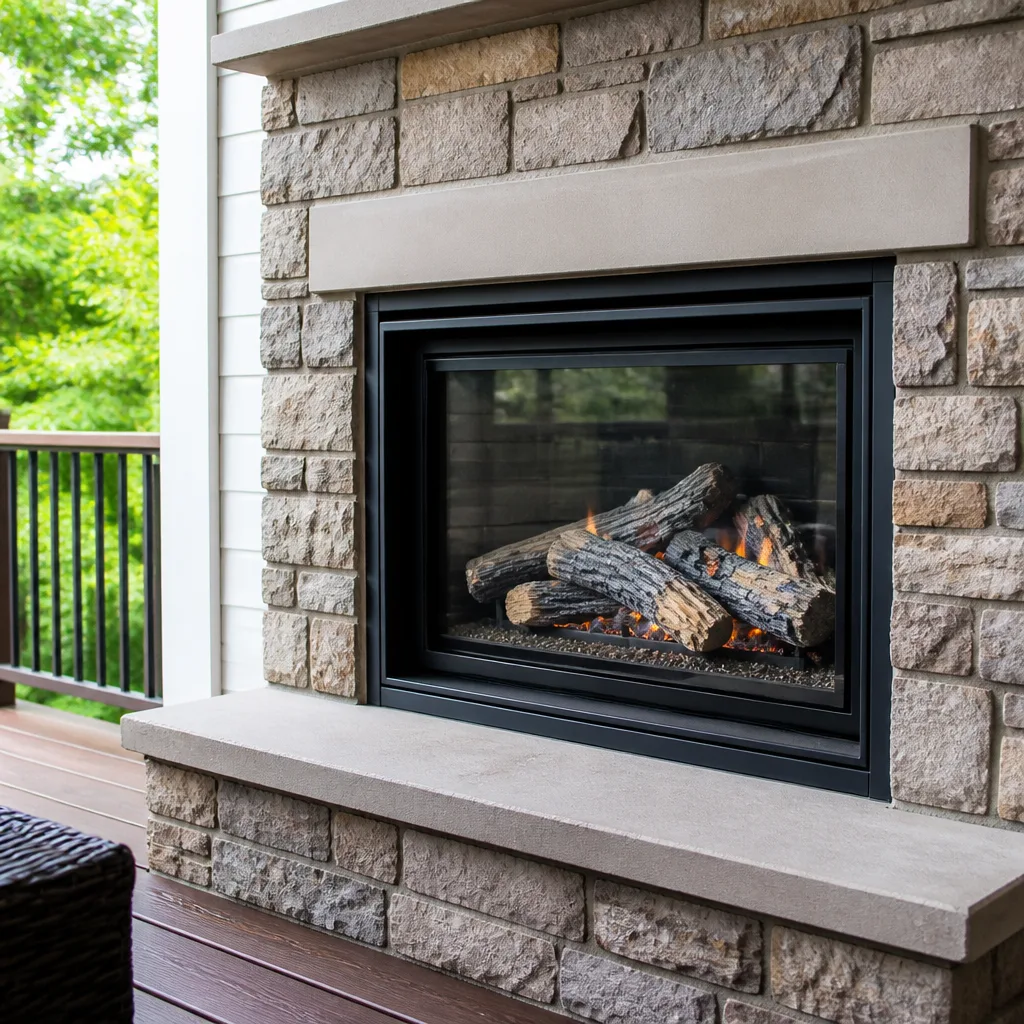
 Gas fireplace service
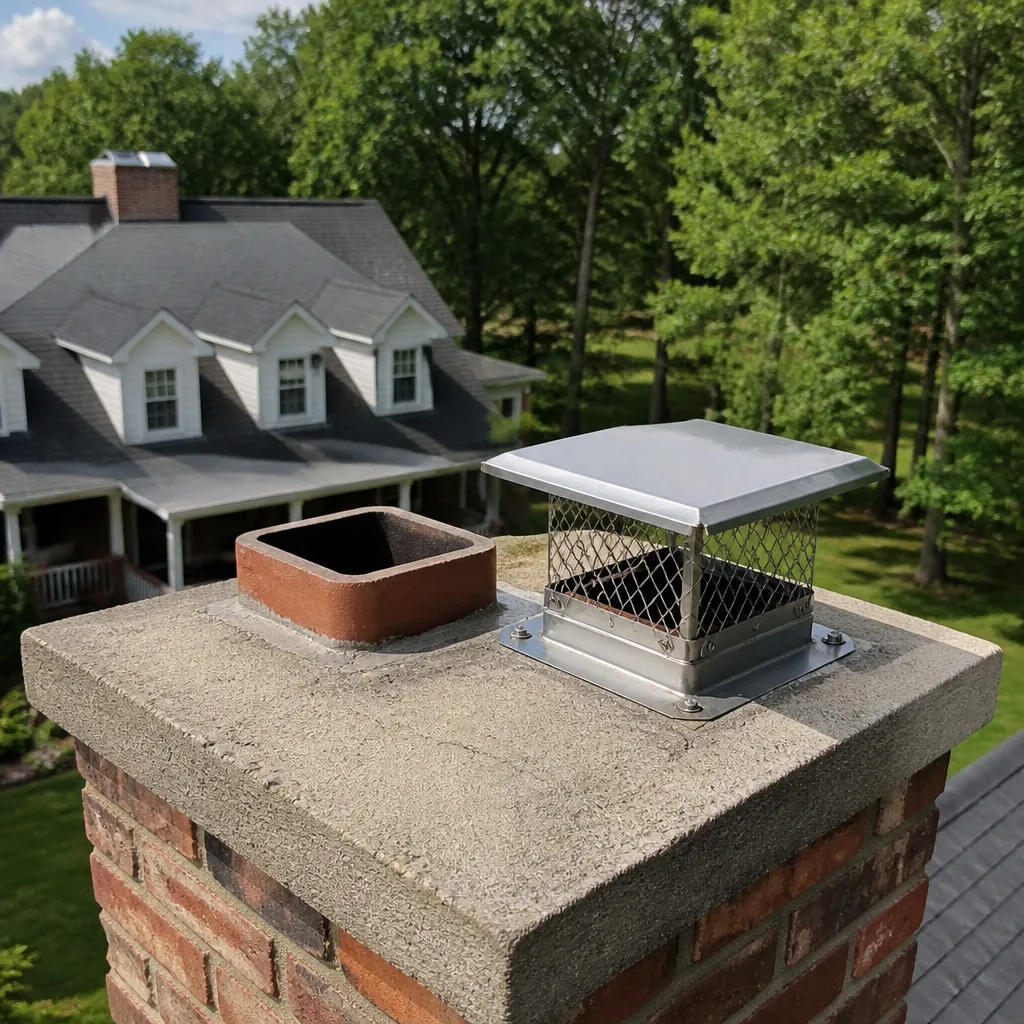 Sweep & inspection
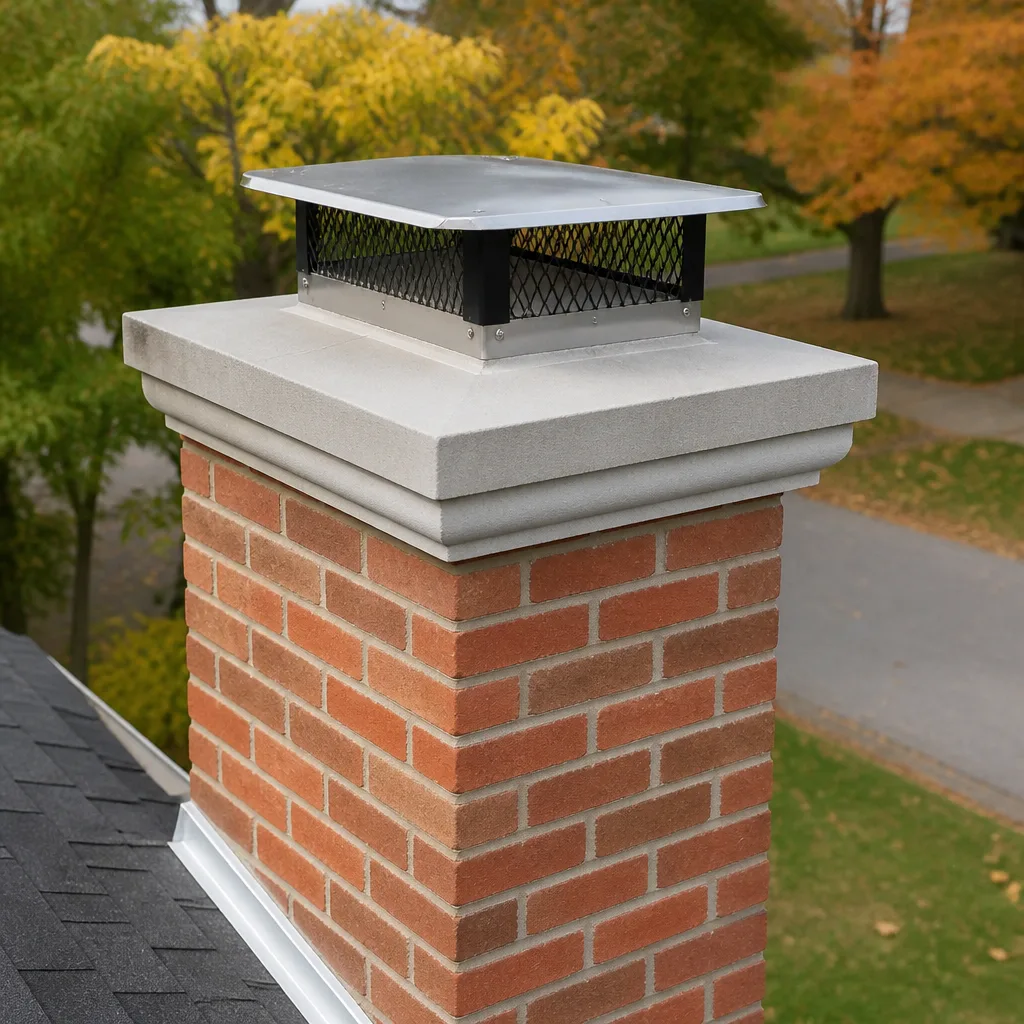 Caps & crowns
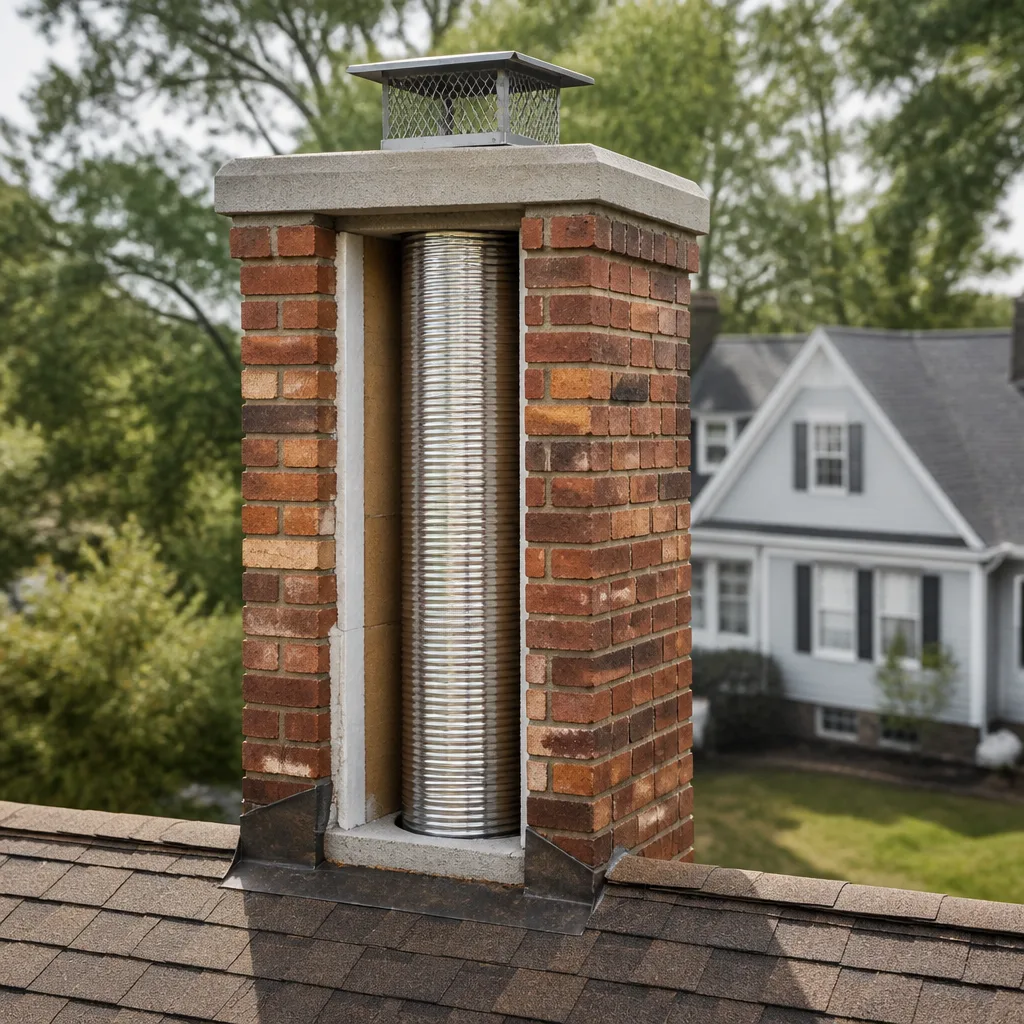 Flue relining
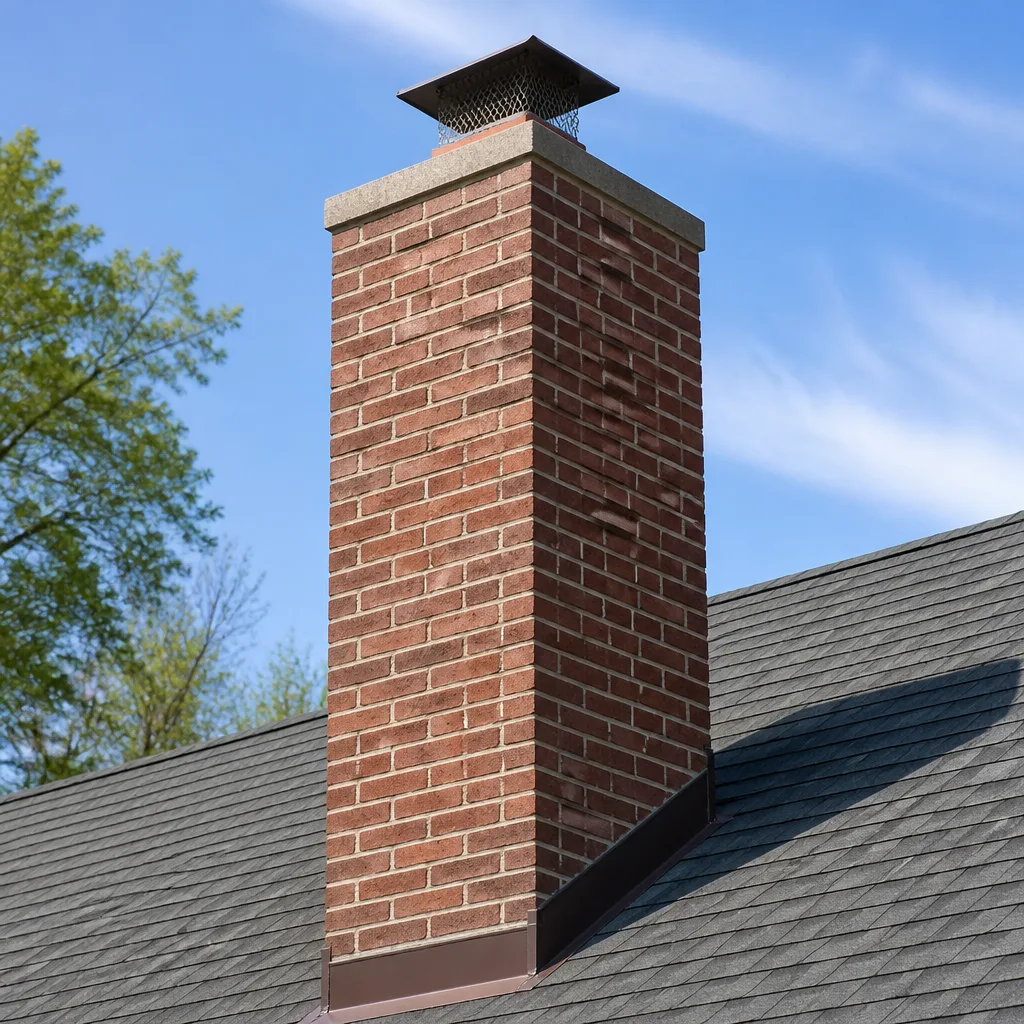 Masonry repair
Level 1 sweep and inspection to the NFPA 211 annual standard - flue, crown, cap, and flashing checked and photographed
Chimney sweep logs do not sweep chimneys. They loosen some creosote - which then falls where a brush and vacuum still have to collect it.
Why Castle Rock Homeowners Choose HeatShield Chimney Cleaning
We provide independent HeatShield chimney cleaning service in Castle Rock, and what sets our HeatShield work apart is that we inspect the lining condition before we clean it. HeatShield is a flue resurfacing product, a cast-in-place system applied to the inside of a chimney flue to restore a smooth, protected surface. That means the lining itself has to be read before a brush ever goes up the flue. We’re an independent HeatShield service provider, not affiliated with or authorized by HeatShield, and we tell you that up front because it matters for how we work.
Castle Rock chimneys live under conditions that test a lining harder than most Front Range towns. Call (844) 883-7423 to book an inspection and we’ll show you what the lining actually looks like.
Why Trust Castle Rock Chimney Sweep for Your HeatShield Chimney Cleaning?
Our technicians have up to 8 years of experience, and a good share of that time has been spent on HeatShield-lined flues in Castle Rock and the surrounding Front Range. HeatShield isn’t a product you learn from a brochure. It’s a poured or sprayed refractory surface, and the way it wears tells you things a plain visual sweep won’t: how it cured, whether it was keyed properly at the top, whether water is getting behind it.
We work with quality parts that fit HeatShield equipment. We don’t claim to stock genuine HeatShield materials or to be a HeatShield dealer, and we’re not factory-trained or certified by the manufacturer. What we are is an independent shop that has handled enough failed and ailing linings to know which flue conditions call for the cast-in-place formula versus a stainless alternative, and to recommend neither without looking first. Our brushes and tools are chosen to work the HeatShield surface without abrading it, which protects the lining you paid to have installed.
When it comes to warranty-safe service, the principle is simple. Cleaning a sound HeatShield lining the right way doesn’t threaten it. Grinding a failed one with the wrong tool or patching it with generic refractory cement does. We keep the difference clear. Call (844) 883-7423 if you want a second opinion on a lining another company installed.
Styles & brands we work with
- Sweep & inspection
- Caps & crowns
- Flue relining
- Masonry repair
- Gas fireplace service
Common HeatShield Chimney Cleaning Problems We Fix in Castle Rock
HeatShield linings are durable, but they’re not immune to the specific pressures a Castle Rock chimney faces. Here are the failures we see most often, and the reason each happens.
- Delamination or separation from the flue wall. When a flue wasn’t properly cleaned and primed before the HeatShield application, the mortar doesn’t bond to the original tile. Over a few seasons the lining lifts and pulls away, and once it separates, it no longer seals the flue or protects the masonry behind it.
- Cracking at the crown-to-flue transition. This is a Castle Rock signature. The pour has to be keyed into a sound masonry crown, and at 6,200 feet the freeze-thaw cycling is relentless. If the crown was already compromised when the lining went in, the joint cracks and moisture finds the seam.
- Lining applied over active water intrusion. A HeatShield pour over a flue that’s already taking water never cures correctly. The mortar softens and spalls within a few heating seasons, and the lining that was supposed to last starts failing almost immediately.
- Improper sizing on offset or ovalized flues. A HeatShield pour over a flue with an offset or an irregular cross-section can leave an uneven surface. Creosote clings to the rough spots, and the next cleaning cycle arrives faster than it should.
- Glaze buildup on a sound lining that just needs better cleaning. Sometimes the lining is fine and the problem is a glazed creosote layer the previous sweep couldn’t remove. Glaze is a fire hazard, and it takes the right chemical treatment and the right brush to lift it without scarring the HeatShield surface.
None of those five outcomes is unusual in Castle Rock. The wind funneling through the Palmer Divide gap and the heavier upslope snow than Denver or Colorado Springs sees both put more stress on an exterior chimney than most homeowners expect.
A typical HeatShield job, start to finish
Here’s how this kind of call usually goes. A homeowner with a HeatShield-lined flue calls because the fireplace smells smoky on damp days and the annual sweep keeps pulling out more creosote than it used to. A Level 2 inspection typically reveals that the lining was poured over a flue that had residual glaze or a compromised crown, so moisture is wicking behind the HeatShield surface and roughening it. A qualified sweep documents the lining condition with photos, recommends crown repair or re-flashing before any re-lining, and cleans the flue with poly brushes suited to the HeatShield surface so the lining isn’t abraded. That sequence is the whole game. Diagnosis first, moisture repair second, cleaning and re-lining last.
HeatShield Parts & Our Repair-vs-Replace Approach
HeatShield linings are proprietary cast-in-place systems. There’s no meaningful aftermarket equivalent, so any repair or re-lining uses genuine HeatShield materials applied by a sweep trained on the product. When a HeatShield lining is sound, the honest call is to clean and maintain it. When it’s failed at the crown, at the joints, or because of water damage, spot re-lining or a full re-pour is the realistic path, not patching the surface with generic refractory cement. That patch looks fine for a season and then fails worse than the original problem.
Our decision comes down to three questions: is the lining bonded to the flue wall, is water still getting to it, and is the surface even enough to clean effectively. Two yeses and a no on the third means maintain it. Otherwise we’re re-lining, and we’ll show you the photos that led there. Call (844) 883-7423 for a free estimate and a straight read on which path you’re on.
Our HeatShield Service Process – Step by Step
- 1
Diagnosis. We start with a Level 2 inspection, camera and all, and confirm the lining’s bond, its cure, and the condition of the crown and flashing above it. In Castle Rock, that crown inspection is where most of the real answers are.
- 2
Repair or install. If the lining’s failed, we prep the flue correctly (cleaning and priming matter more than the pour itself) and apply the HeatShield system. If it’s a crown problem, we repair the crown before touching the lining.
- 3
Test. We check the cure, confirm the joints and the crown-to-flue transition are sealed, and run a smoke test to verify the flue is drafting.
- 4
Document and warranty. You get photos of the finished work and a clear record of what was done. If the manufacturer’s warranty applies to your installation, we make sure the documentation you need is in order and that nothing in our service compromises it.
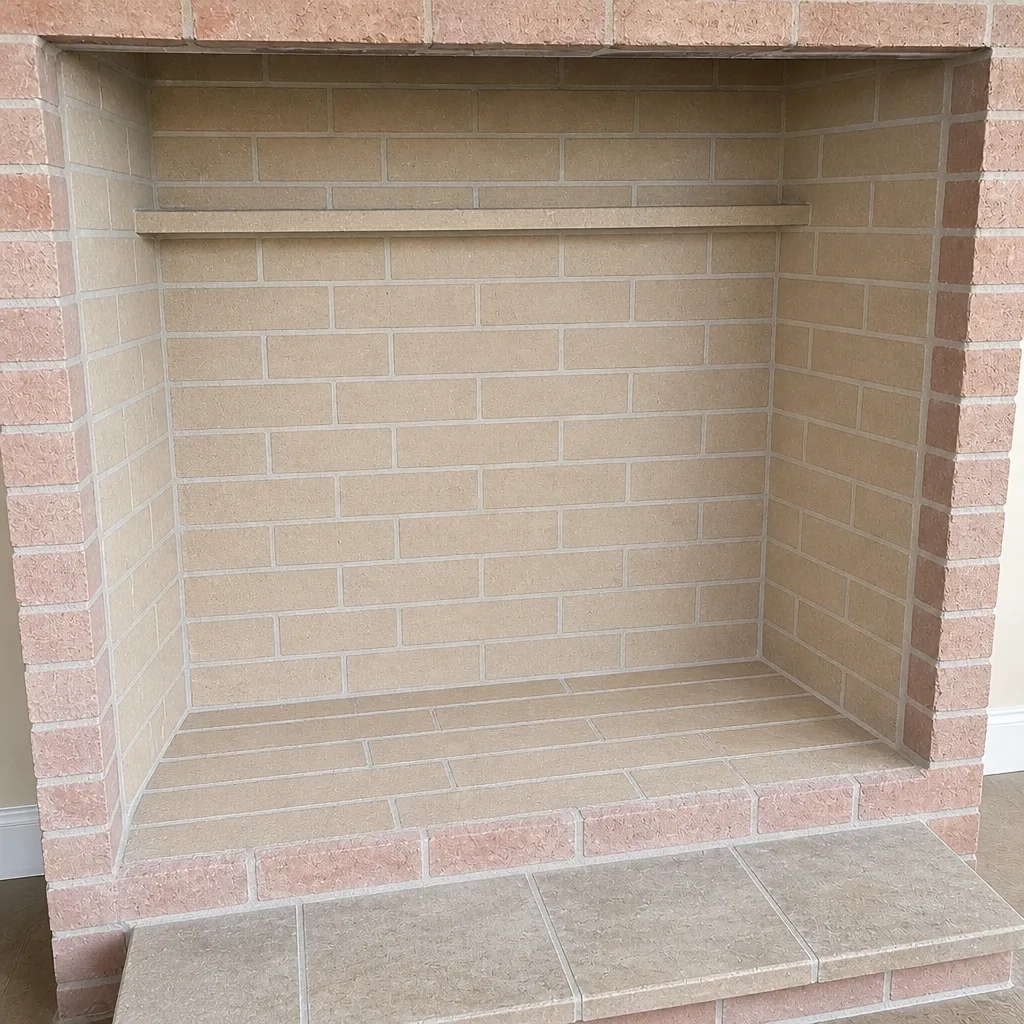
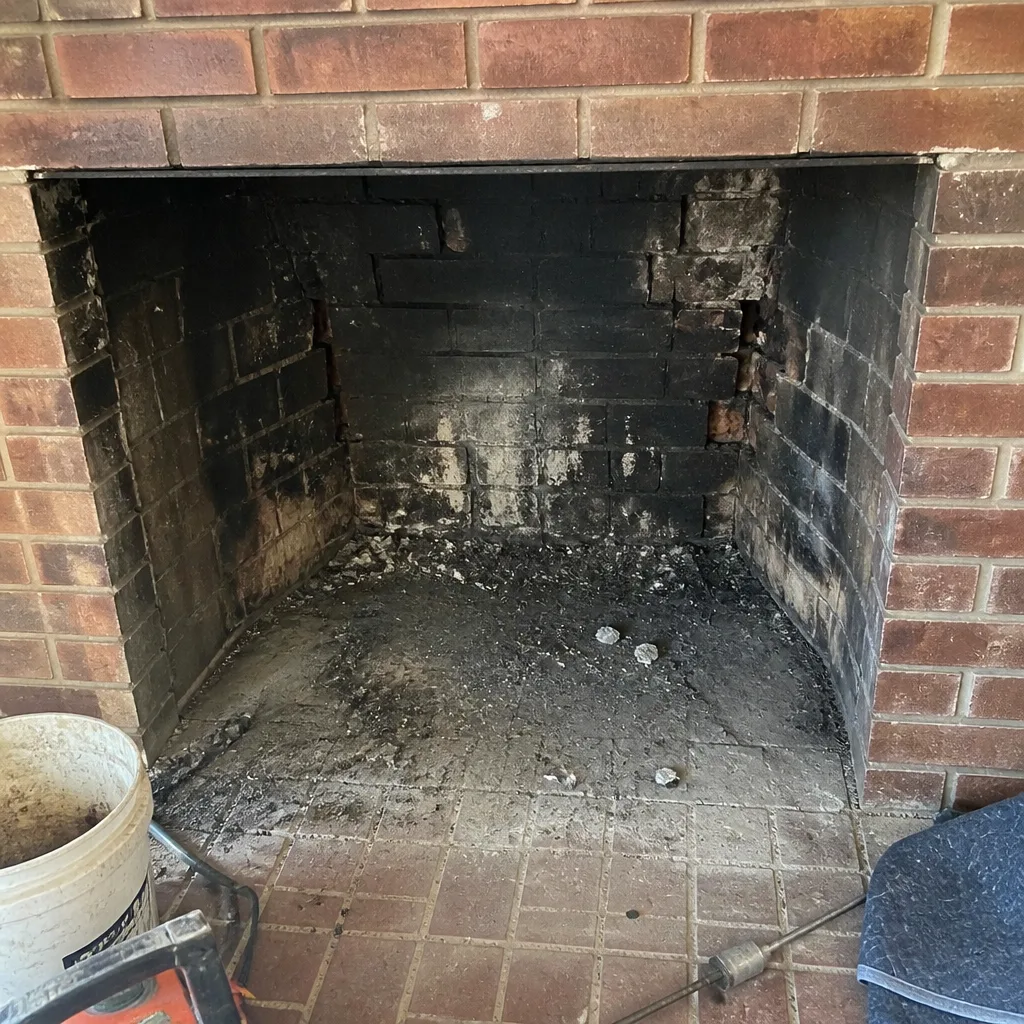
See the difference
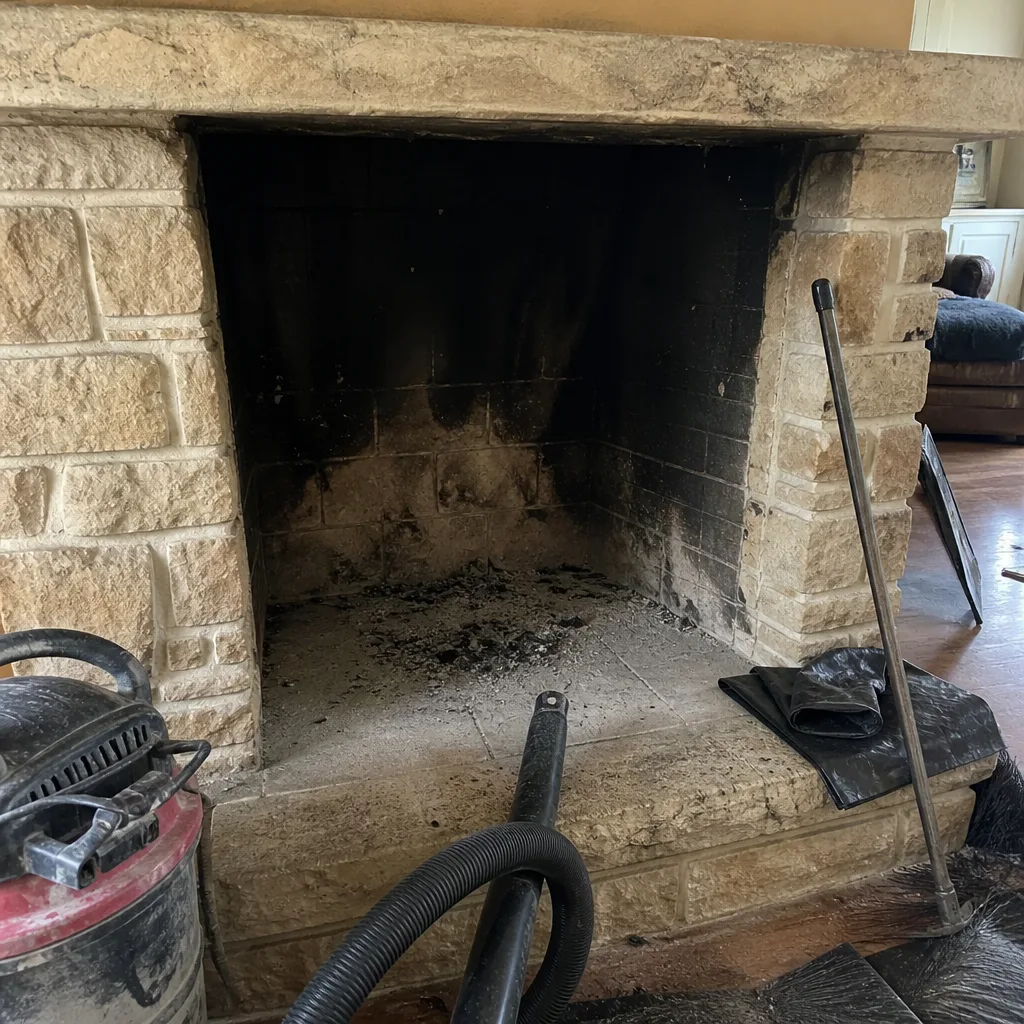 Before
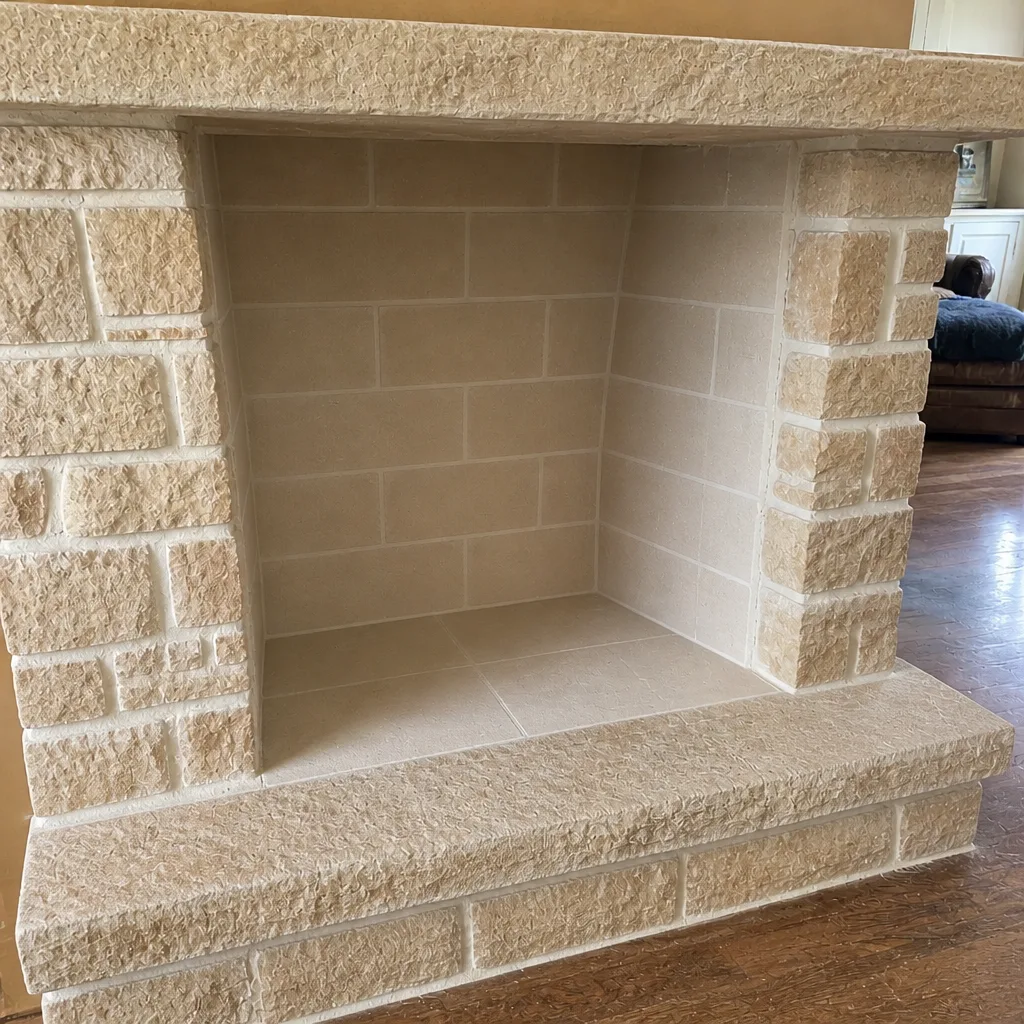 After
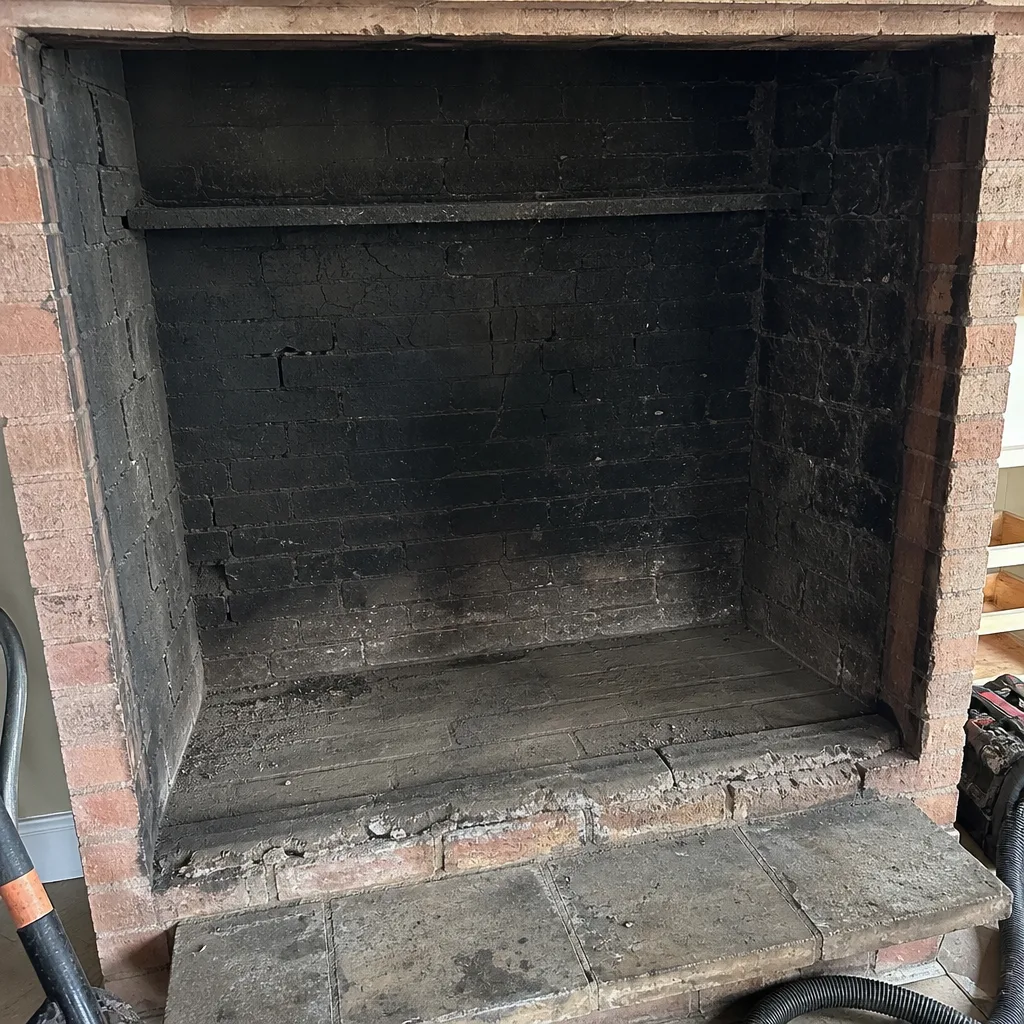 Before
 After
 Before
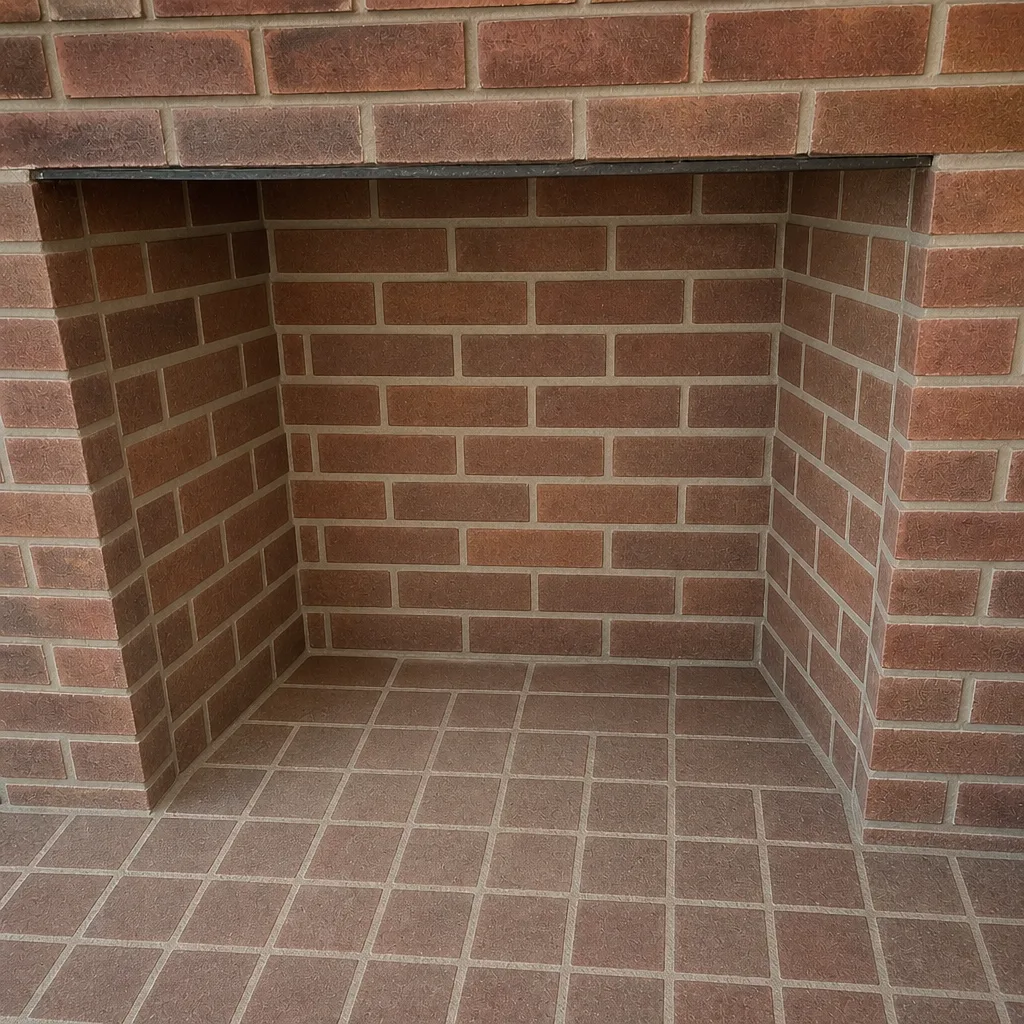 After
HeatShield Products We Service & Install in Castle Rock
We work across the HeatShield line. That includes the cast-in-place refractory mortar lining, the original formulation for restoring a damaged or deteriorated flue. It includes the HeatShield Resurfacing System for damaged flue tiles, which restores a smooth surface where tile has cracked or spalled. It includes the CeCure Sleeve Relining System, a pulled-in-place sleeve solution for the right kind of flue. And it includes HeatShield top-sealing damper assemblies, commonly paired with a relining job to close off the top of the flue and stop the stack effect that pulls heat and moisture out of the house.
Our part in all of these is knowing which one fits your flue, your fireplace, and the way you actually burn. We don’t claim to stock HeatShield materials on hand. What we do is inspect, recommend, and carry the job through.
We Also Service These Brands
We’re not a single-brand operation. Alongside our HeatShield work, we service DuraFlex flexible liner systems and Gelco chimney caps, plus Olympia Chimney and Famco products and Copperfield supply-grade components. When a HeatShield lining is past saving, we can talk through a stainless DuraFlex liner as a real alternative rather than pushing one brand for every flue. That range matters when your chimney’s condition, not a brand brochure, decides what’s right.
FAQs – HeatShield Chimney Cleaning Service in Castle Rock
It can usually be cleaned with a rotary tool, but HeatShield surfaces call for poly brushes rather than the aggressive metal or chain whips used on some masonry flues. HeatShield is a mortar-based surface, and a heavy rotary brush can abrade it, which roughens the lining and gives creosote more places to cling. We match the brush to the lining condition and use gentler tools where the surface shows any sign of softening.
You can’t tell from the fireplace side, and that’s why we inspect. Failed linings show up as delamination, cracks at the crown-to-flue transition, spalling, or roughness you can feel with a hand. A lining that just needs cleaning looks sound and smooth but has a creosote or glaze layer on it. The only reliable answer comes from a camera inspection, and in Castle Rock the freeze-thaw cycling at the crown is where we find the most failures.
Yes. A Level 2 inspection should come before any HeatShield application, because the pour has to go onto a clean, sound, dry flue. If there’s residual glaze, a compromised crown, or active water intrusion, the lining fails within a few seasons. The inspection is what tells you whether the flue is ready for a HeatShield pour or whether something upstream needs fixing first.
It’s usually the creosote, not the lining itself. The smoky smell comes from creosote and moisture in the flue reacting to warm, humid air and the stack effect pulling that odor down into the house. On a HeatShield-lined flue, though, the smell can also point to a lining that’s pulled away and let moisture behind it. A Level 2 inspection separates one from the other. Call (844) 883-7423 for an exact quote.
It depends on where and how badly it failed. A localized failure at the crown or a small damaged section can sometimes be spot re-lined with genuine HeatShield materials. A lining that’s separated across much of the flue or failed due to water intrusion usually means a full re-pour. Patching with generic refractory cement is the one option we don’t recommend, because it doesn’t bond to the HeatShield surface. Call (844) 883-7423 for an exact quote.
Typical chimney cleaning in Castle Rock runs in the normal range for the Front Range, and a HeatShield-lined flue adds a little because the lining condition has to be checked before the brush goes up. A full HeatShield relining or re-pour is a larger, per-job cost set by the written estimate, since it depends on the flue’s size, its condition, and how much crown repair is needed first. We give you the estimate in writing before any work starts. Call (844) 883-7423 for an exact quote. Estimates are free.
Book Your HeatShield Service in Castle Rock, CO
Whether your HeatShield lining needs a cleaning, a crown repair, or a full re-pour, we’ll inspect it first, show you what we find, and give you a written estimate before any work begins. Call (844) 883-7423. We answer 24/7. Fast dispatch from 7am to 7pm, Sunday through Friday.
Written by the team at Castle Rock Chimney Sweep.