
Last updated November 23, 2026
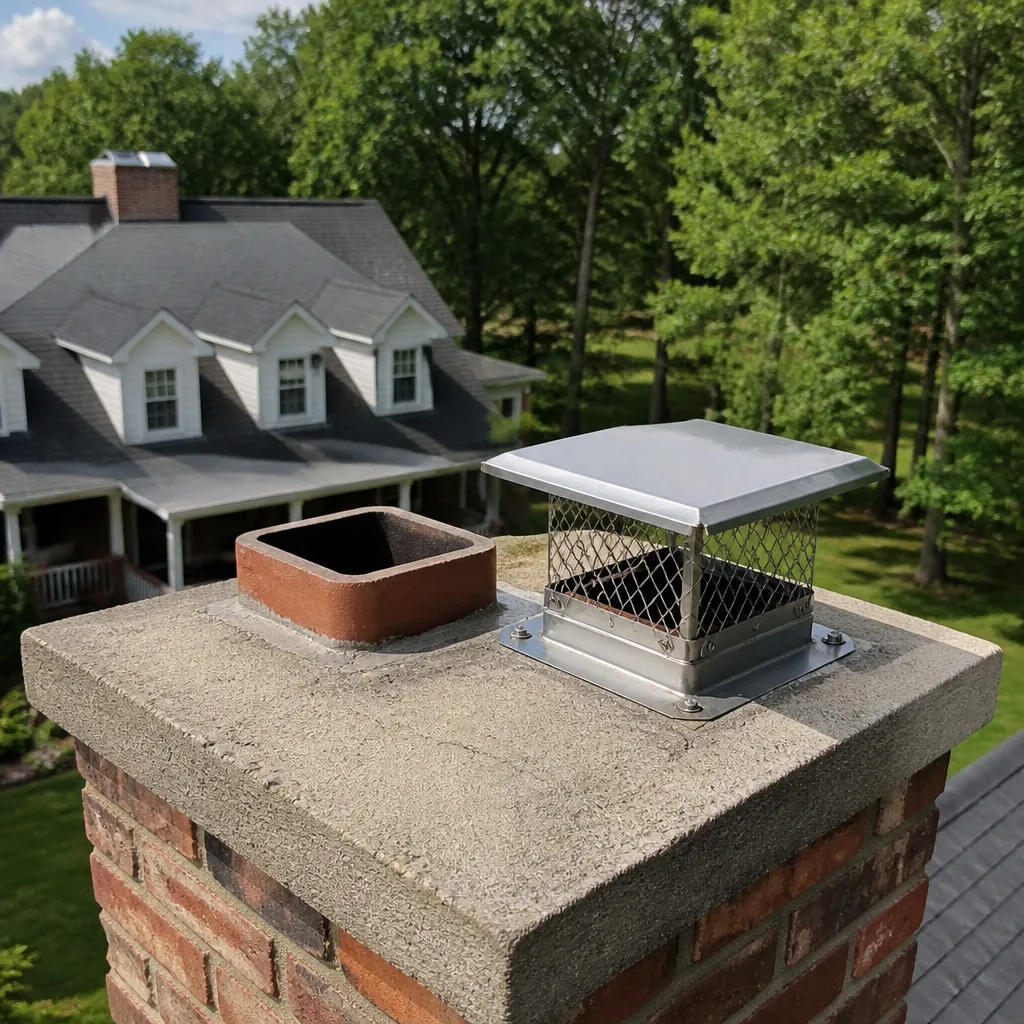 Sweep & inspection
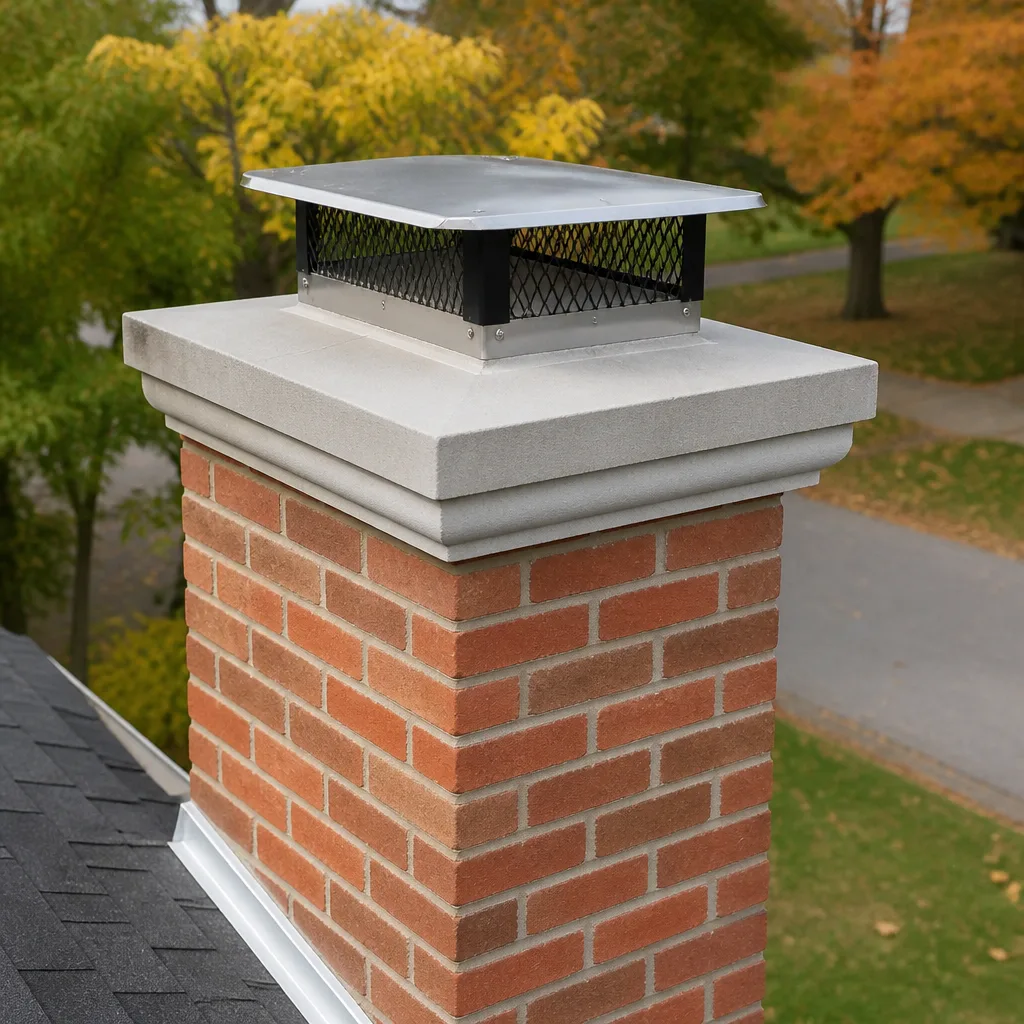 Caps & crowns
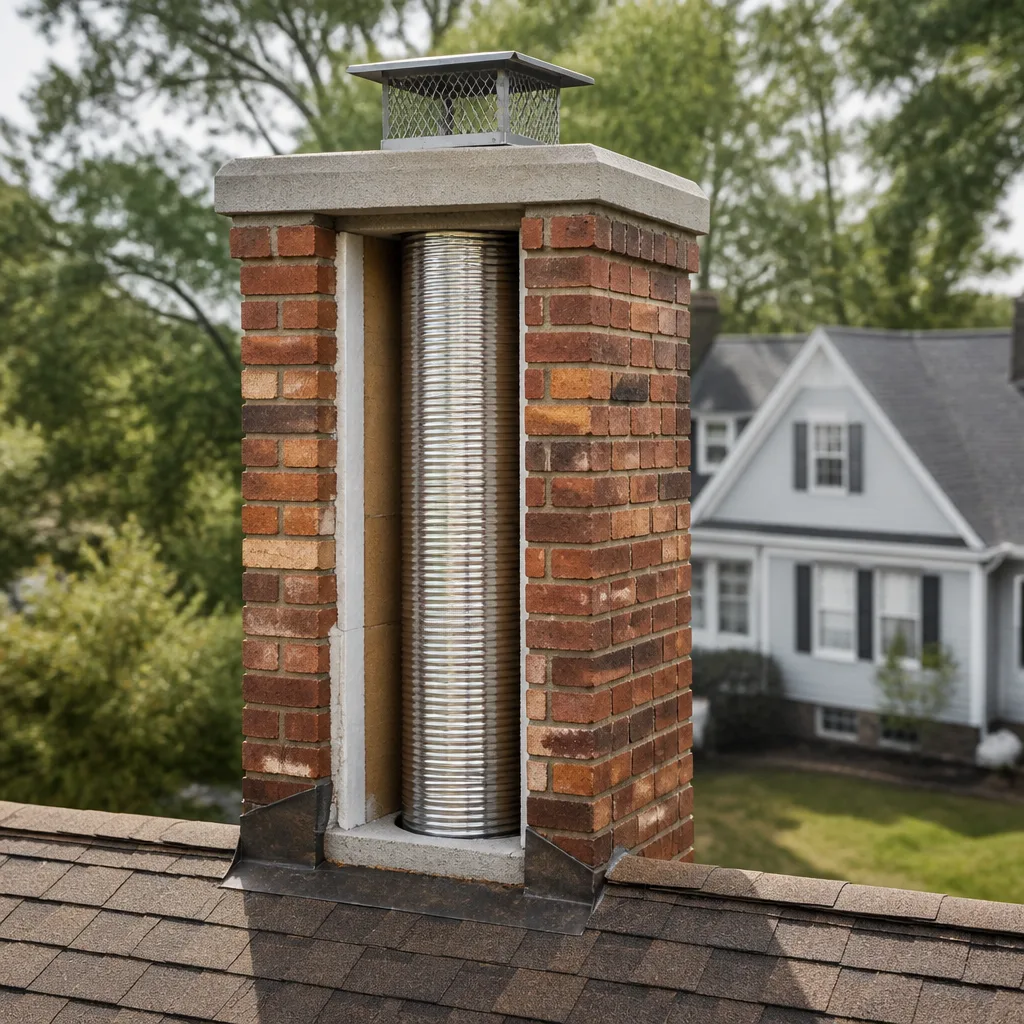 Flue relining
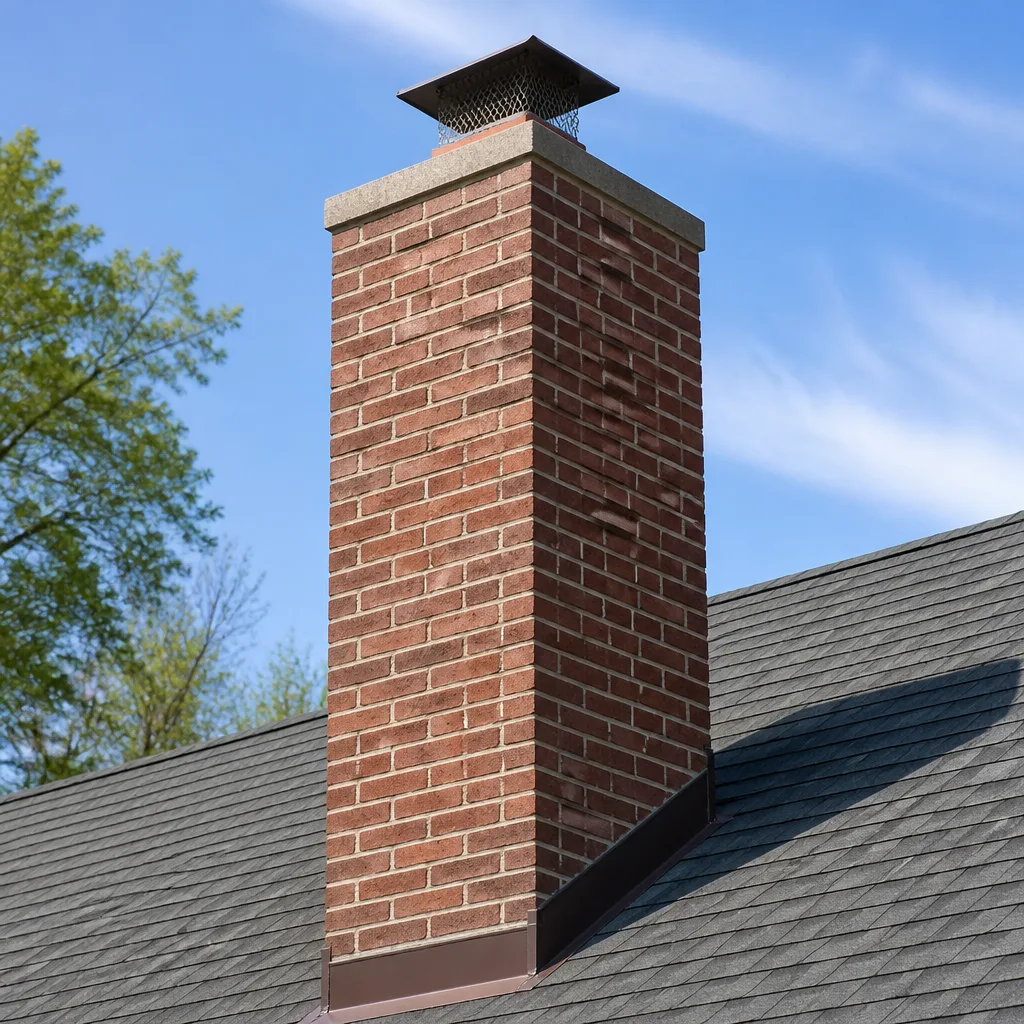 Masonry repair
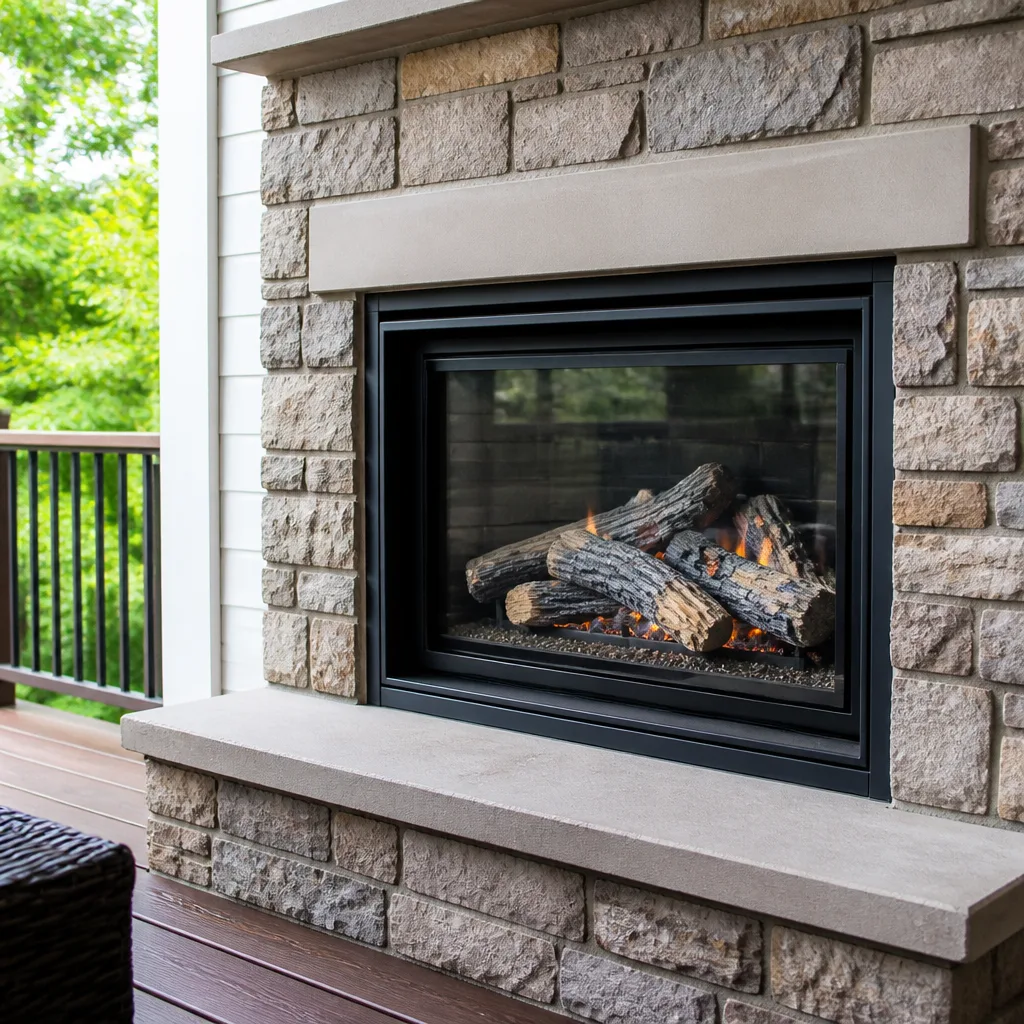 Gas fireplace service
Level 1 sweep and inspection to the NFPA 211 annual standard - flue, crown, cap, and flashing checked and photographed
Chimney sweep logs do not sweep chimneys. They loosen some creosote - which then falls where a brush and vacuum still have to collect it.
Chimney Cleaning Warning Signs: A Castle Rock Homeowner’s Reference Guide
Most chimney fires don’t announce themselves with flames shooting out the top. In Colorado’s high, dry climate they often smolder quietly inside the flue, and the first sign a Castle Rock homeowner notices is something subtle: a low crackling sound on a cold night, or a smell they can’t quite place. That’s the frustrating part about chimney problems. They whisper before they shout. This guide is built to help you hear the whisper. You’ll learn which odors point to which failures, what your exterior masonry is telling you from the ground, how to read draft problems and firebox stains, and where the line sits between “watch this” and “stop using the fireplace tonight.”
Quick Answer
Chimney warning signs in Castle Rock usually show up as one of four things: a persistent odor (damp, acrid, or sulfurous), visible staining or crumbling on the exterior masonry, draft problems like back-puffing or a weak draw, or dark glazed creosote inside the firebox. Any smell of smoke in the room, a cracked or missing cap, or third-stage glazed creosote means stop using the fireplace until a professional inspects it. Quieter signs – a faint summer dampness smell or a hairline crack in the crown – are worth booking a sweep and inspection soon, but they aren’t grounds to panic.
Styles & brands we work with
- Sweep & inspection
- Caps & crowns
- Flue relining
- Masonry repair
- Gas fireplace service
Table of Contents
- What the Odors Are Telling You: Damp, Acrid, and Sulfur
- Exterior Masonry Signals You Can Spot From the Ground
- Draft Problems Decoded by Likely Cause
- Reading Firebox Stains: Normal Soot vs. Glazed Creosote
- Stop-Use Signs vs. Watch-Use Signs
- Why Castle Rock’s Climate Makes Timing Matter
- What a Proper Inspection Actually Covers
- Common Mistakes to Avoid
What the Odors Are Telling You: Damp, Acrid, and Sulfur
Your nose is one of the most reliable diagnostic tools you own, if you know how to read it. Homeowners in Castle Rock often describe a smell first and the problem second. Three distinct odors cover most of what we run into.
The summer dampness smell. It shows up in July or August when the fireplace has been idle for months. It’s musty, like a closed-up basement. That points to moisture getting into the flue or smoke chamber, usually through a failing cap or a cracked crown. Water moves down and settles, and the creosote residue left from last winter absorbs it. If the smell only appears in warm months, moisture intrusion is the likely cause.
The acrid, sharp creosote smell. It’s tarry and slightly bitter, and it tends to be strongest on warm days after a fire or when the barometric pressure drops. That’s the smell of creosote off-gassing, and it usually signals a buildup that has gone past the fluffy stage into something denser. It’s a strong hint it’s time for a chimney sweep and inspection.
The sulfur or rotten-egg smell. This one is less common but worth taking seriously. It can come from debris – leaves, nesting material, or an animal that got in and couldn’t get out – decomposing in the flue. It can also point to a draft problem pulling sewer gas back through the house. Either way, it means the flue needs eyes on it.
Reading Your Own Nose
- Note when the smell appears: warm months only, cold months only, or year-round.
- Note whether it’s stronger near the fireplace, near another flue, or in the basement.
- Note whether it started after a windstorm or heavy rain.
- Write it down before you call. A description like “musty, only in June and July, strongest near the hearth” tells an inspector more than “it smells weird.”
None of these odors, on its own, means your house is in danger right now. But each one narrows the diagnosis before a technician sets foot on your property, and a homeowner who has paid attention is easier to help. That’s the kind of thing we’re after when we walk into a Castle Rock home: not a panicked list of complaints, but a homeowner who noticed.
Exterior Masonry Signals You Can Spot From the Ground
You don’t need a ladder to catch a lot of chimney problems. Stand back on the lawn or driveway and look up. Castle Rock’s freeze-thaw cycles are hard on masonry – water gets into a hairline crack, freezes overnight, expands, and opens the crack wider. Repeat that through a few winters and a small flaw becomes visible from the ground. Here’s what to look for.
- Spalling brick. The face of a brick has flaked or popped off, leaving a rough, pitted surface. That’s freeze-thaw damage at work, and it usually starts where water can sit.
- White, chalky deposits. This is efflorescence, mineral salts pushed to the surface by moisture moving through the masonry. A light dusting can be harmless; a heavy, recurring bloom means water is getting in somewhere.
- A tilted or missing cap. A chimney cap is the first line of defense. If it’s bent, rusted through, or gone entirely, rain and animals have a straight path in. We install Gelco and Famco caps for exactly this reason – the cap and the crown are where moisture intrusion usually starts.
- Crown cracks. The crown is the concrete slab on top of the chimney that sheds water. Look for visible cracks, crumbling edges, or a crown that pulls away from the flue.
- Dark staining low on the stack. Black or brown streaking on the exterior often points to smoke or creosote escaping where it shouldn’t, which can mean a liner or flue-joint problem.
- A leaning chimney. Noticeable tilt, or a visible gap where the chimney meets the roofline, is a structural signal. That’s a stop-and-call finding, not a watch-it finding.
The reason these matter so much in Castle Rock is that water damage is cumulative. A cracked crown in year one becomes spalled brick in year five and a full chimney repair project not long after. Catching it at the crown stage costs far less than catching it after the masonry has taken on water for several seasons. If you’re going to look at one thing from the ground, look at the cap and crown.
Draft Problems Decoded by Likely Cause
Draft complaints come in three flavors, and each points at a different culprit. “The fireplace doesn’t draw” is a symptom, not a diagnosis. Here’s how we sort them.
Back-Puffing and Smoke Entering the Room
When a puff of smoke rolls out into the room as you light a fire, or the room fills with a haze on a cold start, the likely causes stack up in a rough order:
- A cold flue. The flue is full of dense cold air that has to be pushed out before the draft reverses. A slow, warming start helps. If it happens every single time, though, a cold flue isn’t the whole story.
- A blocked or partially blocked flue. Nesting material, a fallen cap, or heavy creosote restricts the flow. This is a stop-use sign until it’s checked.
- A flue that’s undersized for the firebox opening. If the fireplace was built or modified with a firebox wider than the flue can serve, the draft will always struggle.
- Pressure problems in the house. Modern, tight homes can pull air down the chimney when exhaust fans, dryers, or bath fans run. A house in Castle Rock that’s been weatherized heavily can develop this over time.
Slow Draw and Weak Fire
A fire that lights fine but never gets going, smolders, and leaves the glass or firebox sooty usually means restricted airflow or wet wood. If the wood is dry and the draw is still poor, the flue needs a look. It could be a partially closed damper, a creosote restriction, or a chimney height issue that a wind study would catch.
Rumbling, Popping, or a Low Crackling Sound
Any of these sounds coming from the flue while a fire is burning – especially a steady low crackle or a roar that sounds like a small engine – should be treated as a possible chimney fire. Stop adding fuel, close the glass doors if you have them, get everyone out of the house if the sound continues, and call the fire department if you see or smell anything alarming. This is the one warning sign we never want a homeowner to talk themselves out of. Fires inside the flue can burn slowly and stay contained long enough to go unnoticed, and the damage they leave behind often only shows up on a camera inspection.
Reading Firebox Stains: Normal Soot vs. Glazed Creosote
The inside of your firebox is a diagnostic surface. What’s on it tells you how the fireplace has been running. There are three stages of creosote, and each looks different.
- Stage one: soot and light fluff. Grey or black powdery residue, thin, brushes off easily. That’s normal after a season of burning and is exactly what a routine sweep clears out.
- Stage two: crusty, flaky deposits. Black or dark brown, textured, and it takes a scraper or a proper brush to remove. This is heading the wrong way. Book a sweep before it becomes stage three.
- Stage three: glazed creosote. Hard, shiny, and tarlike. It looks almost like black glass and can’t be removed by normal brushing. This is the most flammable stage and the one that needs a professional. If you see a shiny, hardened coating inside the flue or on the smoke chamber, stop using the fireplace.
Alongside creosote, look at the interior brick of the firebox itself. A white, powdery bloom on the firebox brick – efflorescence, the same mineral deposit you’d see outside – points to water coming down the flue. Dark streaks running to a single point can point at a spalling brick or a joint failure. And on the firebox floor, rust-colored or heavy dark staining around the damper frame usually means condensation and moisture have been sitting there.
When we find stage-three glazing, the answer isn’t always a full rebuild. In many cases a HeatShield liner restoration can resurface the flue interior and restore its function without tearing out masonry. That’s the kind of structural repair a sweep-only operation can’t offer. Restoring the flue is the point; the cleaning is just the first step. For related work on the firebox itself, our fireplace repair service handles the firebox and damper side of the house.
Stop-Use Signs vs. Watch-Use Signs
Here’s the line. On one side, keep burning. On the other, stop until you’ve had an inspection.
| Stop Using Immediately | Watch and Book Soon |
|---|---|
| Smoke rolling into the room with a fire going | A faint musty smell in warm months only |
| A low crackling or roaring sound from the flue | Light powdery soot in the firebox (normal) |
| Glazed, tarry, shiny creosote visible in the flue | A light dusting of efflorescence on exterior brick |
| A leaning chimney or a visible gap at the roofline | A single hairline crack in the crown |
| A cracked or visibly damaged flue tile | A missing spark screen on a functional cap |
| A sulfur or rotten-egg smell with no other explanation | A slightly weak draw that only shows up on very cold mornings |
| A carbon monoxide alarm going off | A fire that lights a bit slower than it used to |
The stop-use list is built around two hazards: fire and carbon monoxide. A blocked or damaged flue can let combustion gases back into the living space, and a creosote-coated flue can ignite. Those two risks are why the stop list exists. The watch list is about catching early damage before it compounds. None of it is a reason to panic, but each of it is a reason to get on the schedule.
One practical rule: if you can’t decide which side of the line you’re on, err toward the watch list but stop using the fireplace until you’ve talked to a professional. A short gap in use costs you nothing. A fire or a carbon monoxide event costs a great deal.
Why Castle Rock’s Climate Makes Timing Matter
Castle Rock sits high and dry, and that combination shapes what chimney problems look like here. The freeze-thaw cycle is the biggest single factor. Water gets into cracks in the crown or masonry, freezes overnight when the temperature drops, expands, and widens the crack. When it thaws, more water gets in. By the time you can see the damage from the ground, it’s usually been working through a few seasons.
The dry air is a mixed blessing. It helps wood season quickly and reduces some moisture problems, but it also means the interior of a dormant flue dries out fast, which concentrates the creosote already on the walls and makes it more combustible when a fire gets going again in the fall. That’s why the best time to book a sweep is late summer or early fall – before the burning season starts, not after it’s underway. Booking in September means you’re not waiting for an opening when the first cold snap hits and everyone else is calling at once.
Castle Rock’s housing stock adds another layer. Older homes with original masonry chimneys show wear from freeze-thaw very differently than newer construction with insulated metal or factory-built flues. An older chimney may have decades of thin creosote layers baked onto the flue walls. A newer one may be more likely to have a cap or crown issue before the flue has had time to accumulate much. Both kinds of homes in Castle Rock need the same inspection to know which they’re dealing with.
What a Proper Inspection Actually Covers
A sweep-only visit that ends with a brush and a handshake misses most of what we’re looking for. A proper inspection is the part of the visit that earns its keep. Here’s what actually needs to happen:
- Exterior survey from the ground and the roof line. Cap, crown, flashing, masonry, and any signs of water intrusion.
- Firebox and damper review. Condition of the firebox brick, damper operation, and stains that point at water or heat damage.
- Flue sweep and inspection. Brush the flue, then run a camera down to see the flue tiles, joints, and any offset or damage.
- Smoke chamber and liner assessment. If a camera shows stage-three glazing or damaged tiles, this is where a liner restoration recommendation comes from – and where the evidence needs to be visible to you, not just described.
- Written findings with photos. You should be able to see the exact spot a technician is recommending work on. If you can’t see it, ask to.
We inspect before we leave. That’s not an upsell; it’s how a chimney stays safe. And when we find something, we can fix it – a Grade 1 or Grade 2 finding that needs a cap, a crown, or a HeatShield liner restoration gets handled by the same crew that identified it. No referral runaround. If the finding can wait a season, we say so plainly, and if it can’t, we say that too. The recommendation always comes with the camera evidence in hand, so you can make the call yourself.
Our technicians have up to 8 years of experience, and the materials in the van reflect that: DuraFlex liners, HeatShield restoration material, Olympia Chimney components, Gelco and Famco caps, and Copperfield supply-grade parts. Brands matter here because they’re the difference between a patch and a lasting repair.
Common Mistakes to Avoid
- Burning only on holidays and assuming nothing’s wrong. Creosote builds up whether the fire burns daily or a dozen times a year. Two seasons of sparse use can leave a deposit as thick as one busy season. The inspection still needs to happen on a regular schedule.
- Treating a smell as a nuisance. The musty summer smell and the acrid winter smell point at different problems, and neither goes away with a candle. Airing out the room doesn’t fix the moisture or the creosote; it just hides the symptom.
- Putting off the exterior look until the roof needs work. In Castle Rock, a cracked crown left through a single winter can turn into spalled brick by the next spring. Look from the ground a couple of times a year, especially after a hard freeze.
- Assuming a firebox full of soot is normal. A thin grey coat is normal. A shiny, tarlike coating is not. Learn to tell the difference.
- Burning unseasoned wood to “save money.” Wet wood creates more smoke, more creosote, and a weaker draft. In a place as dry as Castle Rock, there’s no reason not to season your wood properly.
- Ignoring a weak draft until the fireplace won’t light at all. Slow draw is an early warning. It’s easier and cheaper to fix a flue restriction in September than to diagnose a totally failed fireplace in January.
- Skipping the cap because it “looks fine.” A cap that’s rusted on the underside, or has lost a screen, lets rain and animals into a flue you can’t see. Look at it from the ground and have it inspected annually.
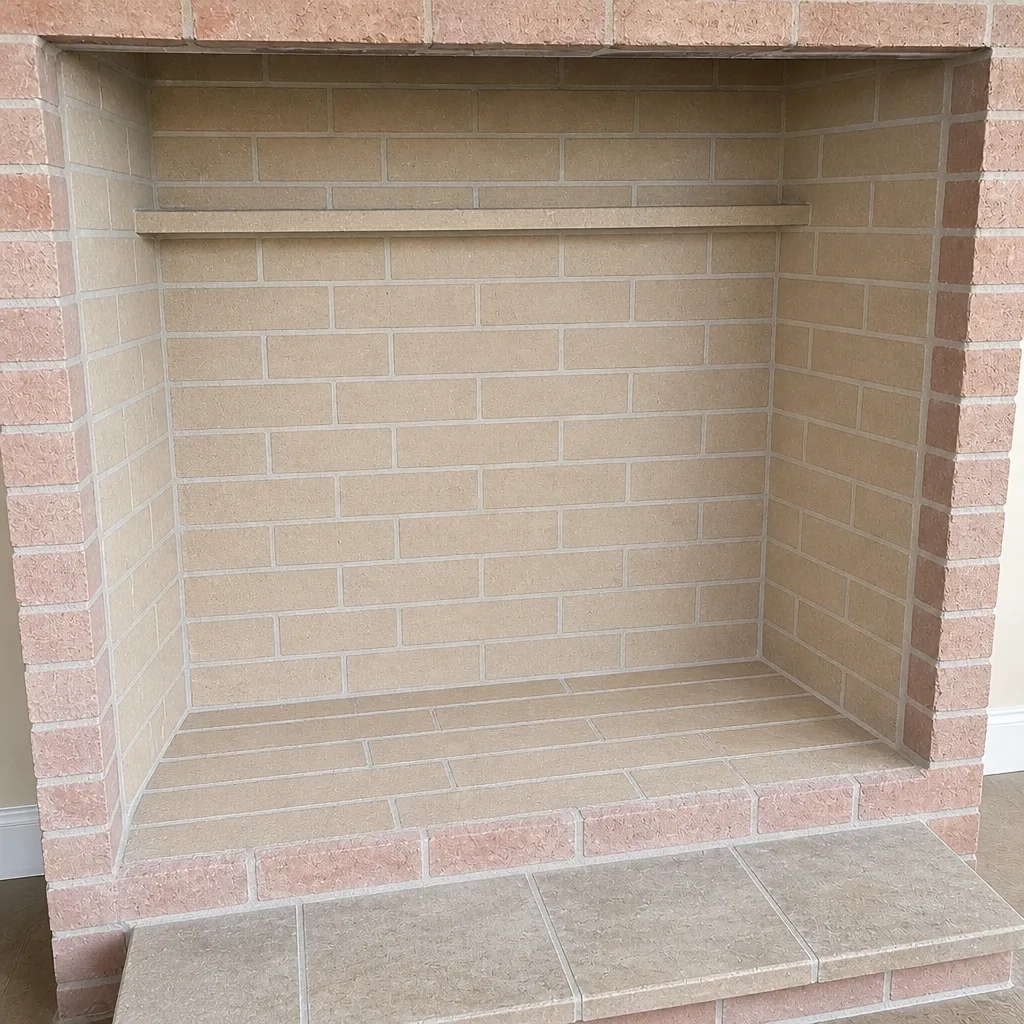
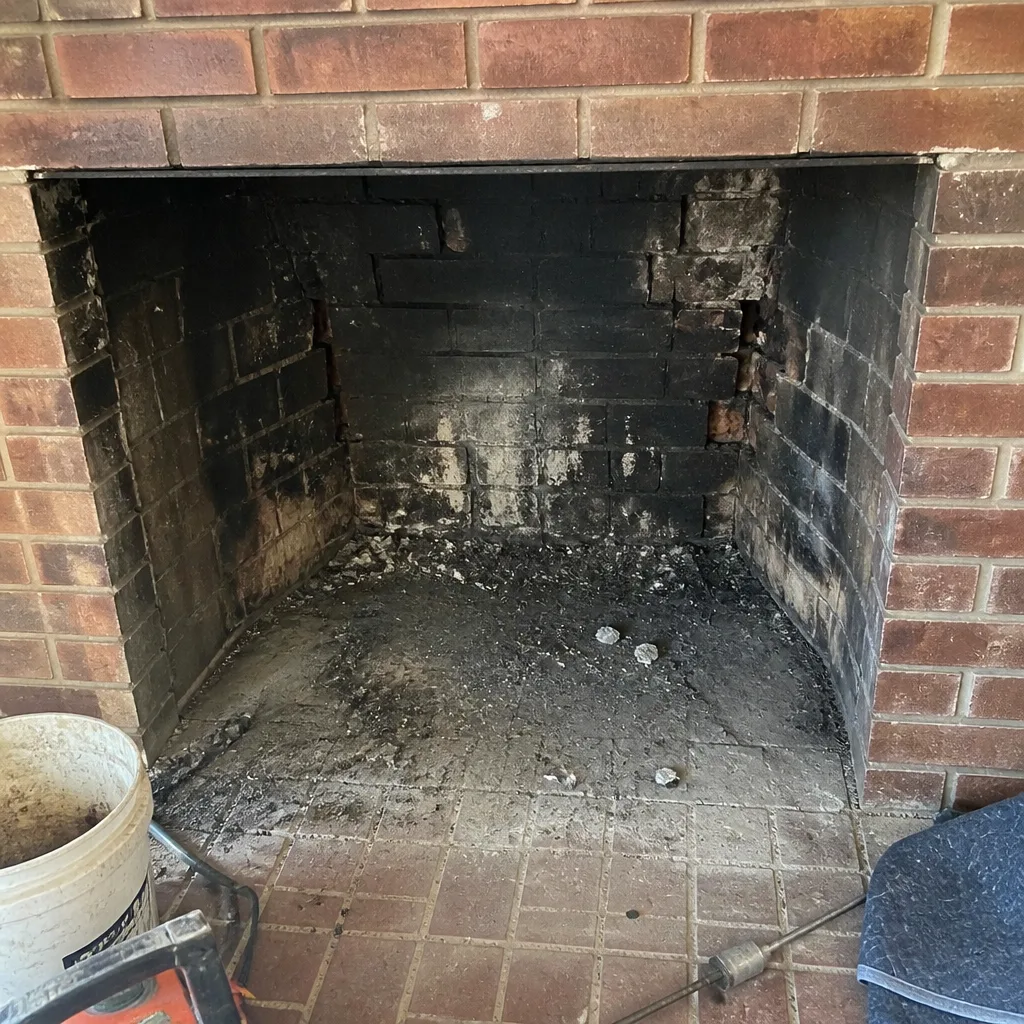
See the difference
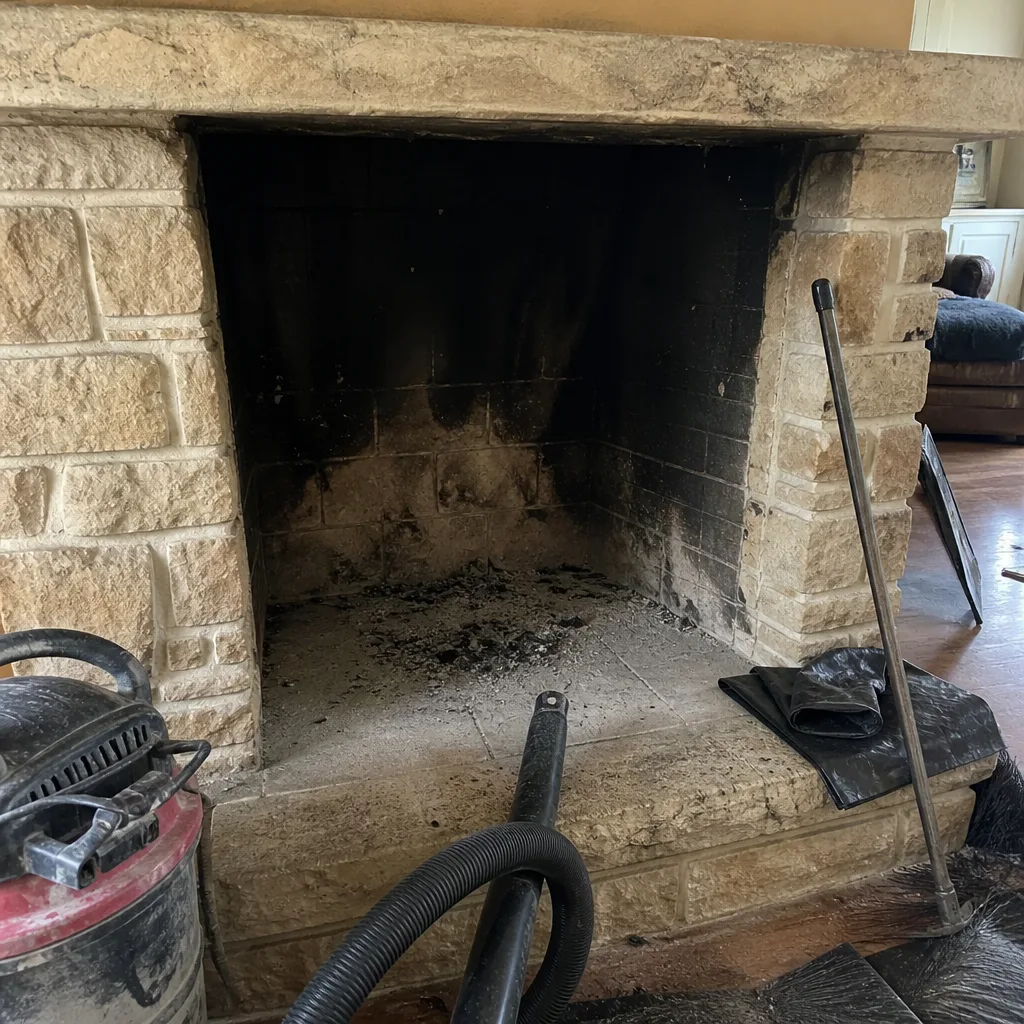 Before
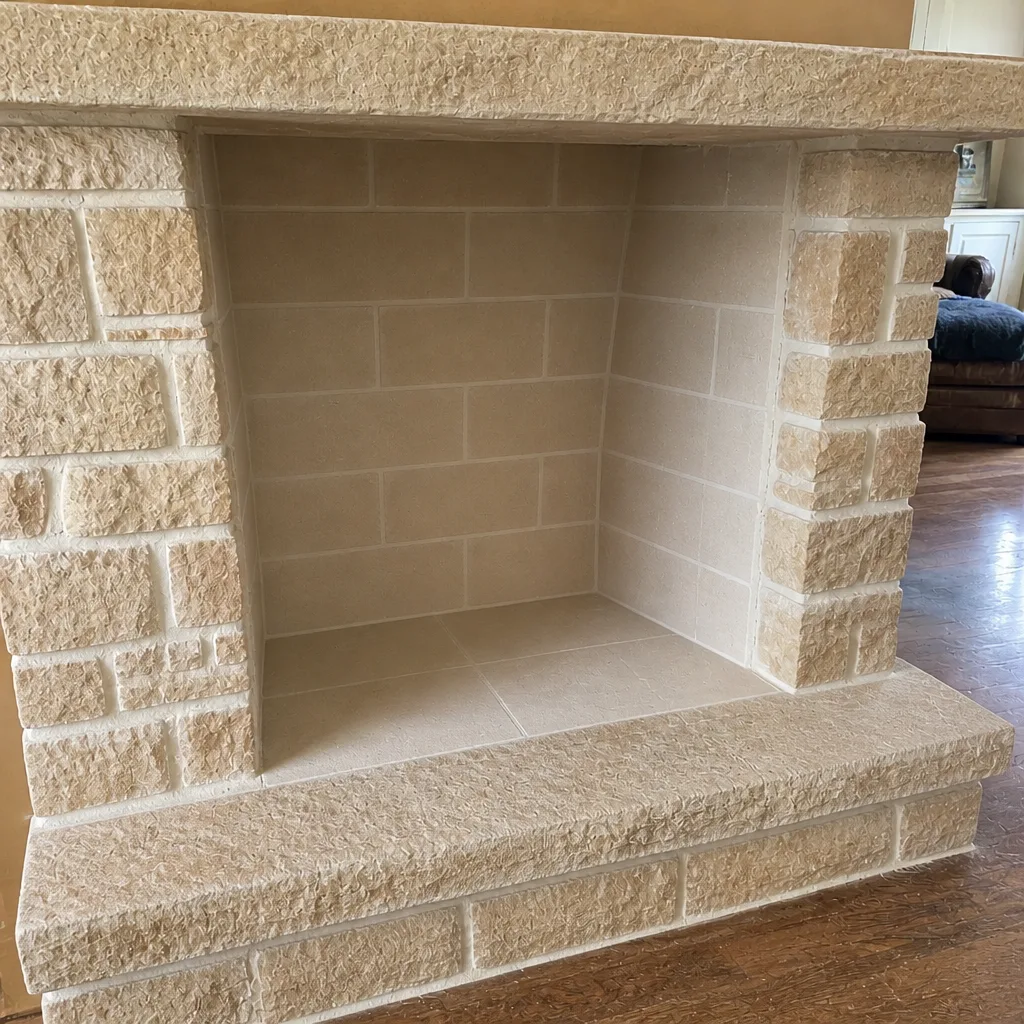 After
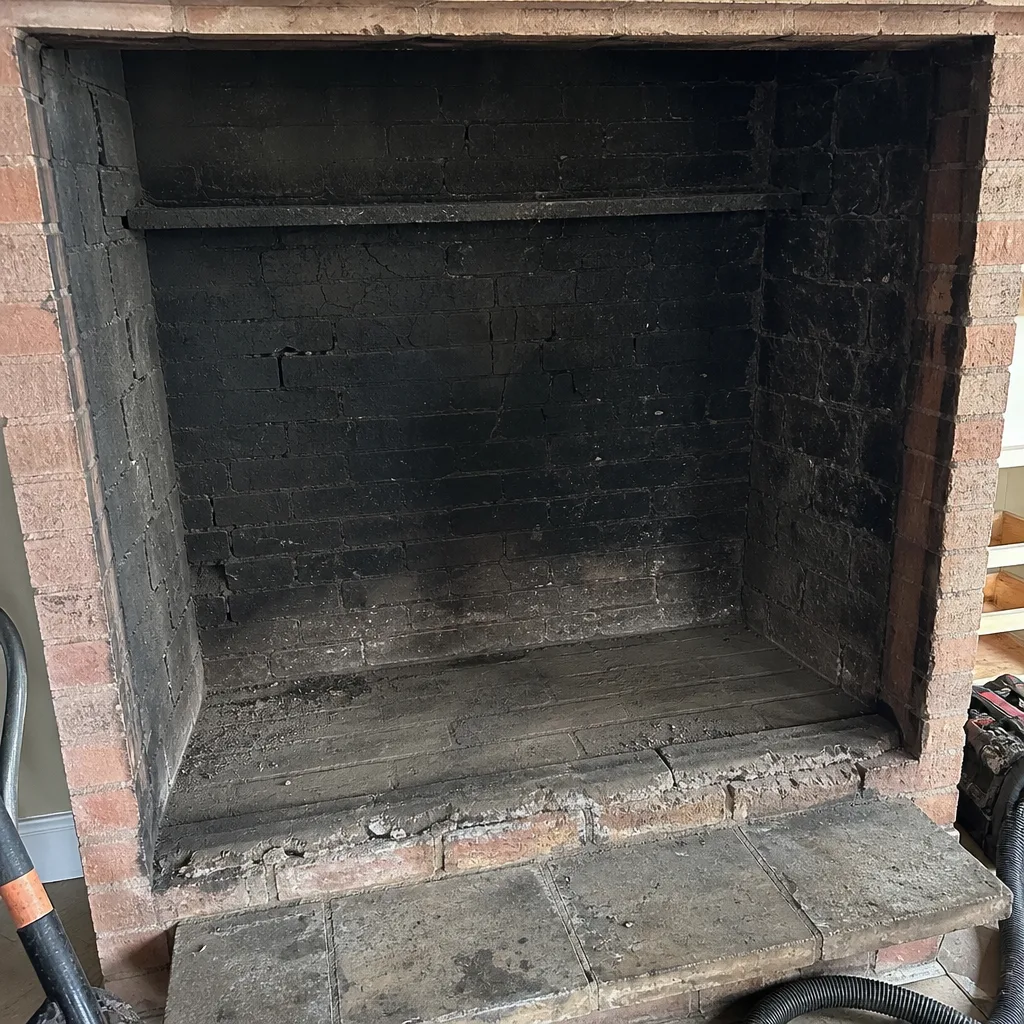 Before
 After
 Before
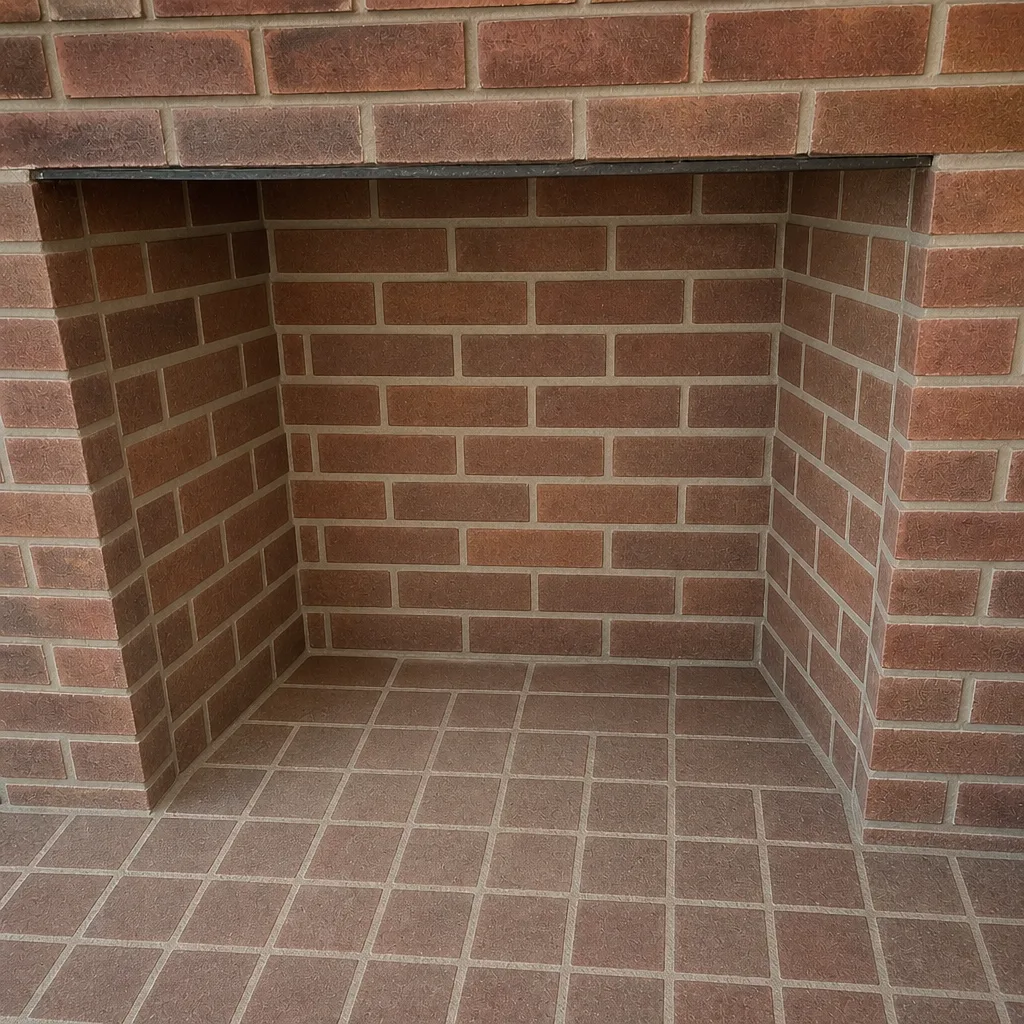 After
When to Call a Professional
Call a professional for anything on the stop-use list in this guide: smoke in the room, glazed creosote, a damaged flue, a leaning stack, or a carbon monoxide alarm. Those are calls you make as soon as you notice them. Also call when you’re not sure which side of the line a symptom is on. It’s cheaper to hear “this can wait” than to find out it couldn’t. For a Castle Rock Chimney Sweep visit, our technicians will inspect, sweep, and show you what we found, then quote any needed repair on the spot. Castle Rock Chimney Sweep offers free estimates in Castle Rock. Call (844) 883-7423. We answer 24/7. Fast dispatch from 7am to 7pm, Sunday through Friday.
Frequently Asked Questions
The earliest signs are usually subtle: a damp or musty smell in the summer, a slightly weaker draft on cold mornings, or a small amount of light efflorescence on the exterior brick. Catching any of these early and booking a sweep and inspection is the cheapest and easiest path. Left alone, they tend to grow into moisture damage, blocked flues, or creosote buildup that’s harder and more expensive to sort out.
A damp, musty smell points to moisture intrusion, usually through a failing cap or cracked crown. A sharp, acrid, tarlike smell means creosote buildup. A sulfur or rotten-egg smell points to decomposing debris or a back-drafting flue. Each odor has a different cause and a different fix, which is why it’s worth writing down what you smell and when you smell it before you call. Call (844) 883-7423 for an exact quote; estimates are free.
A low, steady crackling or roaring sound coming from the flue while a fire is burning is a possible chimney fire and should be treated as a stop-use situation. Stop adding fuel, close the glass doors if you have them, and call the fire department if the sound continues or you smell smoke in the house. Even if the fire burned itself out, the flue needs a camera inspection before you use the fireplace again, because a slow fire can damage the flue tiles in ways you can’t see from the room.
The general rule is once a year for a fireplace in regular use, and more often if you burn a lot of wood or notice any of the warning signs in this guide. Castle Rock’s dry climate and long burning season make the annual inspection especially worth keeping up on. Book in late summer or early fall, before the burning season gets underway, so you’re inspected and swept before the first cold snap. Call (844) 883-7423 for an exact quote; estimates are free.
Glazed, or stage-three, creosote looks like a hard, shiny, tarlike coating on the inside of the flue or smoke chamber, almost like black glass. It can’t be removed with a normal brush, and it’s the most flammable form of creosote, which is why a visible glazing means stop using the fireplace until it’s professionally addressed. In some cases, a HeatShield liner restoration can resurface the flue interior without a tear-out. Call (844) 883-7423 for an exact quote; estimates are free.
Stop using the fireplace until the cap is replaced. A missing or damaged cap lets rain, birds, squirrels, and debris straight into the flue, and it’s the most common cause of moisture intrusion in Castle Rock homes. A damaged cap is a watch-use sign only if the flue itself isn’t blocked – but a missing cap is safest treated as a stop-use sign until it’s replaced. Call (844) 883-7423 for an exact quote; estimates are free.
The Bottom Line
Most chimney problems don’t announce themselves. They start as a smell in July, a hairline crown crack, a draft that’s a little weaker this winter than last. The homeowners who avoid expensive surprises are the ones who learn to read those quiet signals and act on them early. Remember the priority order: stop-use signs first (smoke in the room, glazed creosote, a damaged flue, a CO alarm), watch-use signs second (damp smell, crown crack, mild efflorescence), annual inspection always. From sweep to repair in one call, we can handle the full chimney life cycle – cleaning, inspection, caps and crowns, and structural repair – using professional-grade materials that last. If anything in this guide sounds familiar in your Castle Rock home, it’s time to get eyes on it. Call (844) 883-7423. We answer 24/7. Fast dispatch from 7am to 7pm, Sunday through Friday. Estimates are free.
Written by the team at Castle Rock Chimney Sweep.