
Last updated November 23, 2026
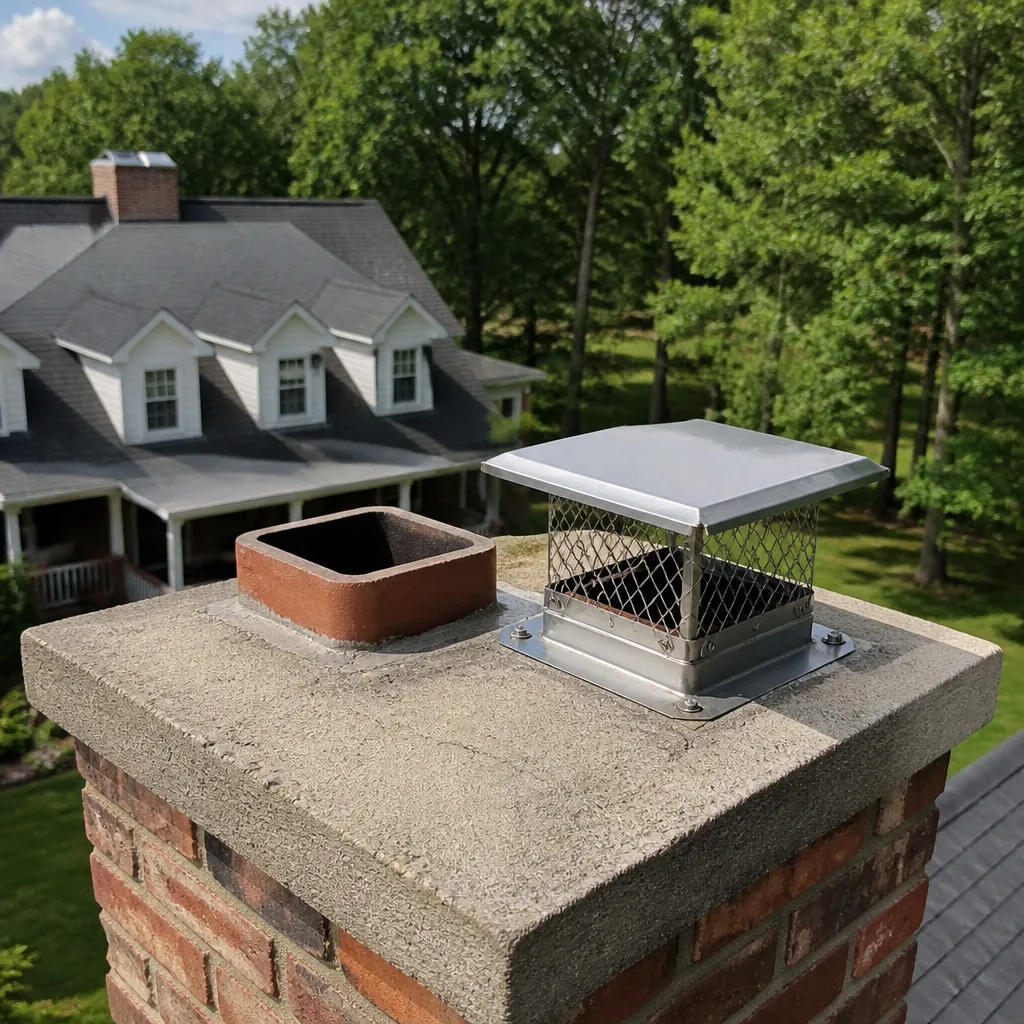 Sweep & inspection
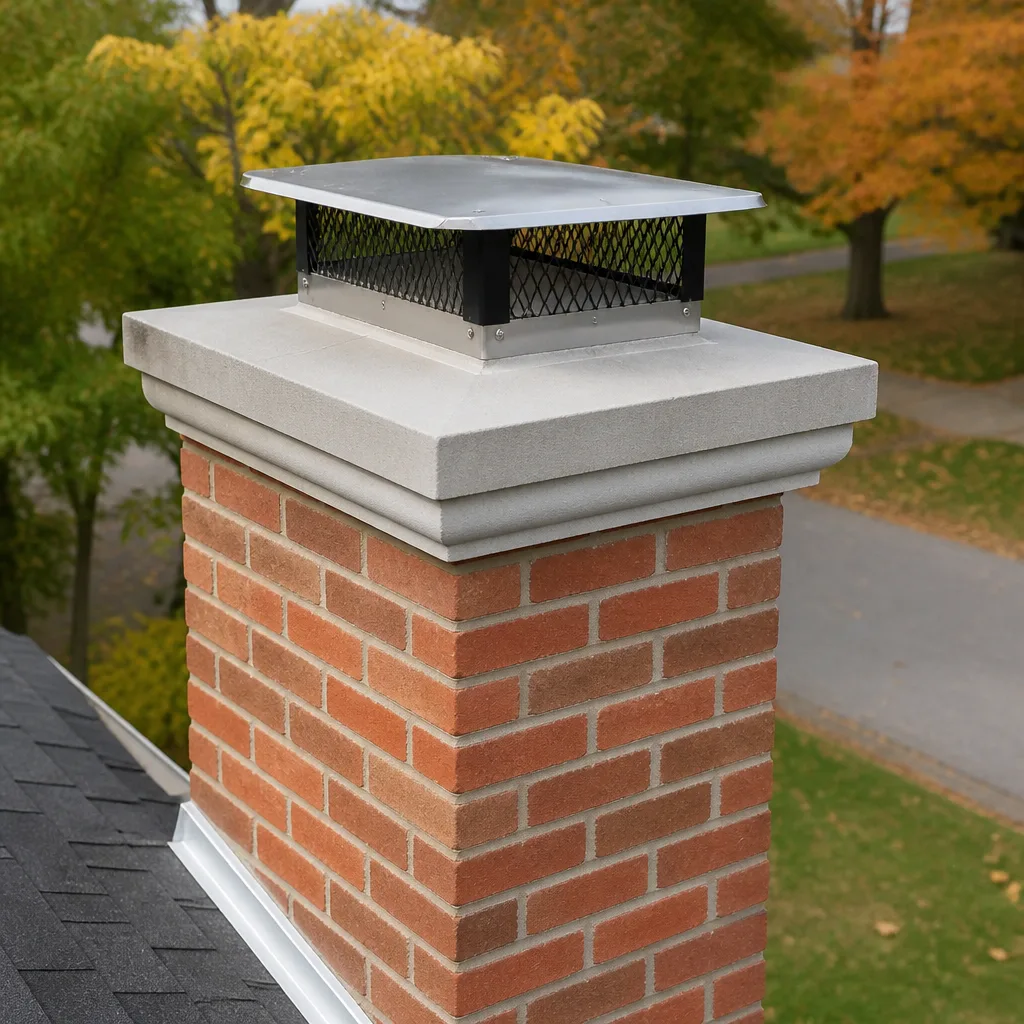 Caps & crowns
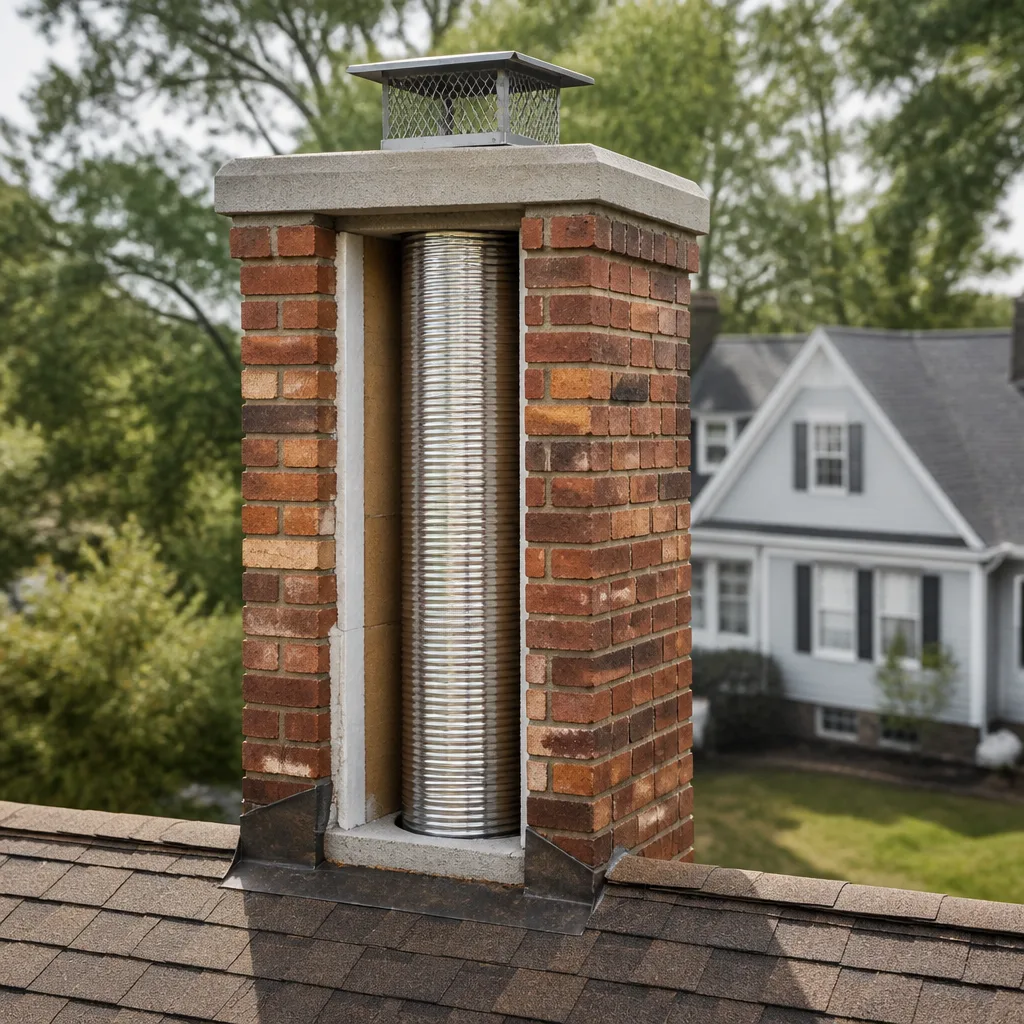 Flue relining
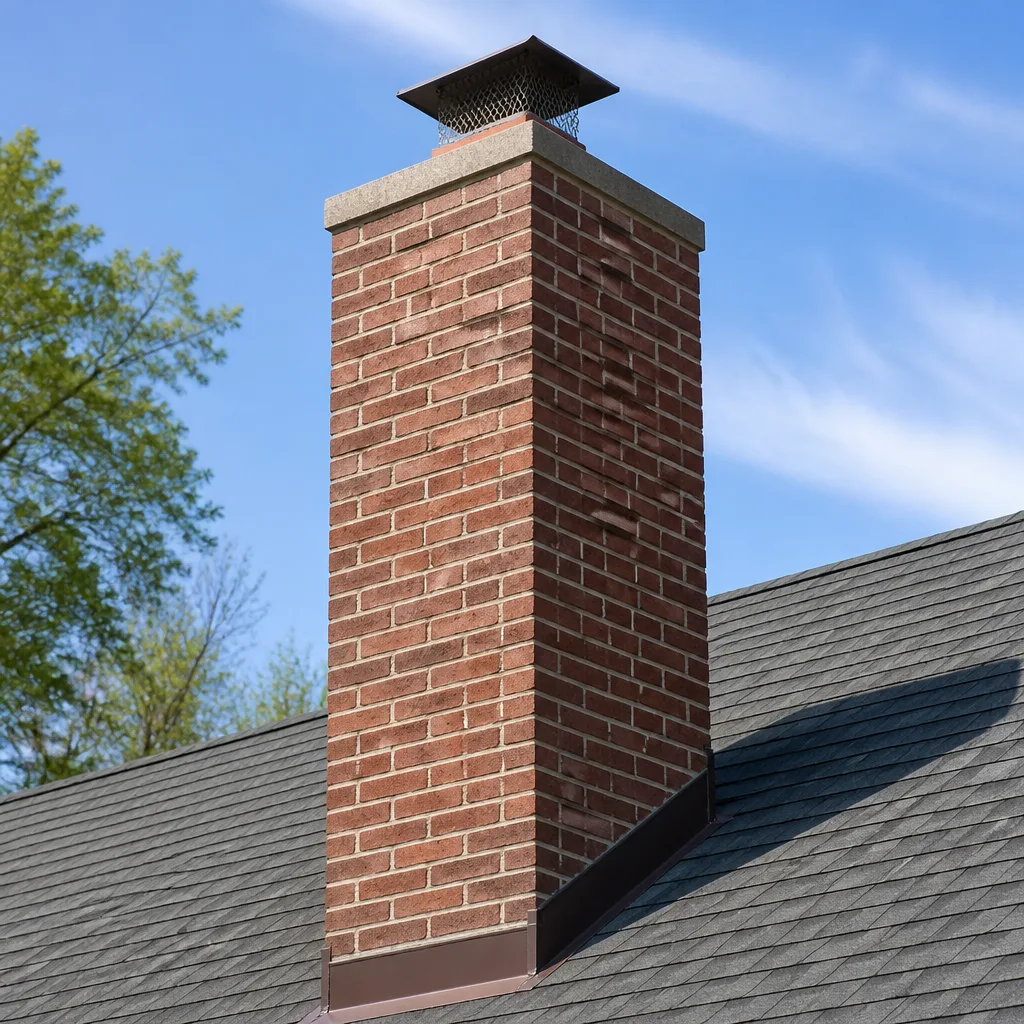 Masonry repair
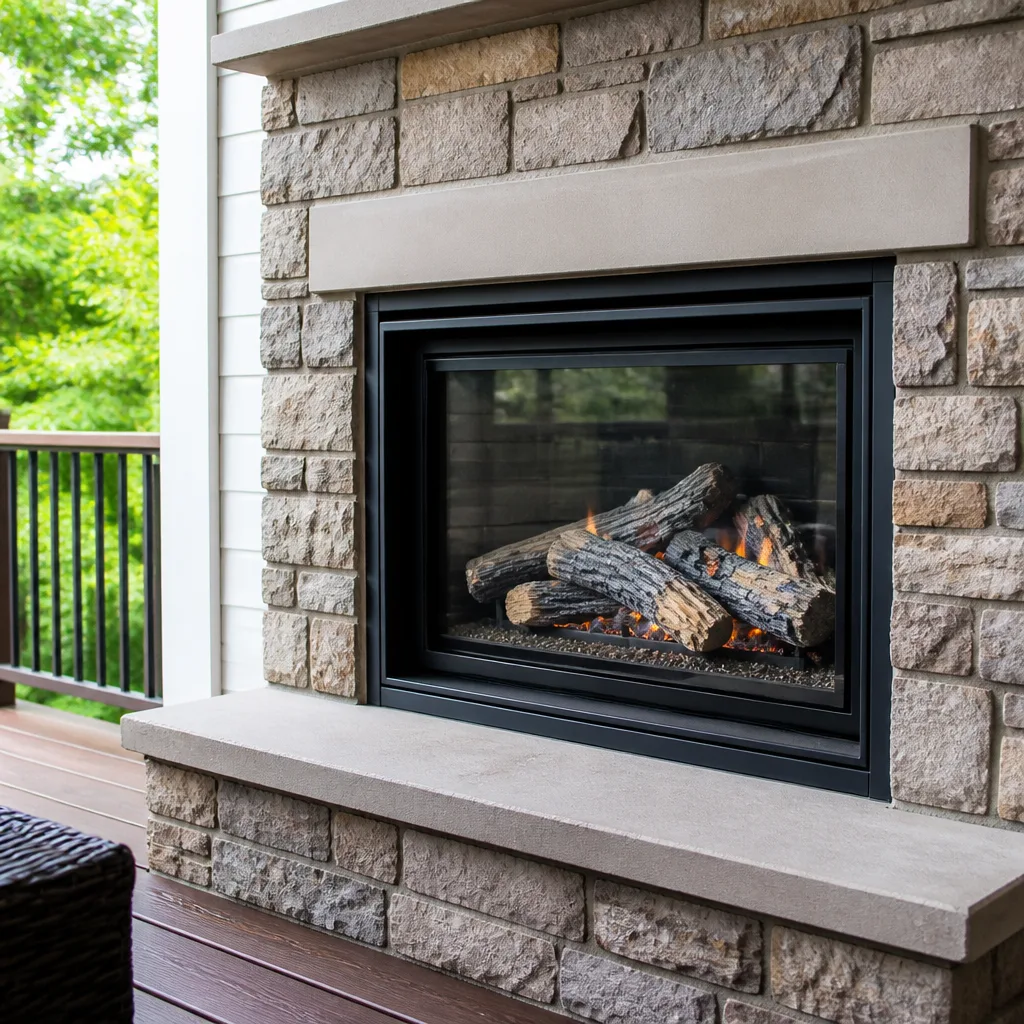 Gas fireplace service
Level 1 sweep and inspection to the NFPA 211 annual standard - flue, crown, cap, and flashing checked and photographed
Chimney sweep logs do not sweep chimneys. They loosen some creosote - which then falls where a brush and vacuum still have to collect it.
The Complete Guide to Chimney Cleaning in Castle Rock
Most chimney guides are written for sea level. That’s the first problem. Castle Rock sits at 6,224 feet, and at that elevation your firewood doesn’t burn the same way it does in Kansas City or Houston. Thinner air means less oxygen per cubic foot, which means incomplete combustion happens faster, which means creosote builds at a pace that surprises people who moved here from lower ground. A chimney that would stay clean for two seasons down at 3,000 feet can glaze up in one winter up here. This guide covers what chimney cleaning actually involves in Castle Rock, how our elevation and climate change the schedule, the difference between a sweep and an inspection, and what to look for before you hire anyone.
Styles & brands we work with
- Sweep & inspection
- Caps & crowns
- Flue relining
- Masonry repair
- Gas fireplace service
Quick Answer
Chimney cleaning in Castle Rock means removing creosote, soot, and debris from the flue and firebox, then inspecting the full system for the structural and venting problems that high-elevation burning and dry Colorado air tend to create. Most homes that burn regularly need a sweep once a year, and homes that burn hardwood heavily may need it more often because incomplete combustion at 6,224 feet produces creosote faster. A sweep is not the same as an inspection, and a proper visit includes both.
Table of Contents
- Why Castle Rock’s Elevation Changes How Your Chimney Ages
- Creosote Stages and What Each One Means for Your Flue
- Sweep vs. Inspection: What’s the Difference and When Do You Need Both?
- Wildfire Smoke, Ponderosa Pine, and Douglas County Debris
- Older Masonry Chimneys vs. Newer Gas Inserts
- What Professional Cleaning Actually Involves
- How Often Should You Schedule Cleaning in Castle Rock?
- How to Choose a Chimney Professional in Castle Rock
- Common Mistakes to Avoid
- When to Call a Professional
- Frequently Asked Questions
Why Castle Rock’s Elevation Changes How Your Chimney Ages
Fire needs three things: fuel, heat, and oxygen. At 6,224 feet, the air in Castle Rock holds roughly 20 percent less oxygen than at sea level. That doesn’t mean your fire won’t burn. It means the fire burns less completely unless the draft is strong and the wood is properly seasoned. Incomplete combustion leaves more unburned material in the smoke, and that material is what condenses on the flue walls as creosote.
Combine that with Colorado’s dry climate and you get a second effect. Dry air pulls moisture out of firewood fast, but it also pulls moisture out of masonry. A masonry chimney in Castle Rock goes through wet-and-dry cycles all winter, and every freeze-thaw cycle works on the mortar joints and the crown. The same dryness that makes your firewood ready to burn by fall is also what cracks the crown above your flue if water gets in and freezes.
What this means for cleaning:
- Creosote can move from a soft, brushable stage to a hard, glazed stage faster here than at lower altitudes because the deposit forms more heavily per cord of wood burned.
- Masonry chimneys in Castle Rock tend to show crown and mortar wear earlier than the same chimney would in a wetter climate, because the drying happens faster and the freezing is more aggressive.
- Draft matters more. A weak draft at elevation means a cooler flue, and a cooler flue is where creosote sticks. The inspection that comes with a sweep is where draft problems get caught before they become deposit problems.
Our technicians have up to 8 years of experience working on chimneys in this kind of high-country environment, and the pattern is consistent: Castle Rock homeowners who sweep once a year and inspect at the same time stay ahead of the creosote curve, while those who skip a season find themselves dealing with glazed deposits that take more work to remove. For a full review of what our Castle Rock Chimney Sweep team sees on a typical Castle Rock chimney, the elevation factor comes up on almost every visit.
Creosote Stages and What Each One Means for Your Flue
Creosote is not a single substance. It forms in three recognizable stages, and each one calls for different treatment. Knowing the stages helps you understand what a technician is describing when they tell you what they found.
- Stage 1: Soot and soft flaky creosote. This is the normal deposit from a well-managed fire. It’s grayish-brown, crumbly, and comes off with a standard flue brush. A routine sweep handles it. Most Castle Rock homes burning seasoned hardwood with good draft stay in this stage between annual cleanings.
- Stage 2: Hard, crusty creosote. This forms when the flue runs cooler than it should, or when the wood is damp, or when the fire is regularly smoldered rather than burned hot. It’s harder, darker, and sometimes flaky in sheets. A brush still removes it, but it takes more passes and more care. This is where high-elevation burning starts to show up: less complete combustion means more fuel for Stage 2 deposits.
- Stage 3: Glazed creosote. This is the hard, shiny, tar-like layer that fuses to the flue wall. A brush passes over it without removing it. Stage 3 creosote is the most combustible form, and it’s the reason chimney fires happen. Removal requires chemical treatment or mechanical rotary cleaning, and sometimes liner restoration if the flue has been damaged. Stage 3 is also where a sweep-only service has to stop and hand off to a repair specialist.
The good news is that Stage 3 doesn’t happen overnight. It’s the result of several seasons of missed cleanings, or of burning poorly seasoned wood, or of a flue that never drafts well enough to keep deposits from forming. A yearly sweep and inspection catches it at Stage 1 or 2, when the work is routine. That’s the practical argument for not skipping a season in Castle Rock: the altitude already makes the deposit form faster, so the margin for skipping is already thinner than it would be elsewhere.
Sweep vs. Inspection: What’s the Difference and When Do You Need Both?
A sweep cleans. An inspection evaluates. They’re different jobs, and a visit that does only one of them leaves you with half the picture.
A chimney sweep removes the creosote, soot, and debris from the flue and firebox. That’s the cleaning. It restores your chimney to the condition it was in when it was last clean, and it removes the fuel that makes a chimney fire possible.
An inspection assesses the chimney’s condition: the flue liner, the crown, the cap, the mortar joints, the firebox, the damper, and the venting path. There are three recognized levels:
- Level 1: A visual inspection of the readily accessible parts of the chimney and venting system, done during a routine sweep. This is what most Castle Rock homeowners get every year.
- Level 2: A more thorough inspection that includes a camera scan of the flue interior. It’s called for after a chimney fire or a seismic event, when you’re changing the appliance (a new insert, a new stove), when you’re buying or selling a home, or when the visual inspection turns up something that needs a closer look.
- Level 3: An inspection that requires opening walls or removing parts of the chimney to access concealed areas. It’s reserved for specific suspected problems.
In our experience, Castle Rock homeowners typically need both a sweep and a Level 1 inspection each year, and a Level 2 whenever there’s a change to the system or a reason to look closer. The camera scan matters because the inside of a flue is the part you can’t see from the firebox, and it’s where liner cracks, gaps, and Stage 3 creosote hide. We inspect before we leave, which means the findings come with the sweep, not as a separate appointment you have to schedule and remember.
Wildfire Smoke, Ponderosa Pine, and Douglas County Debris
Castle Rock sits in a landscape that burns. Douglas County’s fire-prone corridors, the ponderosa pine belt, and the seasonal wildfire smoke that drifts across the Front Range all affect what ends up in your chimney, and not in the same way standard wood smoke does.
Here’s the distinction most guides miss. The smoke from your own fireplace carries creosote because it’s the product of wood burning in your firebox. Wildfire smoke is different: it’s the product of a much larger, hotter fire, and it carries fine particulate and ash that can settle in a flue. When that smoke drifts over Castle Rock during fire season, some of it enters the chimney through the cap and the draft path. It doesn’t form creosote the way your own fire does, but it does add a layer of fine ash and particulate that changes what a sweep pulls out.
Ponderosa pine adds a different problem. It’s a common tree in this area, and it drops needles, cones, and pitch. Those can land on the cap, work into the spark arrestor, and block the draft. A blocked cap doesn’t just reduce draft; it can push smoke back into the house during a fire.
What to watch for in Castle Rock:
- Ash and fine grit in the firebox after fire season, especially after a heavy smoke event on the Front Range.
- Pine needles or debris visible on the cap or in the spark arrestor mesh.
- A cap that’s cracked, loose, or missing, which lets both debris and water in.
- Reduced draft or smoke rolling into the room on startup, which can mean a partial obstruction.
Cap and crown work is part of the answer here. A properly fitted cap from a brand like Gelco or a custom cap from Olympia Chimney keeps pine debris and wildlife out and gives wildfire ash a place to settle rather than a path into the flue. It’s a small piece of hardware with an outsized effect on what your sweep has to deal with each year.
Older Masonry Chimneys vs. Newer Gas Inserts
Castle Rock has a mix of housing stock, and the chimney problems in an older masonry home don’t look like the problems in a newer home with a gas insert. Knowing which one you have tells you what to watch for.
Older masonry chimneys were built with clay tile liners and mortar joints. Those tiles crack with age. The mortar between them spalls. The crown above the flue cracks and lets water in, and once water gets into the masonry, the freeze-thaw cycle in Castle Rock does the rest. The red flags:
- Cracked or spalled clay tiles visible from the firebox or on a camera scan.
- Crumbling mortar joints, especially near the top of the stack.
- A crown with visible cracks or separation from the flue.
- White staining on the exterior masonry, which can indicate water moving through the brick.
- A flue that’s too large for the fireplace it serves, which is common in older construction and leads to poor draft and heavier creosote.
When a masonry liner has failed, HeatShield ceramic liner restoration is one way to repair it without a full rebuild. It’s a cast-in-place repair that resets the flue’s interior surface, and it’s the kind of work a sweep-only service can’t do. If the flue needs a full reline, a DuraFlex flexible liner system is the alternative. Both are professional-grade materials used by certified chimney specialists, and both address the interior structure rather than just the visible surface.
Newer gas inserts present a different set of issues. A gas insert vents differently from a wood-burning fireplace, and its flue can be a smaller, dedicated vent. The cleaning needs are lighter, but the inspection needs aren’t. The red flags here are:
- An insert installed into a chimney that was never properly lined for it, which can lead to venting problems and moisture issues.
- A flue that’s oversized for the insert, which changes the draft and can let moisture and debris collect.
- Debris or animal nests in a flue that’s rarely burning and therefore rarely checked.
- A cap that’s been left off because the original installer didn’t fit one.
If you’ve had an insert installed in a Castle Rock home and it’s never been inspected since, that’s a Level 2 appointment waiting to happen. The chimney repair work that follows an inspection can address the venting and lining issues that insert installs sometimes create.
What Professional Cleaning Actually Involves
A surface-level sweep and go looks like this: a technician shows up with a vacuum, runs a brush up the flue, pulls some soot down, and leaves. That’s it. It’s the minimum, and it doesn’t tell you anything about the condition of your chimney.
Professional cleaning is a sequence, and the inspection is built in rather than tacked on. Here’s what a proper visit involves:
- Protect the room. Drop cloths over the hearth and surrounding floor, and a HEPA vacuum running throughout to capture the fine particulate that a brush loosens.
- Clean the firebox and damper area. The firebox, damper, and smoke shelf get cleaned before the flue, because that’s where the heavy soot accumulates.
- Sweep the flue from the top and bottom. A proper flue brush sized to the flue, worked from both ends where access allows, removes the deposit from the full length of the liner.
- Run a camera scan. A Level 1 inspection with a camera gives you a view of the flue interior you can’t get from the firebox. This is where liner cracks, gaps, and Stage 3 creosote show up.
- Inspect the exterior. The crown, cap, flashing, and masonry get checked from the roof. Cracks in the crown and a loose cap are the two most common water-intrusion points on a Castle Rock chimney.
- Document and explain. You get the findings: what was cleaned, what was found, what needs attention, and what can wait. Nothing gets recommended without camera evidence you can see for yourself.
The difference between the two approaches isn’t cosmetic. A sweep that skips the inspection finds nothing, so it can’t tell you about the cracked crown or the liner gap. That’s how a small repair turns into a chimney repair job you didn’t see coming. We’d rather show you the photo on the first visit and let you decide what to do with it.
How Often Should You Schedule Cleaning in Castle Rock?
Once a year is the right starting point for most Castle Rock homes that burn regularly, and it’s the schedule we’d recommend for the majority of households. But “once a year” isn’t the whole answer, because how often you actually need a sweep depends on how you burn.
The general rule is based on creosote accumulation, not the calendar. A chimney needs cleaning when the deposit reaches about 1/8 inch, which is roughly the point where a brush is still effective and a fire is still safe. For most homes that translates to an annual sweep. For some Castle Rock households it translates to more often.
You likely need a sweep more than once a year if:
- You burn hardwood heavily through the winter, especially if the fire is regularly smoldered overnight rather than burned hot.
- Your firewood isn’t fully seasoned. Damp wood is the single biggest driver of creosote, and at elevation the incomplete-combustion effect compounds it.
- Your flue is oversized for the fireplace, which is common in older Castle Rock masonry homes and leads to a cooler flue and faster deposit.
- Your cap is missing or damaged, which lets pine debris and moisture into the flue.
- You’ve had a chimney fire, even a small one, which calls for a Level 2 inspection before you burn again.
The practical move is to book the sweep and inspection before burning season starts, not after. A clean flue going into winter means you’re burning on a clean surface all season, and the inspection tells you whether the crown, cap, and liner are ready for the freeze-thaw cycle ahead. If your last cleaning was more than a year ago, the conversation is worth having now rather than in the middle of a cold snap. The fireplace repair side of the work often comes up during the same visit, because the firebox and damper are part of the same system.
How to Choose a Chimney Professional in Castle Rock
The chimney trade has a wide range of operators, from full-service specialists to seasonal side businesses. Knowing what to look for helps you tell them apart before you book.
Ask these questions:
- Do they inspect as part of the sweep? A company that sweeps without inspecting is doing half the job, and they can’t tell you about the problems they didn’t look for.
- Can they show you camera evidence? A photo of the flue interior is the difference between a finding and a sales pitch. If they can’t show you, ask them to.
- What can they repair? A sweep-only operation hands off repair work to someone else. A full-service specialist can carry the work through to a liner restoration or a cap and crown installation. Ours includes chimney repair and fireplace repair as part of the same service, which means the findings get fixed by the same crew that identified them.
- What materials do they use? Professional-grade trade brands like DuraFlex, HeatShield, Gelco, Olympia Chimney, Famco, and Copperfield are used by certified chimney specialists nationwide. A company that can name its materials is telling you something about its standards.
- Will they tell you what can wait? Honest assessment cuts both ways. Some repairs are urgent; others can safely wait a season. A specialist will say so.
One more thing to check: whether the local pro is licensed and insured as their state requires. If you’re comparing estimates, ask each company what their inspection covers and whether they use camera equipment. It’s the fastest way to tell full-service work from a sweep that stops at the flue brush. Everything starts with a free estimate, and you can reach us at (844) 883-7423 to book one.
Common Mistakes to Avoid
- Skipping the inspection because the sweep looked fine. A clean flue says nothing about the crown, the cap, or the liner. The inspection is where the structural problems get caught, and it’s the part that a sweep-only visit leaves out.
- Burning unseasoned wood because it’s what’s on hand. Damp wood is the biggest driver of creosote, and at 6,224 feet the incomplete-combustion effect makes it worse. Season your wood before it goes in the firebox.
- Assuming the gas insert needs no maintenance. A gas insert that’s rarely burning is rarely checked, and it can still collect debris, animal nests, and moisture. An insert installed without a proper liner is a Level 2 inspection waiting to happen.
- Ignoring the crown and cap until water shows up inside. In Castle Rock’s freeze-thaw climate, a cracked crown is the entry point for water that damages the masonry behind it. Fixing the crown early is cheaper than repairing the stack later.
- Letting a Stage 3 glazed flue get brushed and called clean. A brush passes over glazed creosote without removing it. If the technician doesn’t mention the stage of the deposit, ask.
- Hiring the lowest bid and getting only a vacuum and a brush. If the estimate doesn’t include an inspection, ask why. A low bid that skips the inspection isn’t a bargain; it’s a missed diagnosis.
- Waiting until the middle of winter to book. Scheduling the sweep before burning season means a clean flue all winter and a crown and cap checked before the first hard freeze. It’s a maintenance decision, not an emergency one.
When to Call a Professional
Some chimney situations can wait for the annual visit. Others shouldn’t. Call a professional if you’ve had a chimney fire, even a small one, because a fire can crack a liner in ways that aren’t visible from the firebox. Call if smoke rolls into the room on startup or during a burn, which can signal a draft problem or a partial obstruction. Call if you see white staining on the exterior masonry, cracked tiles, or a crown that’s separated from the flue. Call if your cap is missing or damaged, because that’s an open door for pine debris, wildlife, and water. And call if it’s been more than a year since your last cleaning and you burn regularly, because at Castle Rock’s elevation the creosote clock runs faster than it does down at lower ground. The risks here are specific: creosote buildup is the fuel for a chimney fire, a cracked liner can let carbon monoxide into the house, and moisture intrusion is what turns a small masonry repair into a structural one. None of that is a reason to panic. It’s a reason to have someone look.
Castle Rock Chimney Sweep offers free estimates in Castle Rock. Call (844) 883-7423. We answer 24/7. Fast dispatch from 7am to 7pm, Sunday through Friday.
Frequently Asked Questions
The cost of a chimney cleaning in Castle Rock depends on the flue, the deposit, and whether an inspection is included, and the price is set per job by a written estimate after we see the chimney. What we can tell you is that the estimate is free, and a sweep that includes a camera inspection is a different job from a brush-and-go visit, which is why the two are priced differently. The written estimate sets the final price. Call (844) 883-7423 for an exact quote; estimates are free.
Yes, if you burn regularly. The elevation at 6,224 feet means less complete combustion and faster creosote accumulation than at lower altitudes, so annual cleaning is the right baseline for most Castle Rock homes. Homes that burn heavily or use less-seasoned wood may need it more often. Call (844) 883-7423 to book a sweep and inspection.
A sweep cleans the flue; an inspection evaluates the condition of the whole system. A proper visit includes both, because a brush can’t tell you whether the liner is cracked or the crown is failing. The inspection is where the camera scan happens and where the structural problems get caught. Call (844) 883-7423 to schedule a visit that includes both.
Creosote builds up in the flue, and the more of it there is, the more fuel a chimney fire has to work with. At Castle Rock’s elevation the deposit forms faster, so a skipped season moves you from the soft Stage 1 deposit into the harder Stage 2 and potentially the glazed Stage 3, which is harder to remove and often signals damage underneath. It’s a maintenance issue, not a scare, but it’s the reason the once-a-year schedule exists. Call (844) 883-7423 for an estimate.
Yes, and it needs an inspection even more. A gas insert vents differently from a wood fireplace, and if it was installed into a chimney that was never properly lined for it, venting and moisture problems can develop. A rarely burning insert is also rarely checked, so debris and animal nests can collect in the flue. Call (844) 883-7423 for a free estimate.
Check local restrictions first, and don’t assume a quiet evening means it’s fine. Douglas County’s fire-prone corridors mean burn restrictions matter here, and wildfire smoke drifting over the Front Range adds fine particulate to the air even when your own flue is clean. A well-fitted cap and a clean spark arrestor help keep debris out of the system. Call (844) 883-7423 if you want the cap and arrestor checked.
The Bottom Line
Chimney cleaning in Castle Rock isn’t the same task it is at sea level. The elevation makes creosote form faster, the dry climate and freeze-thaw cycle work on the masonry, and the pine and wildfire debris that come with the landscape change what ends up in the flue. The schedule that handles all three is a yearly sweep and inspection, booked before burning season, with a camera look at the interior and a check of the crown and cap. A sweep without an inspection finds nothing to report, which is why the full-service approach matters. We work with DuraFlex, HeatShield, Gelco, Olympia Chimney, Famco, and Copperfield materials because a repair that lasts is built from the inside out. If it’s been a year or more, call (844) 883-7423 for a free estimate. We answer 24/7. Fast dispatch from 7am to 7pm, Sunday through Friday.
Written by the team at Castle Rock Chimney Sweep.
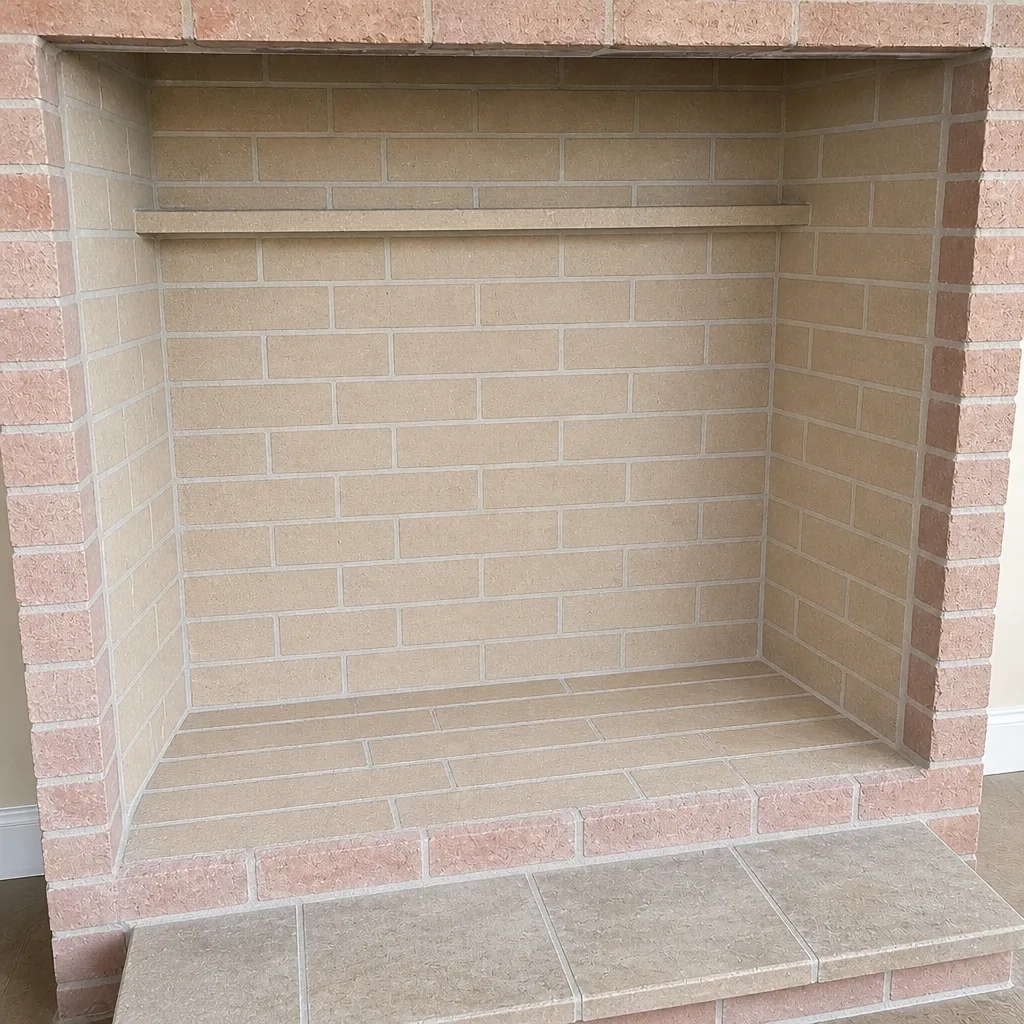
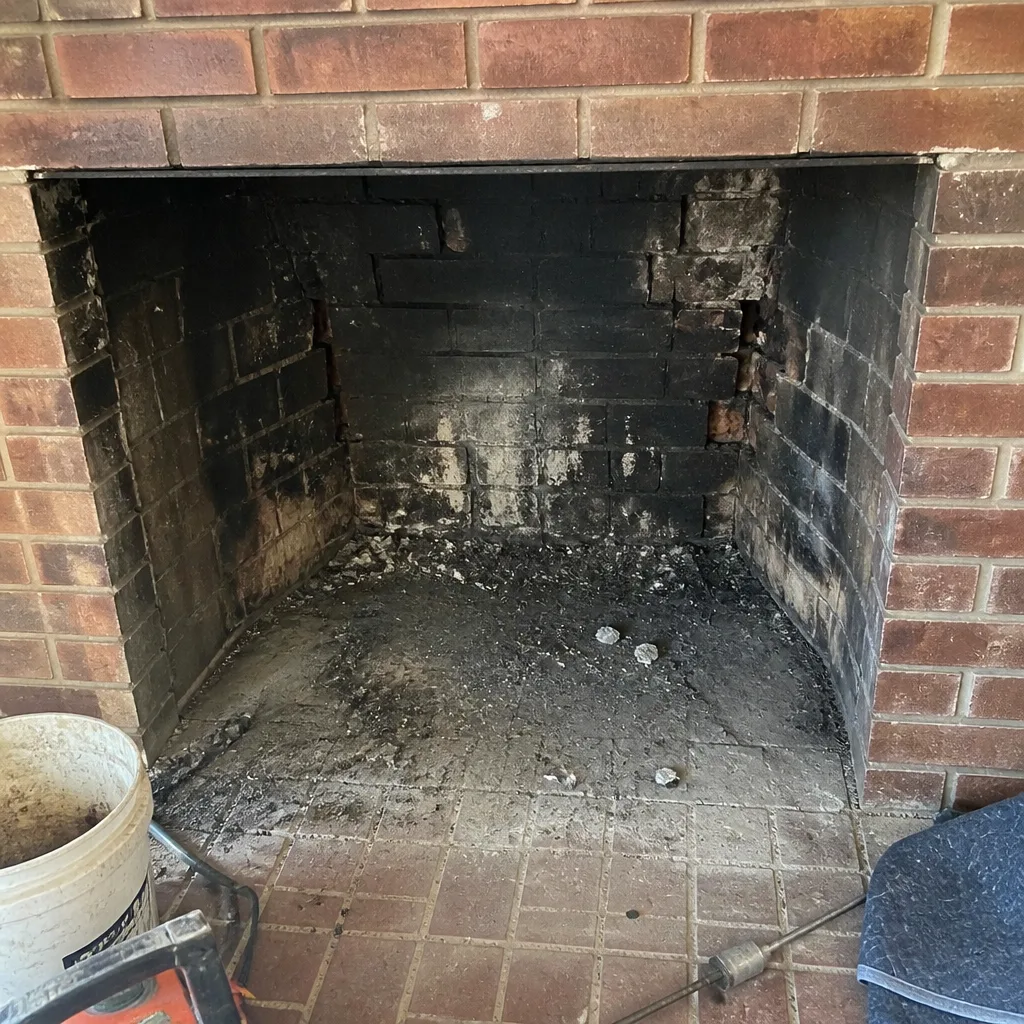
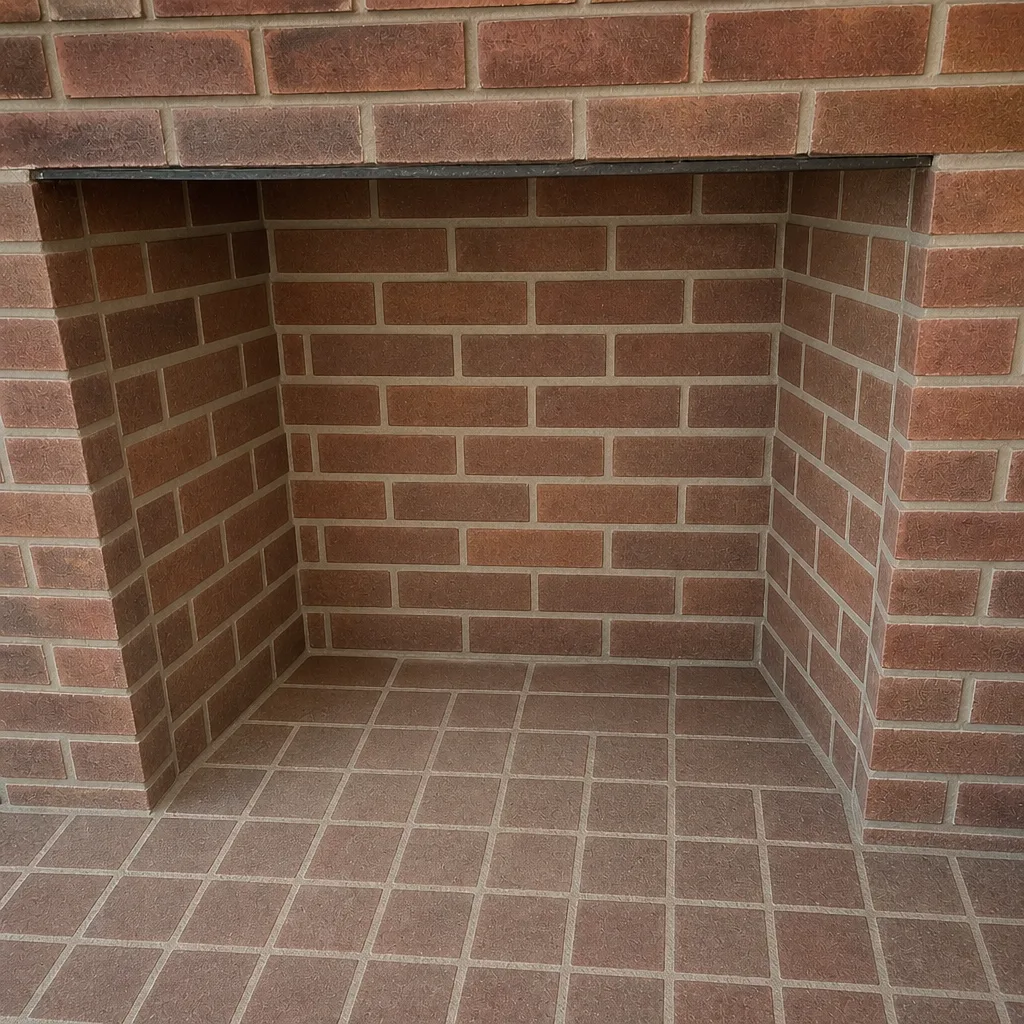
See the difference
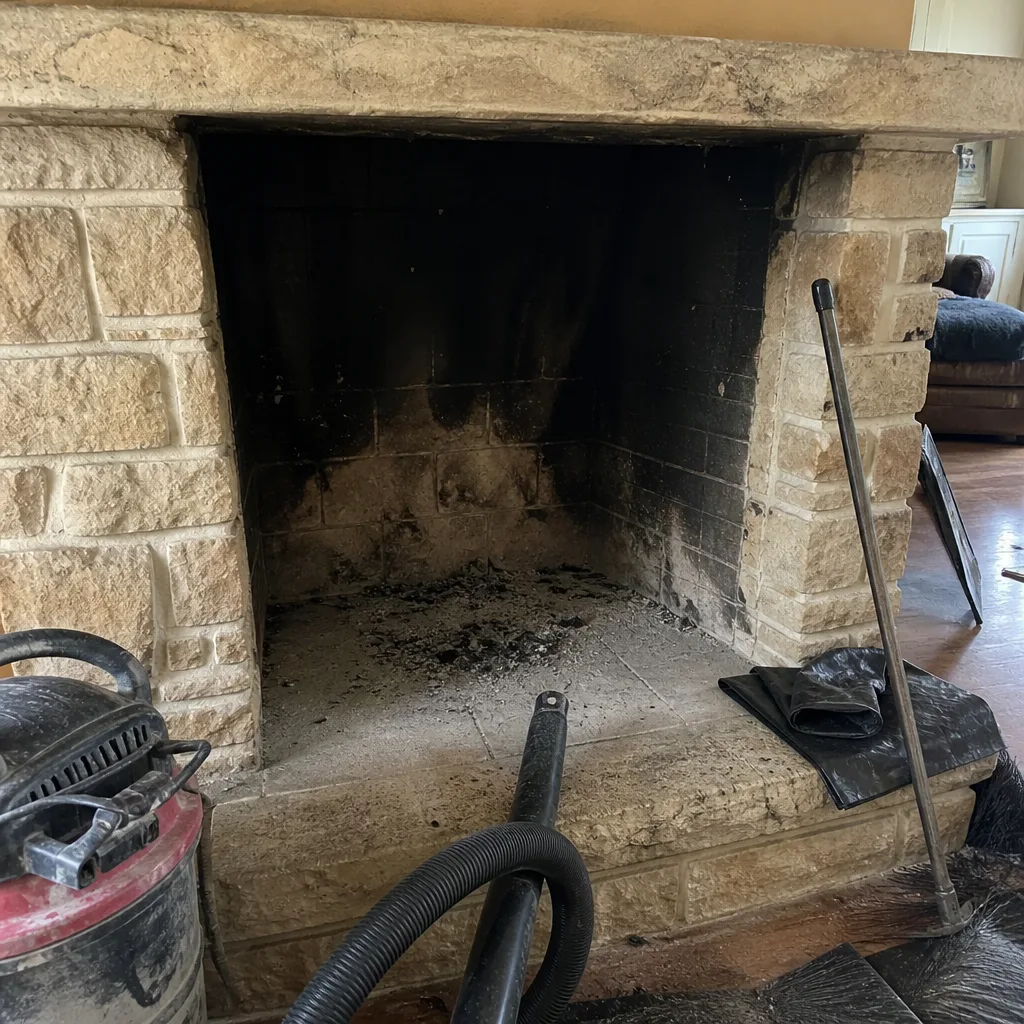 Before
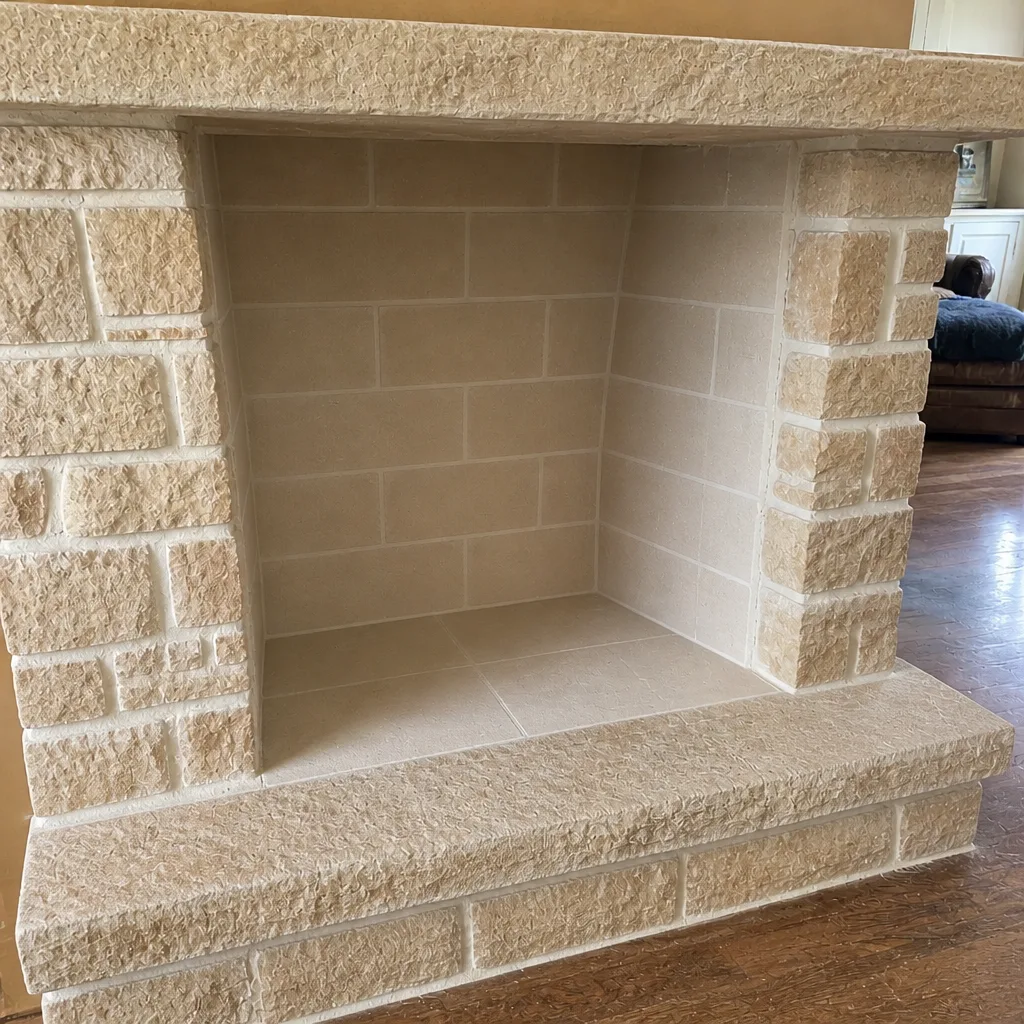 After
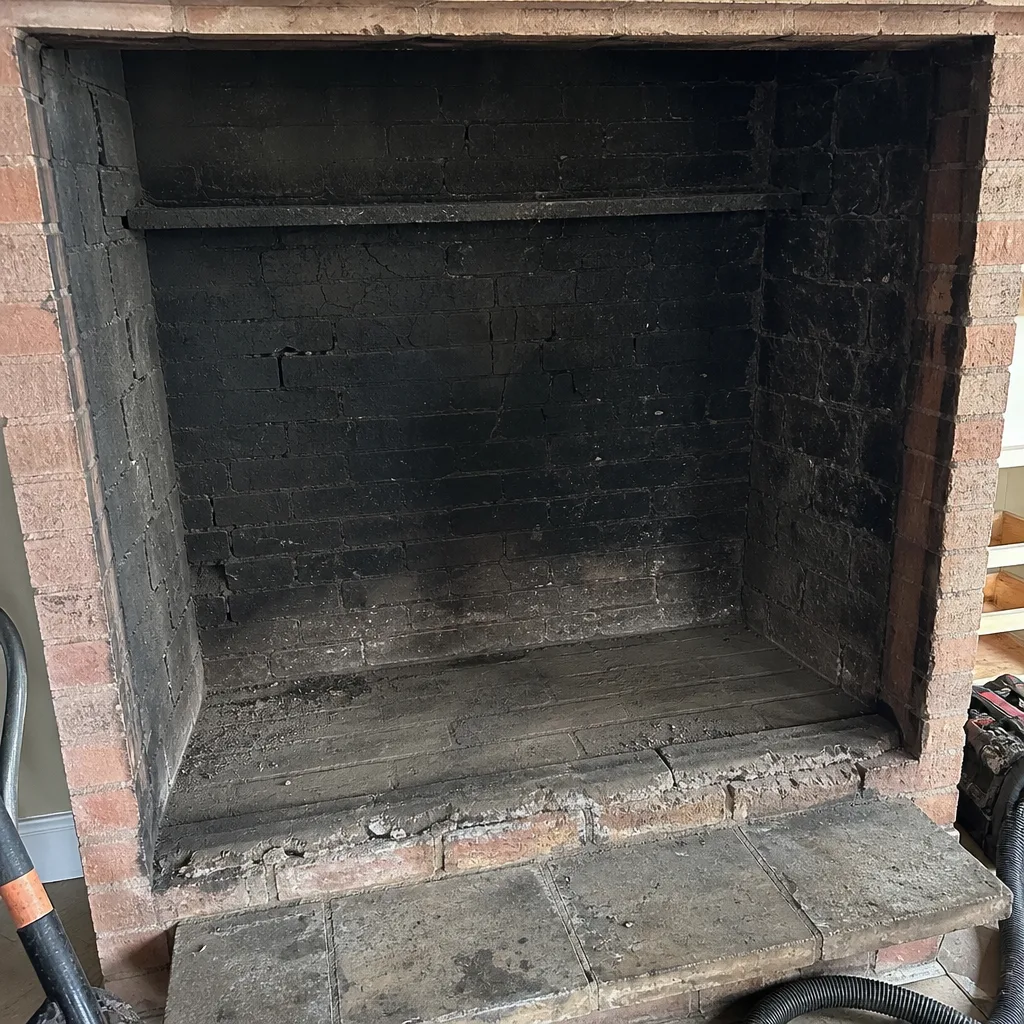 Before
 After
 Before
 After