
Last updated November 23, 2026
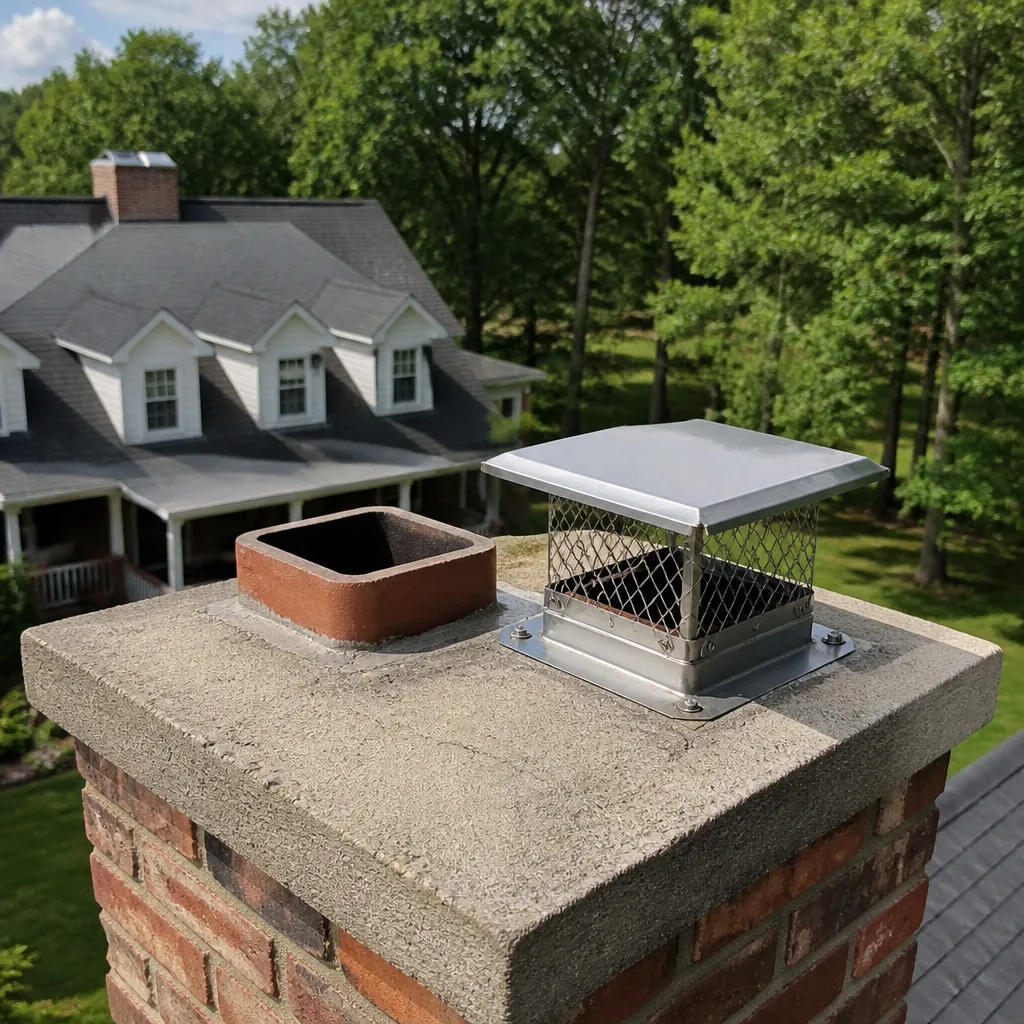 Sweep & inspection
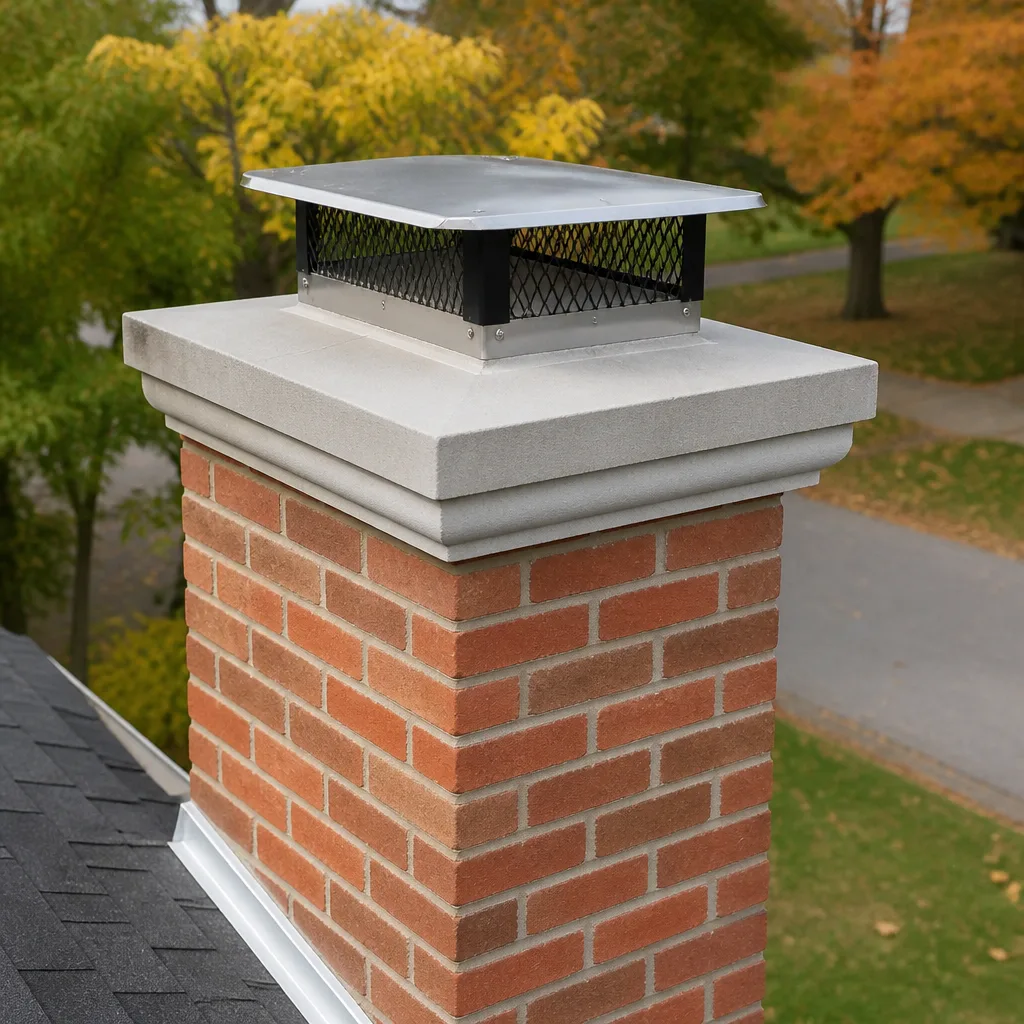 Caps & crowns
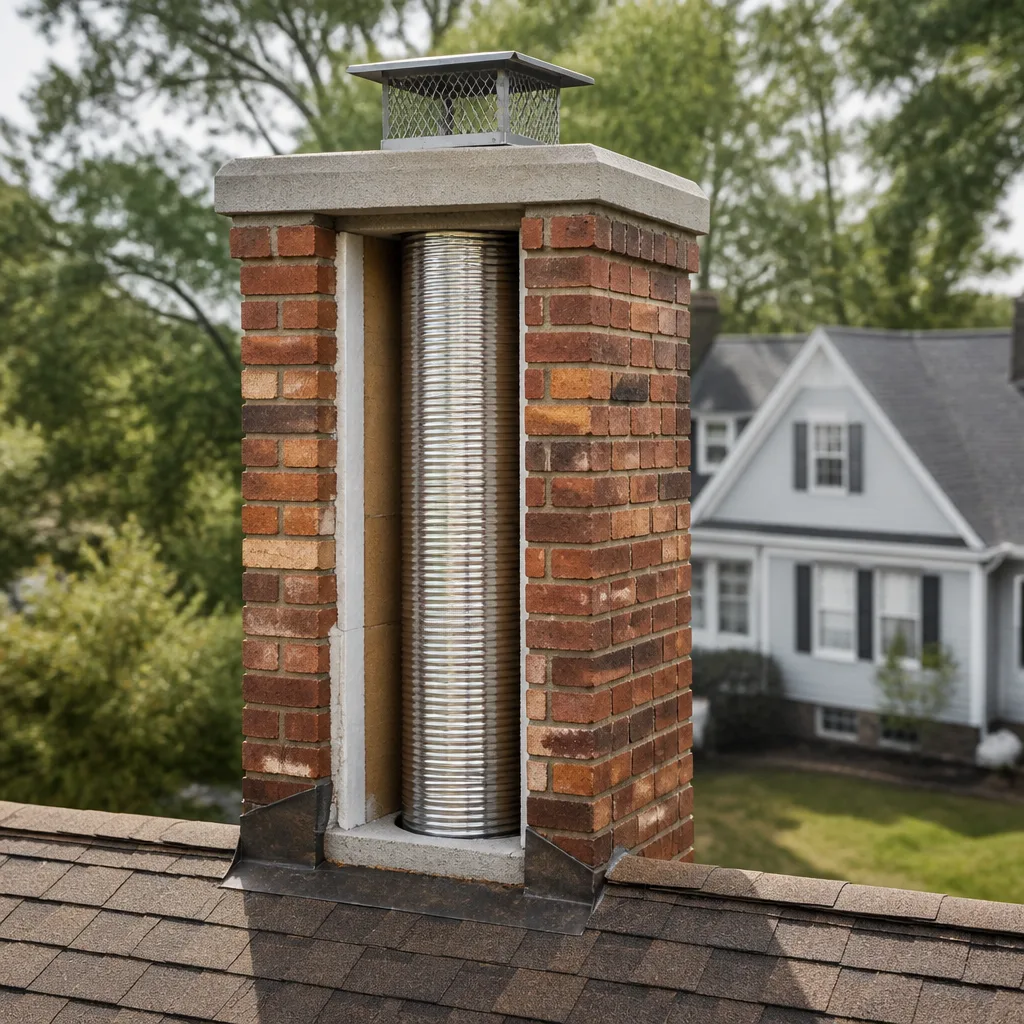 Flue relining
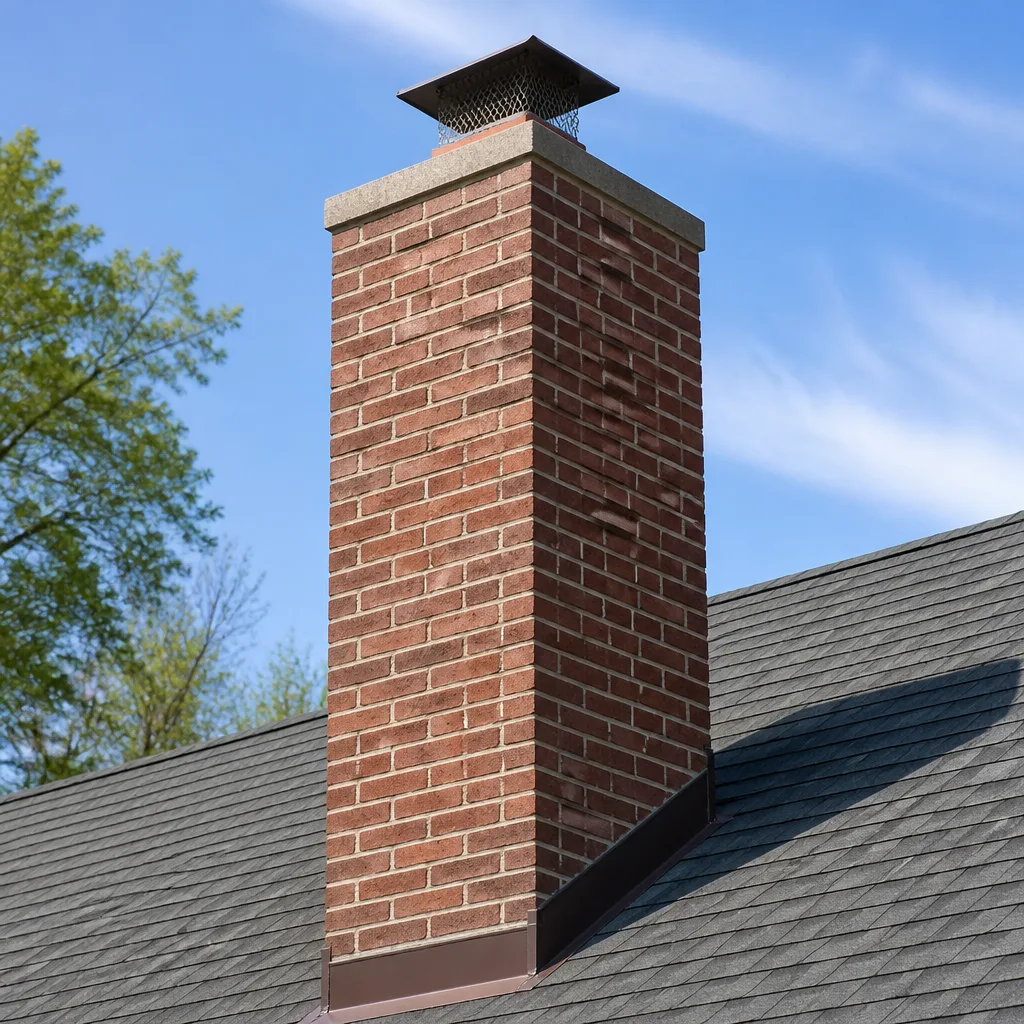 Masonry repair
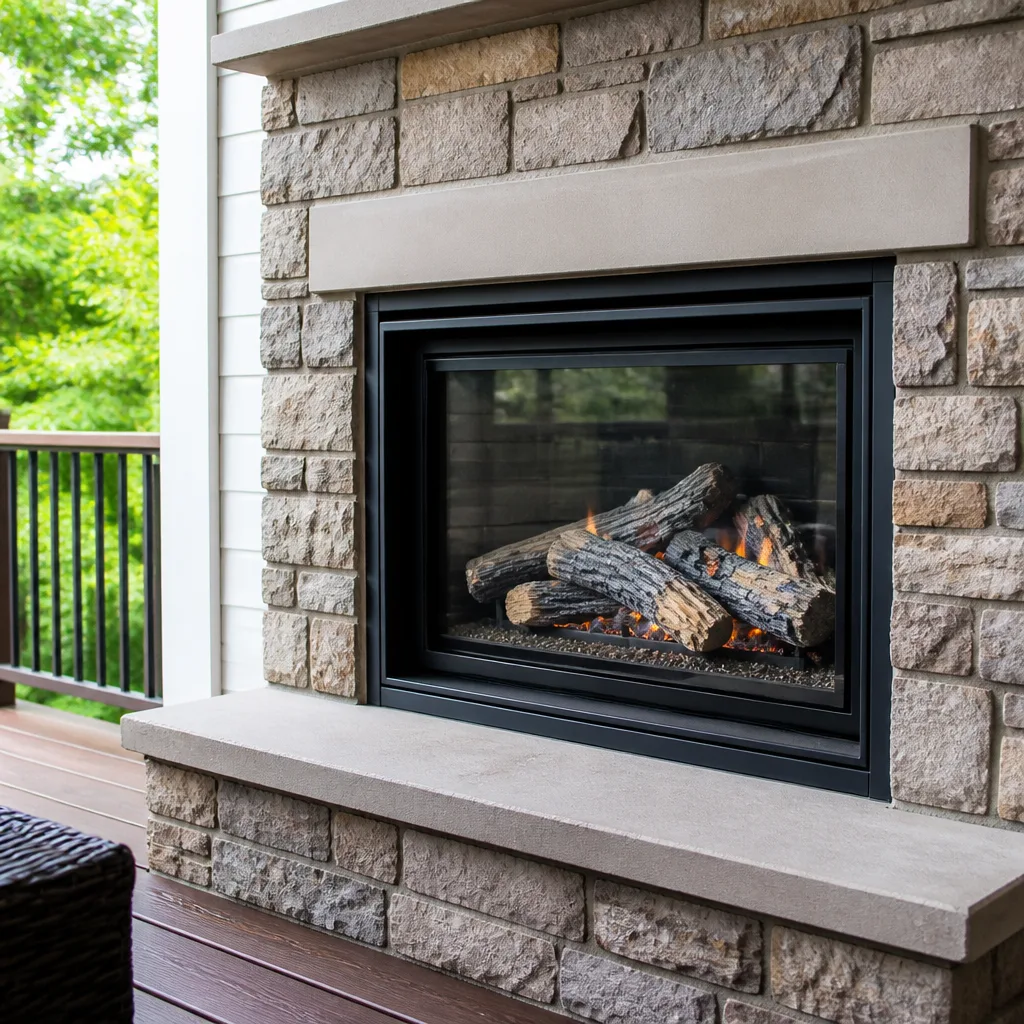 Gas fireplace service
Level 1 sweep and inspection to the NFPA 211 annual standard - flue, crown, cap, and flashing checked and photographed
Chimney sweep logs do not sweep chimneys. They loosen some creosote - which then falls where a brush and vacuum still have to collect it.
Seasonal Chimney Cleaning Care for Castle Rock: Year-Round Homeowner’s Guide
Most homeowners schedule chimney cleaning once a year, in fall. That habit makes sense if you live somewhere with mild weather and a short burn season. But here in Castle Rock, spring is when masonry takes the most damage, and almost nobody is looking at it. Late snow sits on the crown, melts into mortar joints by day, then refreezes after dark. Wind-driven spring storms strip flashing. Summer sun bakes the cap until the sealant gives up. A single fall sweep catches the creosote but misses all of that destruction. This guide maps the seasonal maintenance actions that actually match Castle Rock’s weather calendar, season by season, so you’re checking the right parts of your chimney at the right time of year.
Quick Answer
A chimney in Castle Rock needs more than one annual cleaning. It needs a spring inspection after snowmelt to catch freeze-thaw damage, a summer check on caps and flashing to catch UV and wildlife problems, a fall sweep timed to the first cold snaps, and a mid-winter draft check for heavy-burn households. Cleaning addresses creosote. Seasonal inspection addresses the structural damage that Castle Rock’s elevation, wind, and temperature swings cause year-round. You need both, and they happen on different schedules.
Styles & brands we work with
- Sweep & inspection
- Caps & crowns
- Flue relining
- Masonry repair
- Gas fireplace service
Table of Contents
- Why Castle Rock’s Climate Demands Seasonal Chimney Care
- Spring: What Freeze-Thaw Cycles Do to Your Masonry
- Summer: UV Damage, Wildlife, and Cap Degradation
- Fall: Timing Your Sweep Right
- Winter: Mid-Season Checks for Heavy Burn Households
- How to Build a Castle Rock Chimney Calendar
- Common Mistakes to Avoid
- Frequently Asked Questions
Why Castle Rock’s Climate Demands Seasonal Chimney Care
At roughly 6,200 feet, Castle Rock sits high enough that the freeze-thaw cycle runs from October into May. That single fact drives most of the premature chimney damage we see. Water gets into a hairline crack in the crown or a porous patch of mortar during a warm afternoon, freezes solid overnight, expands about nine percent, and widens the crack. Repeat that a few dozen times over a winter and a small cosmetic flaw becomes a structural opening. A fall-only maintenance routine never catches this because the damage accumulates hardest in the shoulder months, when temperatures swing hardest.
The other local factor is wind. Spring storms off the Front Range push hard against chimney caps, loosening fasteners and lifting crown edges. Summer brings intense UV at this elevation, which degrades the mastic sealant around flashing and dries out cap material faster than at lower altitudes. Winter adds the freeze cycle on top of everything. So Castle Rock’s chimney stress varies by season, and each season attacks a different part of the system.
Here’s how the risk breaks down by component:
- The crown (the concrete cap at the top of the masonry) takes the most freeze-thaw punishment, cracking first in spring.
- Mortar joints weather from wind and moisture, then crumble through winter freeze cycles.
- Brick faces spall (flake off) when absorbed water freezes just under the surface.
- The flue liner wears from creosote and acidic moisture buildup through the burn season.
- Caps and flashing degrade from UV, wind load, and wildlife intrusion through summer.
The point is not that Castle Rock chimneys are fragile. It’s that the system gets hit from several directions, and a single annual sweep only serves one of them. If you want the full picture of how sweeping and inspection fit together, our Castle Rock Chimney Sweep overview walks through the core services.
Spring: What Freeze-Thaw Cycles Do to Your Masonry
Spring is the most important inspection point of the year in Castle Rock, and it’s the one most homeowners skip. The reasoning is simple: by the time the snow fully melts, winter has already done its work. Freeze-thaw stress peaks in late winter and early spring, when daytime sun warms the masonry and overnight temperatures drop below freezing. That daily swing is what opens cracks in the crown, loosens mortar, and pops faces off the brick.
What should you inspect after snowmelt? You don’t need to climb anything. Much of it is visible from the ground.
- Crown cracks. Look for hairline or wider cracks in the concrete top, and for any edge that’s separated from the masonry. A cracked crown lets water run behind it into the structure, which is the start of most major chimney repairs.
- Mortar joint gaps. Check the visible mortar between bricks, especially on the sunny side. Crumbling, sandy, or recessed joints mean water is getting in.
- Spalled brick. Brick faces that are flaking, chipped, or leaving grit on the roof below are freezing and thawing with water inside them.
- White staining. Chalky white deposits on the brick (efflorescence) mean moisture is moving through the masonry. It’s a signal, not a cosmetic problem.
- Interior water marks. Rust-colored or dark stains on the ceiling or firebox walls after spring storms point to a flashing or crown leak.
A cracked crown is a moisture problem, and moisture is the root cause of most chimney decay. Repairing it early with a proper crown coat is far cheaper than rebuilding the top of the chimney later. This is exactly where a repair-focused approach beats a cleaning-only one. For a closer look at structural fixes, see our chimney repair services.
Summer: UV Damage, Wildlife, and Cap Degradation
Summer looks like the chimney’s easy season. The fire’s out, nothing’s burning, so surely nothing needs attention. That reasoning leaves the system’s most exposed parts unguarded for months. Two things happen to a Castle Rock chimney in warm weather: sun and wind age the closures at the top, and an unused flue becomes a vacant building that wild animals move into.
UV degradation is real at this elevation. Intense sun dries and cracks the sealant around flashing, which is the metal that keeps water out where the chimney meets the roof. It also breaks down rubber or composite seals around caps. Once those seals fail, the next rain event gets inside. Meanwhile, warm dry weather loosens the soil around the chimney foundation slightly and lets small roof vibration widen cable or fastener gaps. All of it goes unnoticed until fall.
Wildlife intrusion is the other seasonal surprise. Birds, squirrels, and raccoons look for shelter and find an open or uncapped flue. A nest near the top blocks airflow. When you light the first fall fire, the smoke has nowhere to go, and the smoke backs into the house instead of up the flue. A proper chimney cap closes off that entry point. Our cap and crown installation uses caps and crowns from established manufacturers like Famco and Olympia Chimney, matched to the flue size.
What to check in summer:
- Flashing sealant around the chimney base at the roofline. Cracking means resealing before fall rain.
- Cap condition. Look for rust, loose fasteners, or a cap sitting crooked after wind.
- An open flue. If you can see straight down the flue, it’s exposed to rain, birds, and debris. A cap fixes that.
- Any noise from the chimney. Scratching or flapping from inside the flue points to nesting animals.
Summer is also the calmest time to schedule scheduled work. There’s no rush, no smoke in the house, and no waiting on a burn-season backlog. Booking a chimney sweep plus inspection in summer gives you a clean slate before the first cold snap.
Fall: Timing Your Sweep Right
The fall sweep is the one everyone remembers, and it’s still essential. Creosote builds up in the flue through the burn season, and a layer of it is what can ignite. But the timing matters more than most people realize. The conventional advice is to clean early in fall, before the first fire. In practice, cleaning too early leaves you exposed to a second wave of problems.
Here’s the trap. If you sweep in early September, you still have weeks of fall wind, leaves, and debris ahead. Debris and loose soot can settle back into a flue you just had cleaned. And more importantly, cleaning too early means you go through the first cold snaps with no fresh inspection, so if a bird’s nest or a newly cracked crown appeared over the summer, you won’t know until something goes wrong. The better window is after the first real cold snap but before heavy, daily burning begins. That timing catches fall debris, checks the results of summer, and confirms the flue is ready for sustained use.
What a proper fall visit should include:
- A full sweep of the flue, firebox, and smoke chamber.
- A camera inspection of the interior liner to see creosote staging and any cracking or gaps you can’t see from below.
- Exterior check of the crown, cap, flashing, and mortar in its post-summer state.
- A written report with photos so you have something to look at rather than a verbal “you need work.”
If inspection finds the liner has broken down, we can restore it with HeatShield ceramic liner repair rather than opening a wall or rebuilding. That capability matters more than it sounds, because many sweep-only operations have to refer that work elsewhere. Fall is also the right time for fireplace repair so a damaged firebox doesn’t carry into winter.
Winter: Mid-Season Checks for Heavy Burn Households
If you burn wood often through winter, one annual sweep isn’t enough to know how the flue is doing six weeks into the season. A mid-winter check catches creosote buildup while it’s still manageable and confirms the draft is drawing the way it did in fall. Draft problems are the winter symptom most worth paying attention to, and they usually mean one of four things.
- Creosote buildup. A thick layer narrows the flue and reduces draw. More buildup means less draft, which means more incomplete burning, which means more buildup. It’s a cycle.
- A blocked or partially blocked flue. Debris or an unnoticed nest near the top cuts airflow.
- Cold-flue effect. A very cold flue at the start of a burn pushes smoke out weakly until the chimney warms. If the draft is only poor for the first few minutes, this is often why.
- A failing liner or smoke chamber. Cracks or gaps can let smoke spill into the house rather than up and out.
Smoke on cold starts or after adding wood is normal. Smoke rolling or refusing to clear through a well-warmed chimney is not. Carbon monoxide risk goes up when a flue doesn’t draw properly, so it’s worth checking a carbon monoxide detector on every level of the home through the burn season, not just once. A chimney that drafts poorly or produces smoke in the house is a reason to stop using it until someone qualified looks at it.
For heavy-burn homes, a mid-January check on the flue and draft is a small step that prevents a much bigger problem come October. Keep asking how your chimney is doing through the weeks you use it most, not only at the start.
How to Build a Castle Rock Chimney Calendar
The generic “spring and fall” advice you’ll find online doesn’t fit Castle Rock’s weather. The town rests against the Front Range at high elevation, which shifts the seasonal risk pattern: winter runs long, the freeze-thaw window is wide, wind storms hit in spring, and the sun is strong all summer. Here’s a calendar organized around that.
- Late winter / early spring (snowmelt). After the last significant snow melts, inspect the crown, mortar, brick faces, and flashing. This is your structural check. Repair cracks and loose mortar before they grow.
- Late spring (after spring storms). Recheck the crown and cap after wind season. Confirm flashing fasteners are snug and the cap hasn’t shifted. Watch for the first signs of wildlife in an open flue.
- Summer. Inspect caps and flashing for UV degradation. Cap any open flue. Schedule the fall sweep and inspection now, while the trade is calm, so you’re not stuck behind a backlog in October.
- Early fall (before daily burning). Full sweep plus camera inspection plus exterior check, with a written photo report. Time it after fall wind has settled and before you burn every day.
- Mid-winter. If you burn heavily, do a flue and draft check. Watch for smoke in the house and recheck carbon monoxide detectors.
That calendar has five checkpoints instead of two. Each one lines up with a specific Castle Rock stressor: freeze-thaw in spring, wind and sun in summer and late spring, debris and creosote in fall, and draft in winter. The materials you use matter too. In our experience, work that lasts through this climate starts with the right components, which is why we fit caps and crowns from brands like Famco and Olympia Chimney and restore liners with HeatShield. A cap that fails after one summer of Castle Rock sun isn’t saving anyone anything.
What technicians look for at each checkpoint
Our technicians have up to 8 years of experience, and a single chimney can present a different problem at each visit. Spring tends to surface masonry and crown issues. Summer surfaces cap, flashing, and wildlife issues. Fall surfaces creosote and liner condition. Winter surfaces draft and flue obstruction. That’s why the seasonal balance matters: the same chimney, at four points in the year, can give four different answers about its health.
Common Mistakes to Avoid
We’ll be direct about the things that turn a manageable chimney problem into an expensive one. Most of these come from treating the chimney as a cleaning job instead of a structural system.
- Scheduling only a fall sweep. A single annual visit catches creosote but misses the freeze-thaw and UV damage that builds through the rest of the year. Castle Rock’s climate makes this a real gap, not a technicality.
- Cleaning too early in fall. An early-September sweep leaves you unchecked after fall debris accumulates and before you start burning. Time it later, just before daily use starts.
- Ignoring a cracked crown because the fire still works. The crown is where water enters the masonry. Water is the root cause of most structural damage. A fire that works today says nothing about the crown’s condition.
- Leaving an open flue through summer. An uncapped flue invites nesting animals. When fall comes, their nest blocks the flue and smoke backs into the house. A cap settles it.
- Trusting a vacuum-only sweep. A company that cleans without a camera inspection has no way to show you what’s inside the liner. A sweep should always end in inspection and a photo report.
- Clearing a smoky flue with more wood. If smoke won’t clear through a warmed chimney, stop. A poorly drawing flue is a carbon monoxide risk, and the right move is to stop using it and get it inspected.
- Skipping mid-winter checks in heavy-burn homes. Six weeks of daily burning can build creosote fast. If you burn a lot, look at the flue mid-season, not just at the start.
See the difference
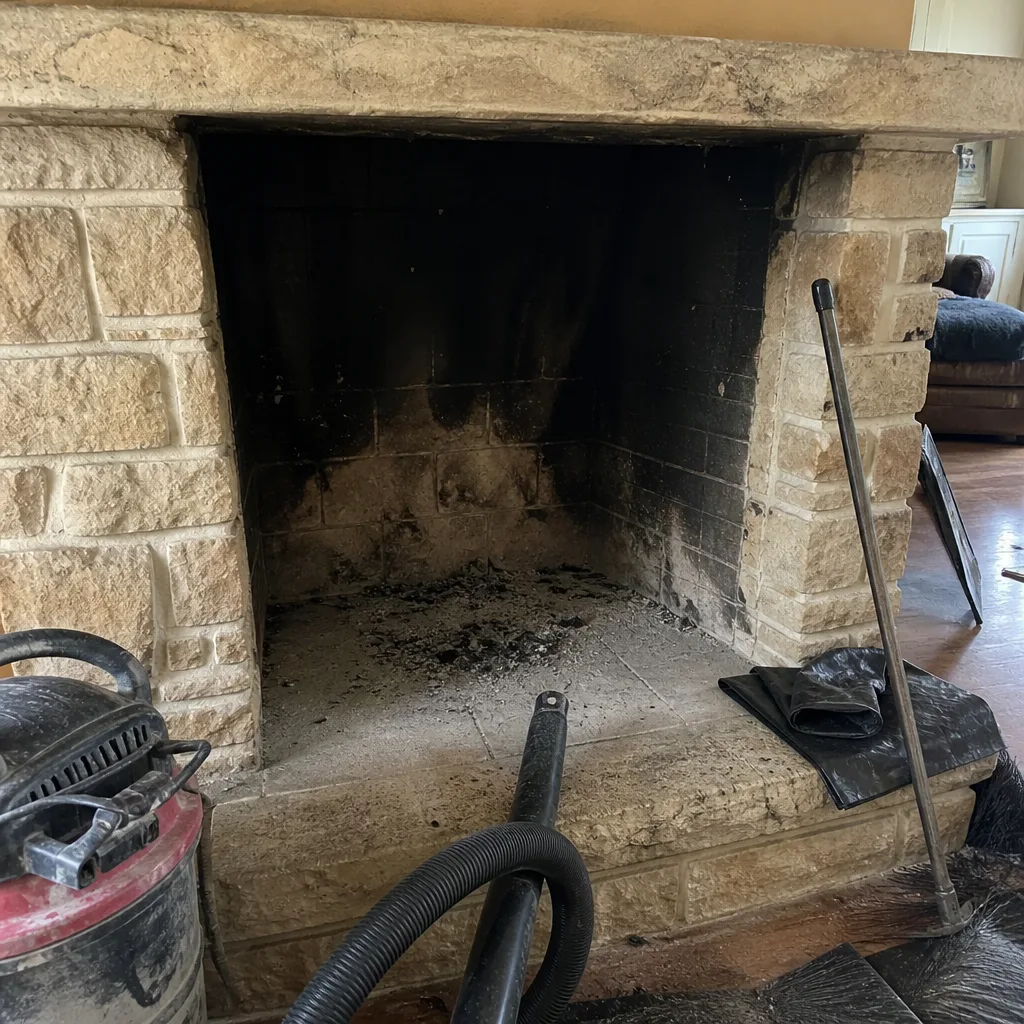 Before
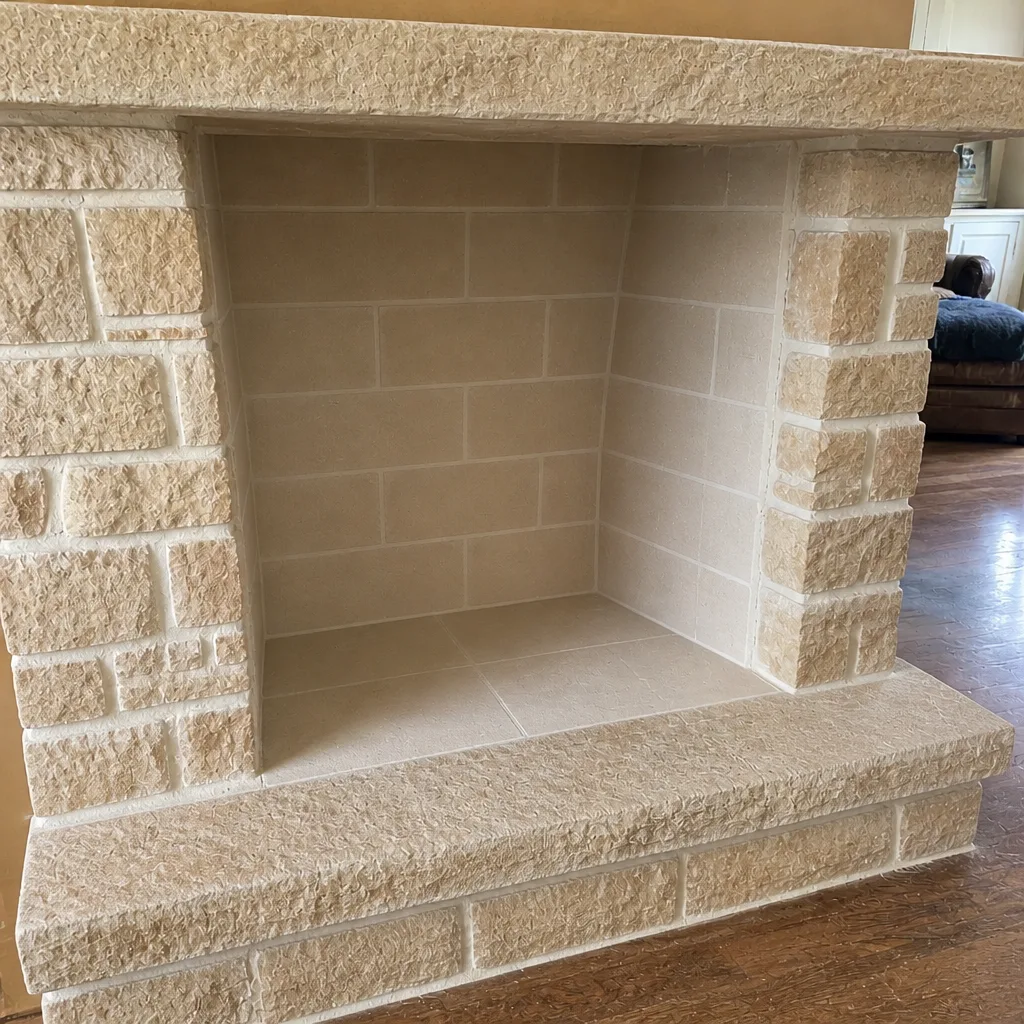 After
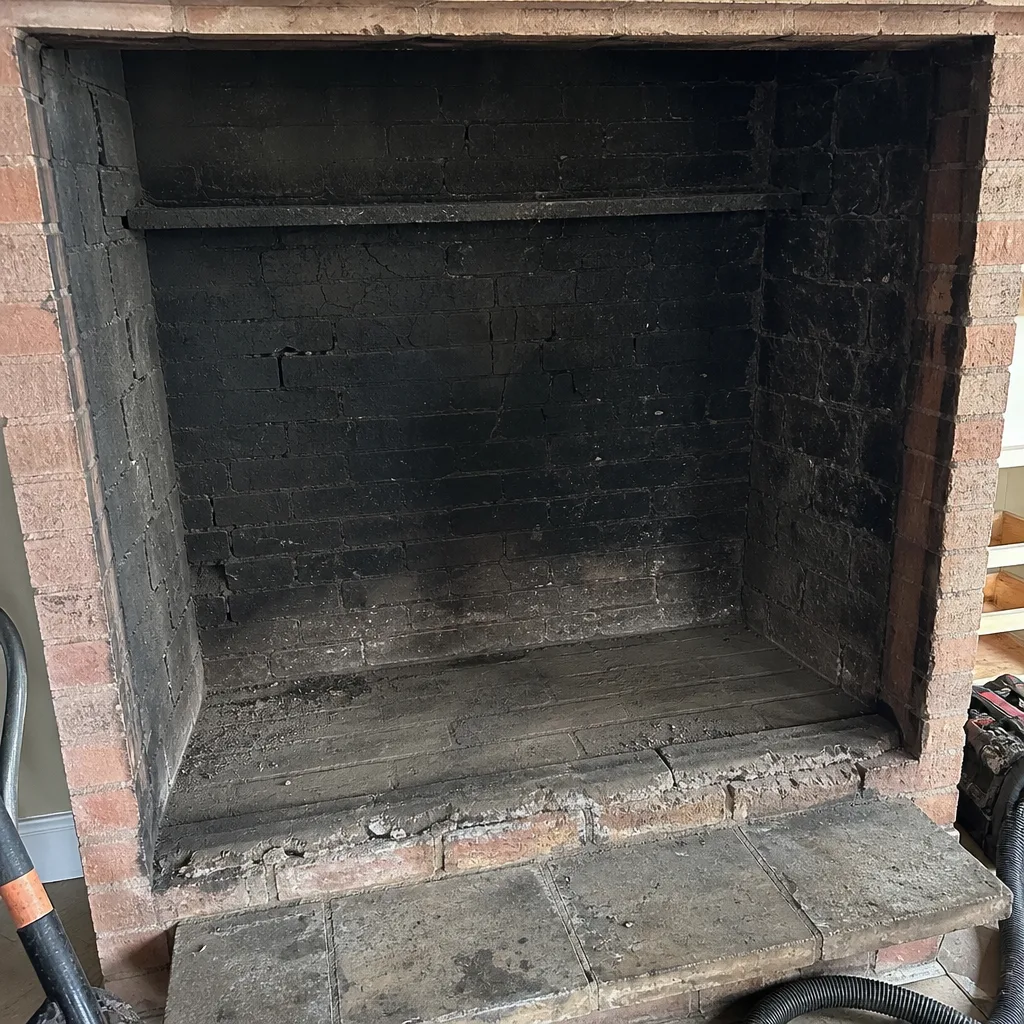 Before
 After
 Before
 After
When to Call a Professional
Some of this is inspection a homeowner can do from the ground. Other parts should go to a trained professional, and the line is fairly clear. Call a professional when you see smoke backing into the room, when a carbon monoxide detector goes off or when the flue stops drawing well. Call when there’s visible cracking in the crown, crumbled mortar, or water staining inside the firebox or on the ceiling. Call after any chimney fire, even a small one. Call if an animal is inside the flue or if a cap has come loose. And call for every scheduled sweep and camera inspection, because the interior of a flue is not something to assess from the ground. Castle Rock Chimney Sweep offers free estimates in Castle Rock. Call (844) 883-7423. We answer 24/7. Fast dispatch from 7am to 7pm, Sunday through Friday. When a call comes in outside dispatch hours, we book it into the next opening, Sunday through Friday, 7am to 7pm. Nothing is recommended without camera evidence you can see for yourself, and we’ll tell you plainly when work can safely wait.
For any safety-related question, lean toward a pro. Creosote ignition, carbon monoxide, and structural masonry are not things to guess at.
Frequently Asked Questions
Once a year is the minimum for most homes, timed after fall debris settles and before daily burning begins. Homes that burn heavily, and homes where a lot of creosote builds up, benefit from a mid-winter check on top of the annual sweep. The right interval depends on how much you burn and what the camera inspection shows, not a fixed number for every house.
Because spring is when freeze-thaw damage shows up. Castle Rock’s wide temperature swings over winter crack crowns, loosen mortar, and spall brick, and the damage is easiest to catch after snowmelt. A spring inspection lets you repair moisture openings before they grow into structural problems. Call (844) 883-7423 to schedule one. Estimates are free.
Cleaning is priced per job, and the written estimate sets the final price. We don’t quote a flat number before looking at the chimney, because flue condition, creosote level, and access all change the work. The estimate is free, so the cost of finding out exactly what your chimney needs is nothing. Call (844) 883-7423 for an exact quote.
Only if the camera shows the liner has actually broken down, and you’ll see that footage for yourself before anyone recommends it. Many liners don’t need replacement at all. When restoration is the right answer, HeatShield ceramic liner repair can rebuild the interior without tearing apart the chimney. If the liner is intact, we’ll say so, and say whether work can wait.
Creosote keeps building up, which raises the risk of a chimney fire. Water keeps working into cracked crowns and mortar, which is the root cause of most structural chimney damage in this climate. And a poorly drawing flue raises carbon monoxide risk. None of it is a scare tactic; it’s the ordinary consequence of a system that only gets checked once a year in a place with real seasonal extremes. Call (844) 883-7423 to get on a proper schedule.
Yes. An open flue through Castle Rock’s warm months is an invitation for birds and squirrels to nest inside it. When fall comes, that nest blocks the flue and smoke backs into your home. A cap from a manufacturer like Famco or Olympia Chimney closes the entry point and keeps rain and debris out as well. Estimates are free, so call (844) 883-7423 to price one.
Only briefly. A cold flue draws weakly until it warms, so a few minutes of weak smoke on a cold start is normal. What’s not normal is smoke that rolls or refuses to clear through a warm chimney. That points to creosote buildup, a blockage, or a failing liner, and it means stop burning and get it inspected. Call (844) 883-7423.
The Bottom Line
Castle Rock’s climate doesn’t let a chimney coast on one annual cleaning. The freeze-thaw cycle, spring wind, summer UV, and the long burn season each attack a different part of the system, and the right response is a calendar with matched checkpoints. Inspect the crown and masonry after snowmelt. Guard caps and flashing through summer. Time the fall sweep late enough to catch fall debris and early enough to start the season safe. Check draft mid-winter in heavy-burn homes. The through-line is inspection with camera evidence you can see, so you never spend money on repairs you can’t verify. That’s how a chimney in this town goes from one season to the next without surprises. From sweep to repair in one call, our team is here for the full cycle.
Call (844) 883-7423 for a free estimate. We answer 24/7. Fast dispatch from 7am to 7pm, Sunday through Friday.
Written by the team at Castle Rock Chimney Sweep.