
Last updated November 23, 2026
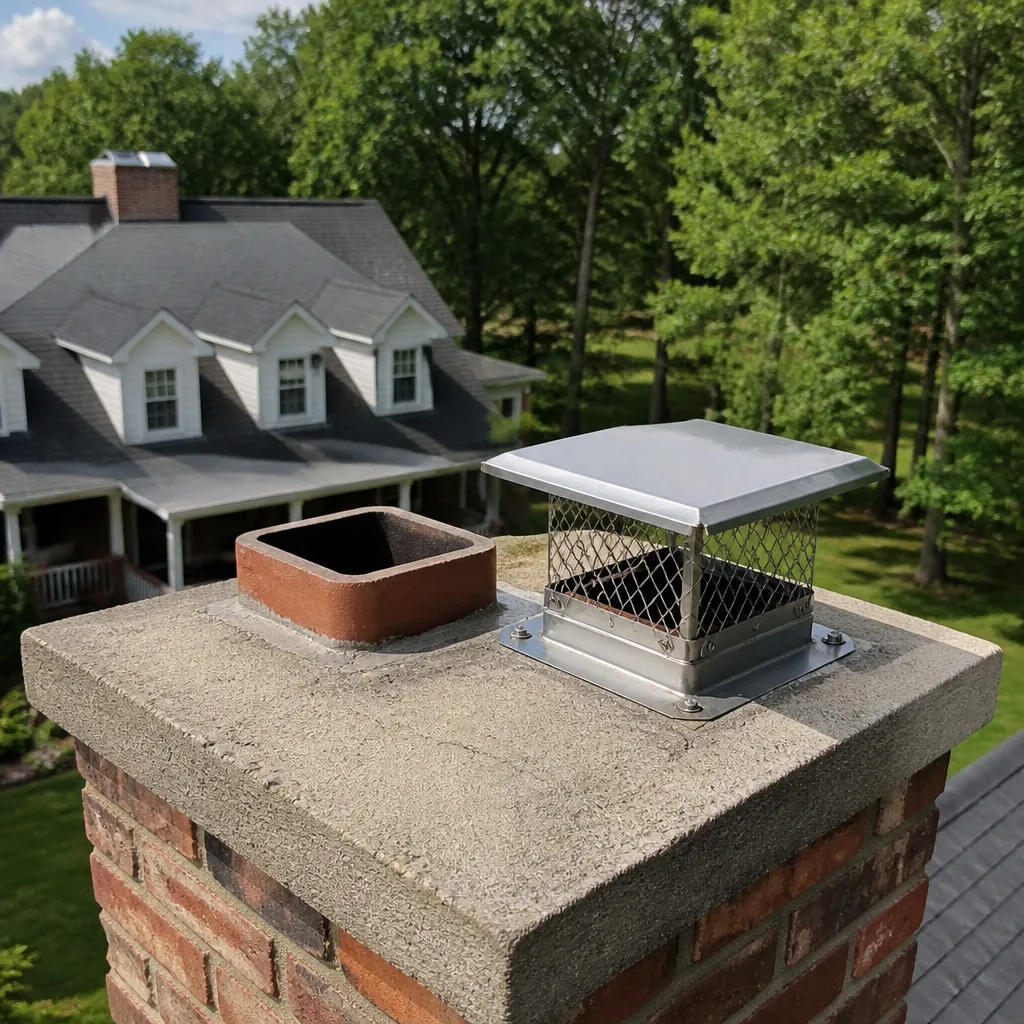 Sweep & inspection
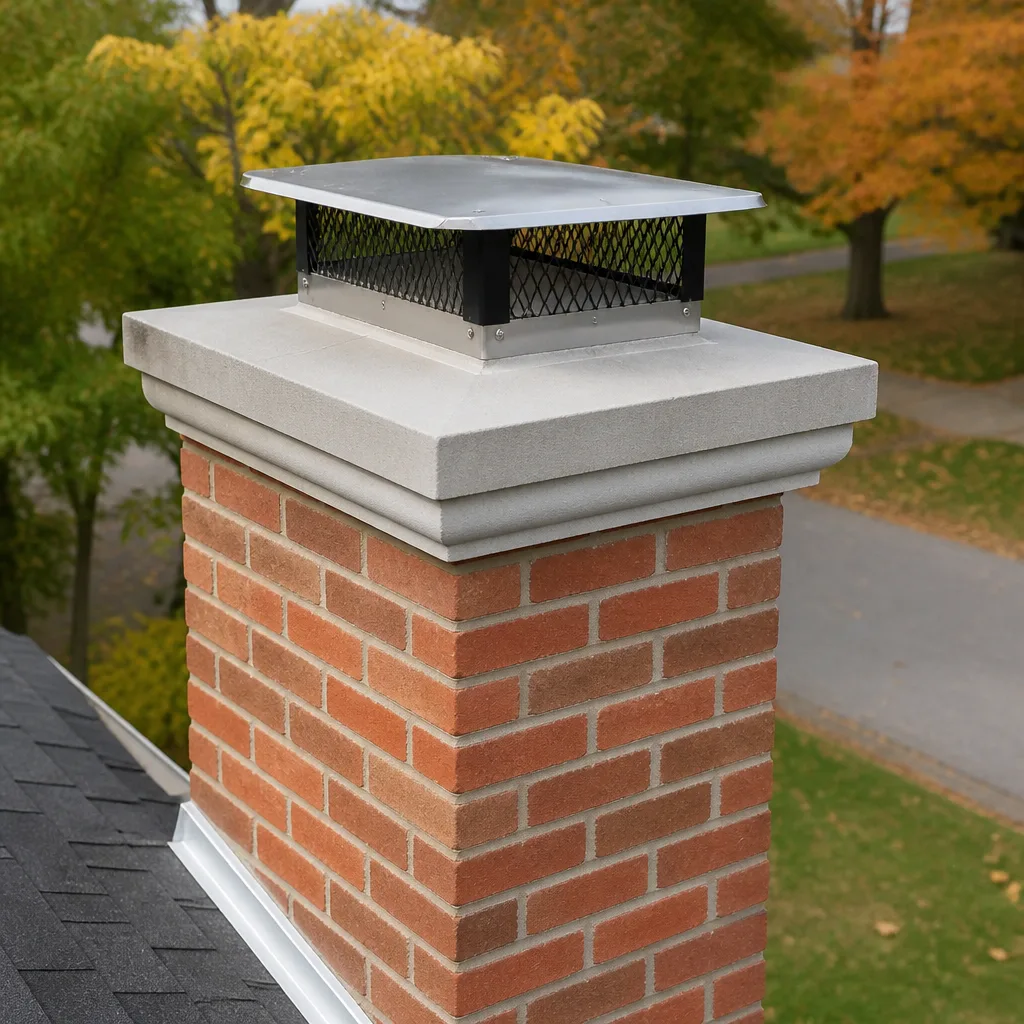 Caps & crowns
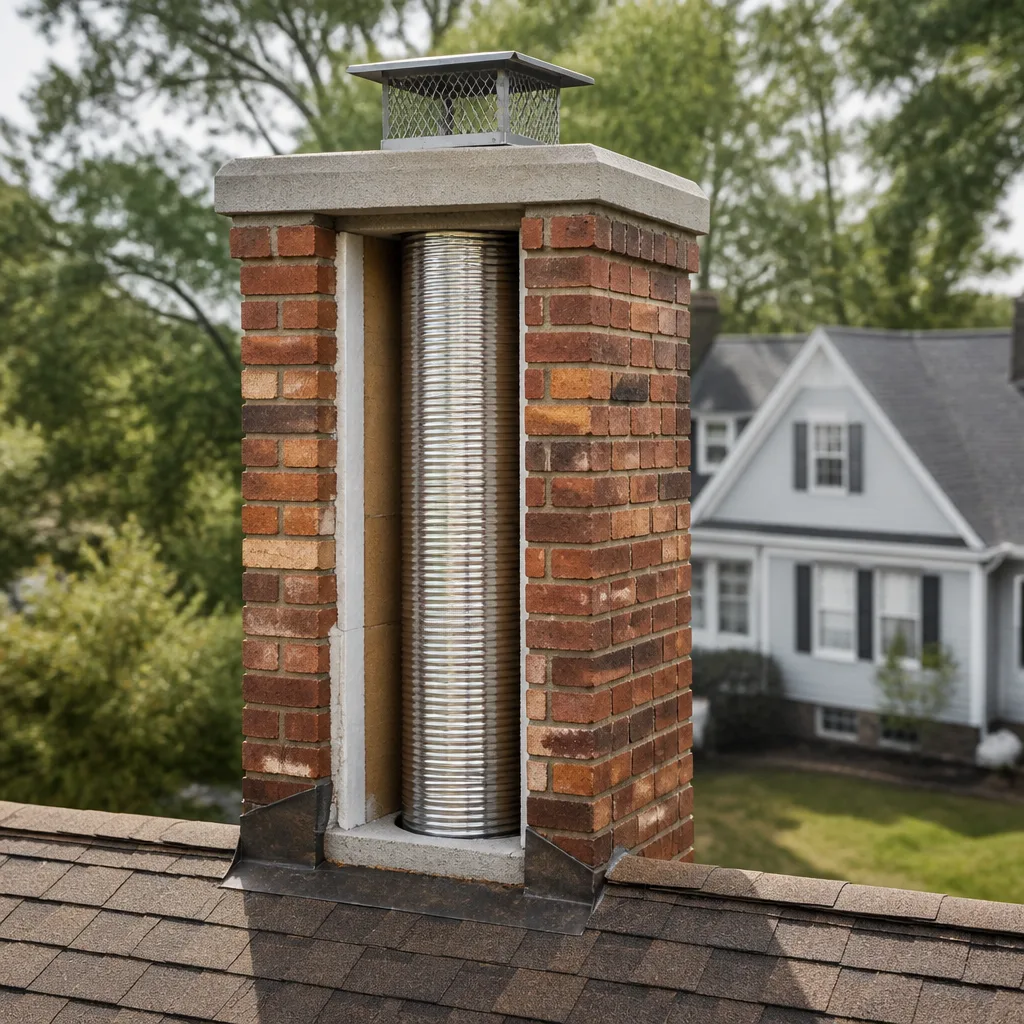 Flue relining
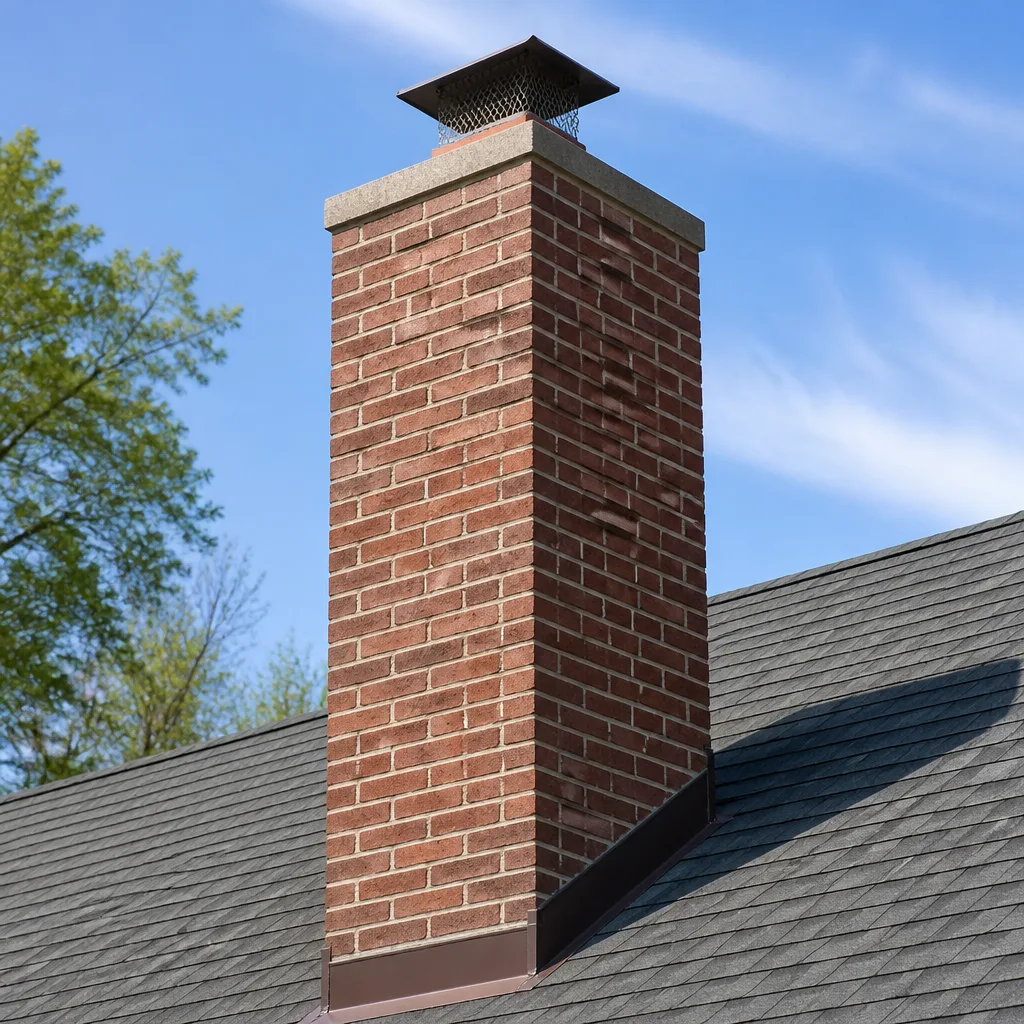 Masonry repair
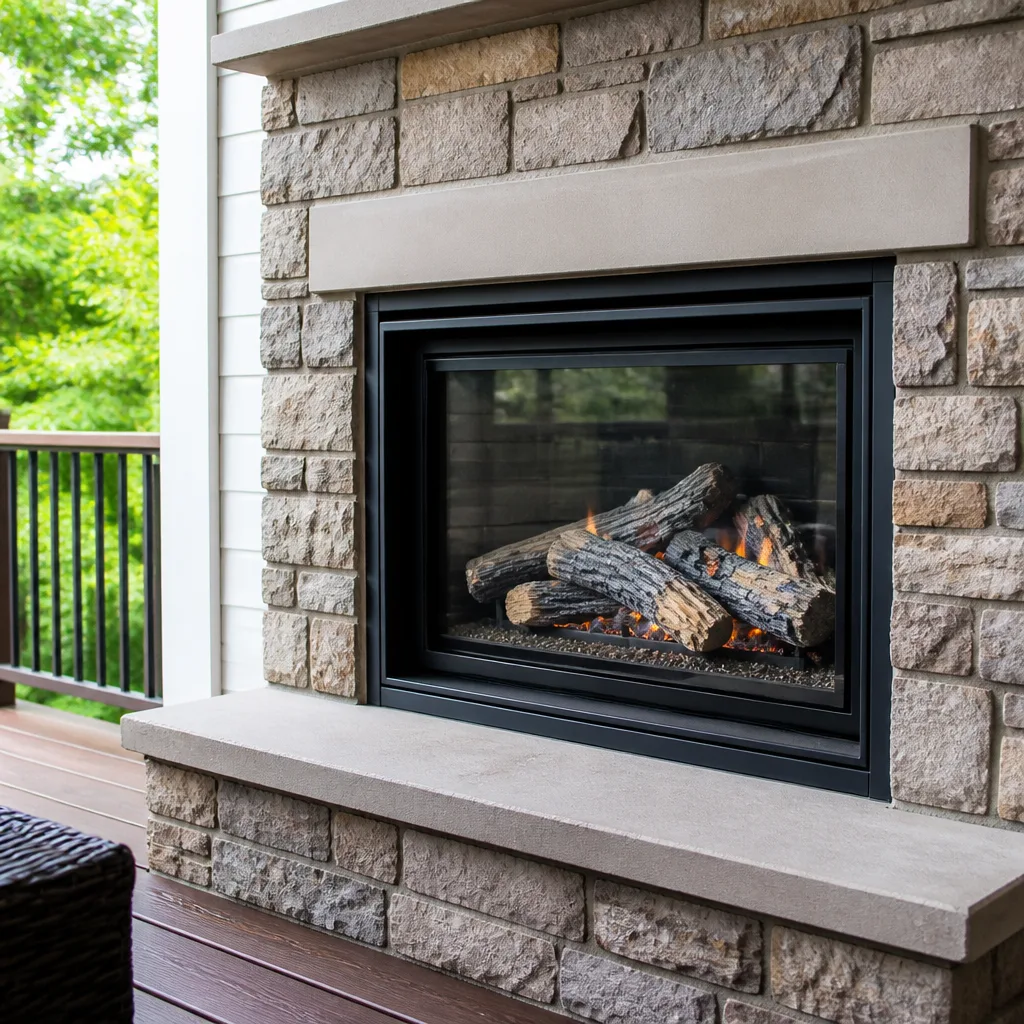 Gas fireplace service
Level 1 sweep and inspection to the NFPA 211 annual standard - flue, crown, cap, and flashing checked and photographed
Chimney sweep logs do not sweep chimneys. They loosen some creosote - which then falls where a brush and vacuum still have to collect it.
Chimney Cleaning Emergency Preparedness Guide for Castle Rock Homes
A chimney fire can burn at over 2,000°F inside your flue while the room you’re sitting in shows no visible sign of emergency – until it does. That gap between what’s happening in the chimney and what you can see from the couch is why preparation matters more than reaction. The homeowners who come through a chimney emergency well aren’t luckier than everyone else; they knew what to listen for, what to shut off, and who to call before anything went wrong. This guide walks through the full picture for Castle Rock homes: how to spot an active chimney fire in the first two minutes, how carbon monoxide behaves when a flue is blocked, what to do when wildlife moves in mid-season, why a fire-damaged chimney can’t go back into service without a proper inspection, and the information every household here should keep within arm’s reach. Castle Rock sits at elevation along the Front Range, where cold snaps come fast and furnaces and fireplaces run hard for months. That rhythm makes chimney readiness a seasonal necessity, not a someday project.
Quick Answer
If you suspect a chimney fire, get everyone out of the house, call 911, and don’t use the fireplace again until a certified inspector completes a Level 2 inspection. For routine prevention in Castle Rock, have your chimney swept and inspected before each heating season, keep working carbon monoxide detectors on every level near sleeping areas and the fireplace, and know your emergency contacts before you need them. A blocked or damaged flue is a carbon monoxide risk, not just a smoke problem.
Styles & brands we work with
- Sweep & inspection
- Caps & crowns
- Flue relining
- Masonry repair
- Gas fireplace service
Table of Contents
- How Do You Know If You’re Having a Chimney Fire?
- The First Two Minutes: What to Do Step by Step
- Carbon Monoxide and Your Chimney: The Invisible Risk
- What to Do If an Animal Is Blocking Your Flue
- After a Chimney Fire: Why a Level 2 Inspection Is Required
- Emergency Information Every Castle Rock Home Should Have Ready
- Preventing Chimney Emergencies Before They Start
- Castle Rock’s Heating Season and Your Chimney Schedule
How Do You Know If You’re Having a Chimney Fire?
Most chimney fires are quiet. A slow, smoldering creosote fire can burn for a while without anyone in the house noticing, which is exactly why sound and smell matter as much as sight. The loud, roaring chimney fire people picture is real, but it’s the less common version. In our experience, homeowners often describe the quiet kind after the fact: a faint popping, a smell they couldn’t place, a stain on the chase they hadn’t seen before. The signs to watch for split into three groups.
What you might hear
- A low rumble or roaring sound, like a distant freight train or a deep wind gust that doesn’t stop
- Loud popping or cracking from inside the chimney
- A vibration you can feel through the wall near the fireplace
What you might smell
- A strong, hot, tarry creosote smell that’s sharper than normal smoke
- Smoke backing into the room instead of drafting up the flue
- A burning smell with no fire in the firebox
What you might see
- Dark smoke or sparks coming from the top of the chimney
- Discolored, cracked, or blistered chase panels, or a warped chimney cap
- Creosote stains on the exterior of the chimney or a puffy, honeycombed texture inside the flue
- A damaged or glowing flue liner visible from the firebox
Any single sign is enough to treat the situation as an emergency. You don’t need to confirm it before acting. If something feels wrong with your chimney, get out and call 911. Castle Rock’s fire crews would rather check a false alarm than arrive late to a real fire.
The First Two Minutes: What to Do Step by Step
The first two minutes after you suspect a chimney fire decide how much damage the house takes. The sequence below is the order that keeps people safe first and property second. Memorize it now, while nothing is burning.
The exact sequence
- Get everyone out of the house immediately. Don’t stop to gather belongings. Don’t finish what you were doing. Everyone out, including pets if it’s quick.
- Call 911 from outside. Give your address and say plainly that you think your chimney is on fire. Stay on the line until they tell you to hang up.
- Close the fireplace doors and damper if you can do it safely on your way out. Cutting air to the firebox limits how much oxygen feeds the fire.
- Stay out of the house. Don’t go back in to check the flames or grab something. A chimney fire can spread into the attic or roof structure through cracks in the flue.
- Wait for the fire department to clear the scene. They’ll confirm whether the fire is out and whether the structure is safe to re-enter.
- Do not use the fireplace again until a certified chimney inspector has completed a Level 2 inspection. This is non-negotiable, and we’ll explain why in a later section.
What not to do
- Don’t throw water on the fire. In a hot flue, water can flash to steam and damage the liner or masonry, and it can send scalding steam back at you.
- Don’t use a fire extinguisher inside the firebox. A chimney fire lives up the flue, not in the firebox.
- Don’t wait to see if it goes out on its own. Chimney fires can reignite hours after they seem to be finished.
- Don’t call a sweep before you’ve called 911.
Being clear about this sequence is the single most valuable thing a household can prepare. A family that knows it will move faster and with less panic than one that reads it for the first time mid-emergency.
Carbon Monoxide and Your Chimney: The Invisible Risk
Carbon monoxide is the reason a chimney blockage is more than a smoke problem. When a flue is blocked by a bird nest, a collapsed liner, a fallen cap, or heavy creosote, combustion gases have nowhere to go but back into the house. CO is colorless and odorless, so nothing in the room tells you it’s building up. This is the risk that catches people by surprise, and it’s why a working carbon monoxide detector near the fireplace is not optional.
Where CO detectors belong in your home
- On every level of the home
- Inside or just outside each sleeping area
- In the living space near the fireplace, where combustion appliances run
- Near any gas appliance: furnace, water heater, range, dryer
Follow the manufacturer’s instructions for placement and monthly testing. If a detector alarms, treat it as a real event. Get everyone out, call 911, and don’t re-enter until the fire department tells you the air is safe.
Early warning signs of CO in the home
- Headaches, dizziness, or nausea that ease when you leave the house and return when you come back
- Flu-like symptoms in multiple family members at the same time, with no fever
- Stuffy, stale air that doesn’t clear
- Soot or discoloration around the firebox or vents
- A pilot light or gas flame that keeps going out
If you have any of these signs and no explanation, step outside and call 911 first. Then get a chimney inspection before you use the fireplace again. In Castle Rock, where homes run fireplaces and furnaces hard through long cold stretches, the window for a blockage to cause trouble is longer than in milder climates. Our technicians have up to 8 years of experience and can spot the signs of poor draft or a compromised liner during a routine chimney sweep.
What to Do If an Animal Is Blocking Your Flue
Birds, squirrels, raccoons, and the occasional bat find their way into open chimneys more often than most homeowners expect. A nesting bird or a stranded animal in the flue can block the draft, drop debris into the firebox, and put carbon monoxide into the living space if you light a fire. If you hear scratching, flapping, or chattering from inside the chimney, stop using the fireplace immediately.
What to do
- Stop using the fireplace and keep it clean and clear.
- Close the damper if it’s open, but don’t block the top of the chimney suddenly if the animal is still inside; doing so can trap it and cause more damage.
- Keep children and pets away from the firebox and hearth. Wild animals can be frantic and bite if they feel cornered.
- Call a chimney professional to inspect and remove the animal safely. A sweep has the right tools, the ladder safety training, and the ability to check whether nesting material or debris is stuck above the damper.
- Get the flue cleaned and the cap checked after removal. Nesting material, feathers, and droppings have to come out before the chimney is safe to use.
When is it safe to use the fireplace again?
Only after the flue has been cleared and inspected. A quick visual check from the firebox isn’t enough; nesting material can sit on a smoke shelf or lodge above the damper where you can’t see it. If the flue is clean, the cap is intact, and the draft is verified, the fireplace is safe to use again. If you’re in doubt, don’t light a fire.
The most durable fix is a chimney cap that keeps animals out entirely. Gelco and Famco caps are common choices, and the point of any quality cap is the same: keep rain, animals, and debris out of the flue and never let them back in. If you don’t have a cap, this is the moment to add one. Our chimney repair service includes cap and crown installation for Castle Rock homeowners who want to close the gap before next season.
After a Chimney Fire: Why a Level 2 Inspection Is Required
A chimney that has survived a fire event cannot go back into service until a Level 2 inspection is completed. This isn’t a contractor’s upcharge. It’s the standard set by NFPA 211, the National Fire Protection Association’s code for chimneys, fireplaces, vents, and solid fuel-burning appliances. A house that looks fine from the living room can have a cracked flue tile, a warped liner, or a damaged chase that won’t show up until the next fire spreads through the crack.
What a Level 2 inspection covers
- Visual inspection of all accessible portions of the chimney and flue, inside and out
- Video scanning of the flue to check for cracks, gaps, and liner damage the eye can’t see
- Checking connections to the appliance and the firebox
- Inspection of the attic, crawlspace, and any area the chimney passes through
- Checking the cap, crown, and chase for heat damage
- Documentation of findings, which you’ll want for your insurance claim
If the inspection finds damage, the repair decision has to be based on what the camera shows, not on how the chimney felt before the fire. Sometimes a flue will need relining with a system like HeatShield ceramic liner repair or a DuraFlex flexible liner. Sometimes the cap and crown need replacement. Occasionally the structure is fine and the chimney simply needs a thorough cleaning. In our experience, the camera evidence is what tells the story. It’s also what lets a homeowner see for themselves why a repair is being recommended. We inspect before we leave, and we show what we find.
What to have ready for your insurance company
- Your fire department report from the event
- The Level 2 inspection report with photos and video
- Any written estimate for repair, itemized by work performed
- A record of the last sweep and inspection before the fire
Homeowners who keep good chimney records recover faster on insurance claims. If you’ve been swept and inspected every year, you have a paper trail showing the chimney was maintained. That matters to adjusters.
Emergency Information Every Castle Rock Home Should Have Ready
The most useful preparation is a single page, printed and kept somewhere everyone in the house knows about, with the calls and information you’d need in an emergency. In an actual event, no one thinks clearly enough to search for a phone number or remember which folder holds the insurance policy. Write it down now.
What to include on your chimney emergency sheet
- 911 at the top, in large print
- The Douglas County non-emergency line for situations that aren’t actively dangerous
- Your chimney professional’s number: the one you call after the fire department clears the scene
- Your insurance company’s claims line and your policy number
- Your gas utility’s emergency line, in case the incident involves a gas appliance
- The date of your last chimney sweep and inspection, and who did it
- Where the gas shutoff valve is for the fireplace and for the house
- Who in the household handles the insurance call, decided in advance
What to keep in the same folder
- The last inspection report and any sweep receipts
- Photos of the chimney exterior and firebox taken while everything was normal
- The manufacturer’s manual for the fireplace insert or stove, if you have one
- A copy of your homeowner’s policy declarations page
Castle Rock homeowners should also know that the fire department’s non-emergency line is different from 911. Anything with fire, smoke, or a live CO alarm is a 911 call. Save the non-emergency line for questions after the fact, or for reporting something that’s already under control.
For chimney emergencies after the fire department has cleared the scene, Castle Rock Chimney Sweep is here to inspect, document, and repair. Call Castle Rock Chimney Sweep at (844) 883-7423. We answer 24/7, and fast dispatch runs 7am to 7pm, Sunday through Friday.
Preventing Chimney Emergencies Before They Start
Nearly every chimney emergency has a preventable root cause. Creosote buildup, animal nests, a failed cap, a cracked crown, a damaged liner. None of those appear overnight, and all of them can be caught during a routine annual sweep and inspection. The work of emergency preparedness is mostly the work of routine maintenance done on time.
The prevention checklist
- Sweep and inspect annually, before heating season starts, or anytime you’ve burned more than a cord of wood
- Burn seasoned, dry wood, not green or wet wood, which produces more creosote
- Never burn paper, cardboard, or trash in the fireplace
- Keep a chimney cap in place to block animals, rain, and debris
- Check the crown annually for cracks; a cracked crown lets water into the masonry
- Test CO detectors monthly and replace batteries per the manufacturer’s schedule
- Watch for signs of moisture in the firebox or on the chase, which point to a failing cap, crown, or flashing
- Have any chimney damage repaired promptly, not deferred to next year
Creosote is the ignition source in most chimney fires. It builds up in layers inside the flue every time you burn wood, and it’s flammable at temperatures a normal fire can reach. You can’t tell how much is there from the outside. A sweep can. In Castle Rock, heating season is long, and a household that burns three or four nights a week through the cold months accumulates creosote faster than a household that lights a fire twice a year. Sweep accordingly.
Moisture and structural damage
Water damage to a chimney is slow and easy to miss until it’s expensive. A crack in the crown or a gap around the flashing lets water into the masonry, where freeze-thaw cycles in Castle Rock winters push the cracks wider. Left alone long enough, moisture damage turns into a structural problem, not a stain. Cap and crown work addresses this at the source. We use Gelco and Famco caps and Copperfield supply-grade components because they hold up to Front Range weather and they install the way they were designed to.
Castle Rock’s Heating Season and Your Chimney Schedule
Castle Rock sits at roughly 6,200 feet along the Palmer Divide, and the local climate shapes the chimney schedule more than most homeowners realize. Cold snaps arrive fast in fall, and snow can linger into spring. The practical result is a long heating season, often stretching from October into April, with plenty of nights below freezing. Chimneys in Castle Rock do more work per year than chimneys in milder climates, which means more creosote, more thermal cycling, and more wear on caps, crowns, and liners.
When to book your sweep in Castle Rock
- Late summer or early fall, before the first cold snap, is the best window. You’ll be ready when the first fire gets lit, and if repairs are needed, there’s time to complete them before the season starts.
- After heavy burning seasons, in late spring, for a follow-up if you burn frequently or use the fireplace as a primary heat source.
- After any chimney fire, animal intrusion, or structural event, immediately, before any use.
We’re closed on Saturday, and dispatch runs Sunday through Friday, 7am to 7pm. If something fails on a Saturday, call and we’ll book you into Sunday.
Neighborhood context
The mix of housing in Castle Rock matters, too. Older homes near downtown may have original masonry chimneys that predate modern liner standards, while newer construction in neighborhoods like The Meadows and Crystal Valley Ranch often has factory-built fireplaces with metal liners that still need annual inspection. Both types can fail in a chimney fire, and both types are cheaper to inspect than to repair after one. If your home is on the older side, ask specifically about a video scan of the flue during your inspection. The camera shows what the eye can’t, and it gives you the evidence to decide between relining and repair. HeatShield ceramic liner restoration can bring an older flue back into service where a full replacement would otherwise be needed.
Castle Rock’s fire risk is real, and it’s seasonal. Prep work done before the season starts is what keeps households out of emergency territory.
Common Mistakes to Avoid
- Waiting to see if the fire goes out on its own. Chimney fires can reignite hours after they seem finished, and the visible flames in the firebox tell you almost nothing about what’s happening up the flue.
- Using the fireplace again before a Level 2 inspection. A survivor chimney needs a camera scan and a professional assessment, not a visual check from the hearth. NFPA 211 is clear about this and insurers will ask for documentation.
- Skipping the cap to save a little money. An uncapped flue is an open invitation to birds, squirrels, and rain. In Castle Rock’s windy winters, the additional moisture and debris accelerate damage to the crown and masonry.
- Relying on a CO detector only in the basement or hallway. A CO detector near the fireplace catches a blocked flue faster than a detector on another floor, where the gas can build without tripping the alarm until the room is already dangerous.
- Burning green or wet wood to save on firewood costs. Wet wood produces more creosote, and more creosote is the main ingredient in a chimney fire. Seasoned wood is the cheaper long-term choice.
- Hiring a sweep who doesn’t inspect. A sweep who vacuums and leaves without an inspection hasn’t done the work. You want a report, camera evidence when warranted, and a clear answer about whether the chimney is safe to use.
- Deferring cap and crown repair to “next year.” Moisture damage compounds through every freeze-thaw cycle. In Castle Rock’s climate, a small crack in the fall can become a structural problem by spring.
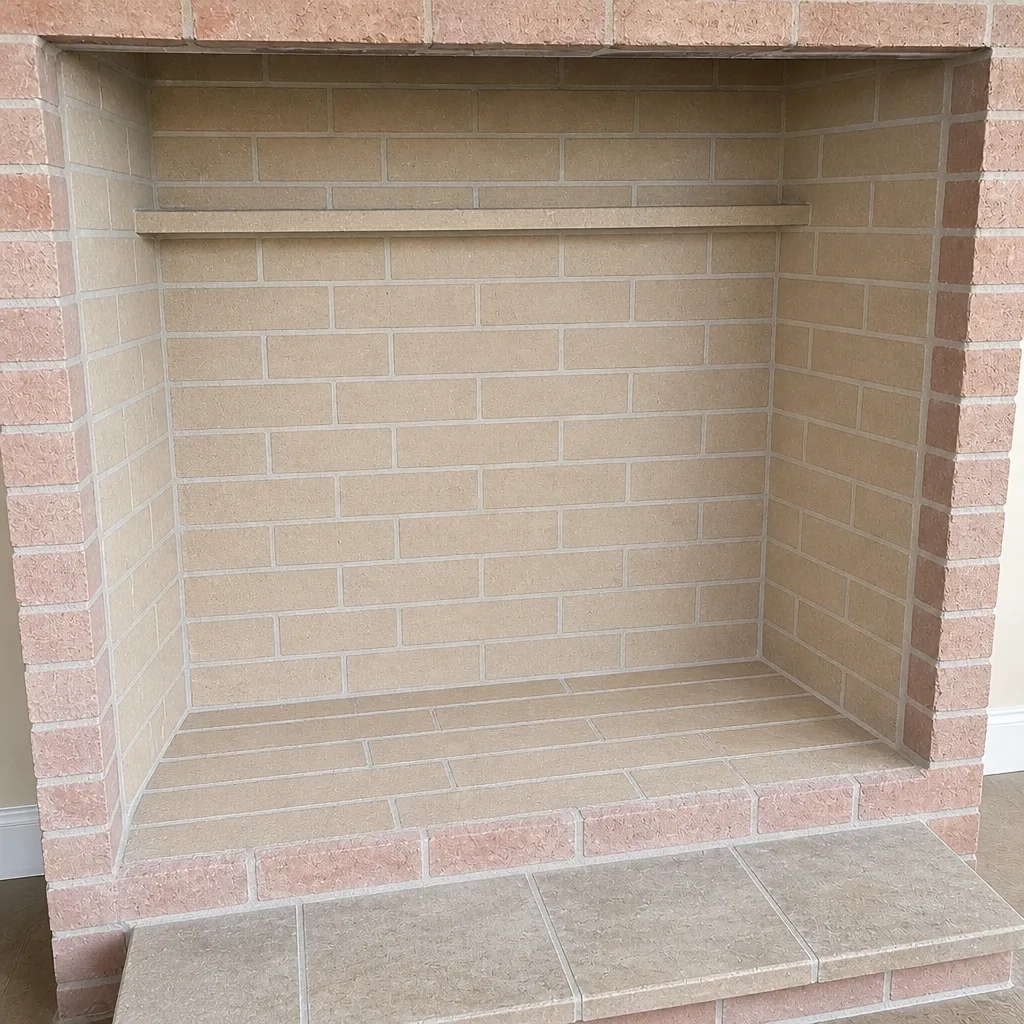
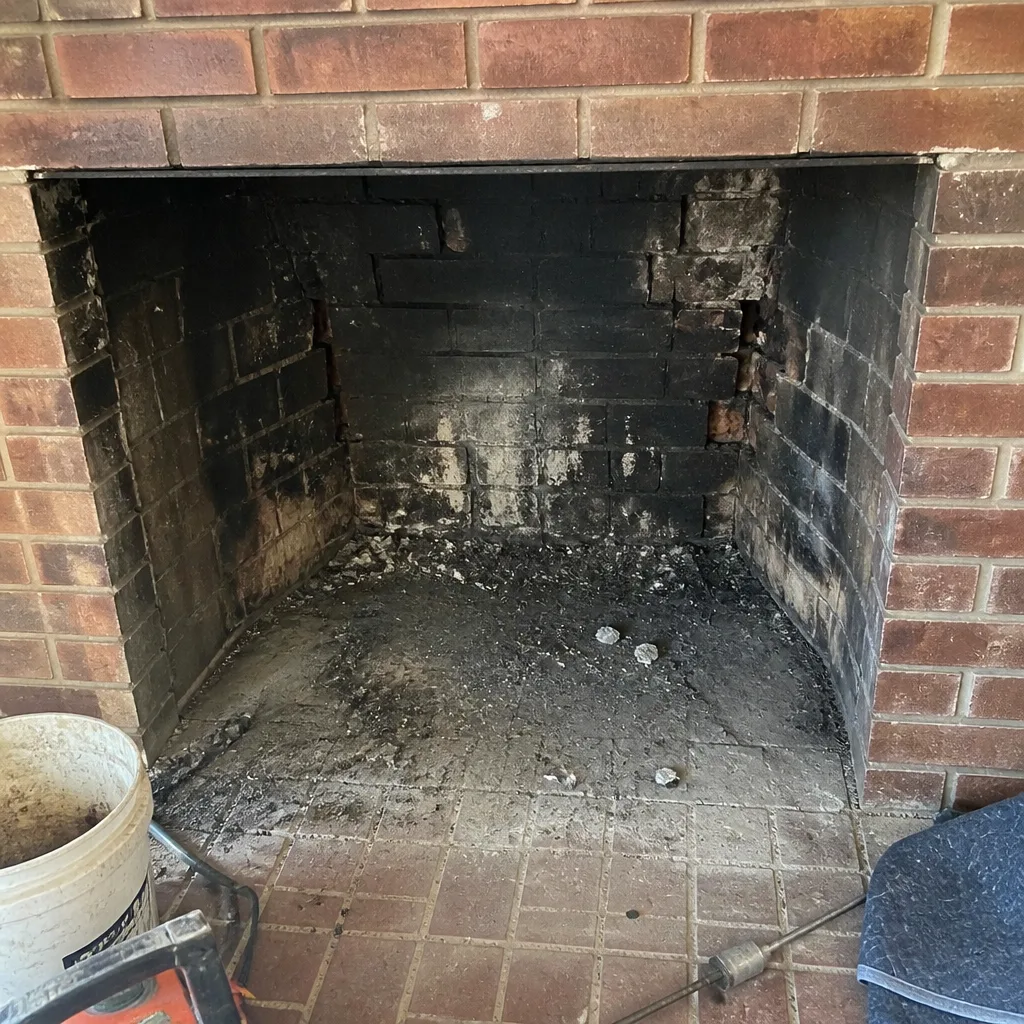
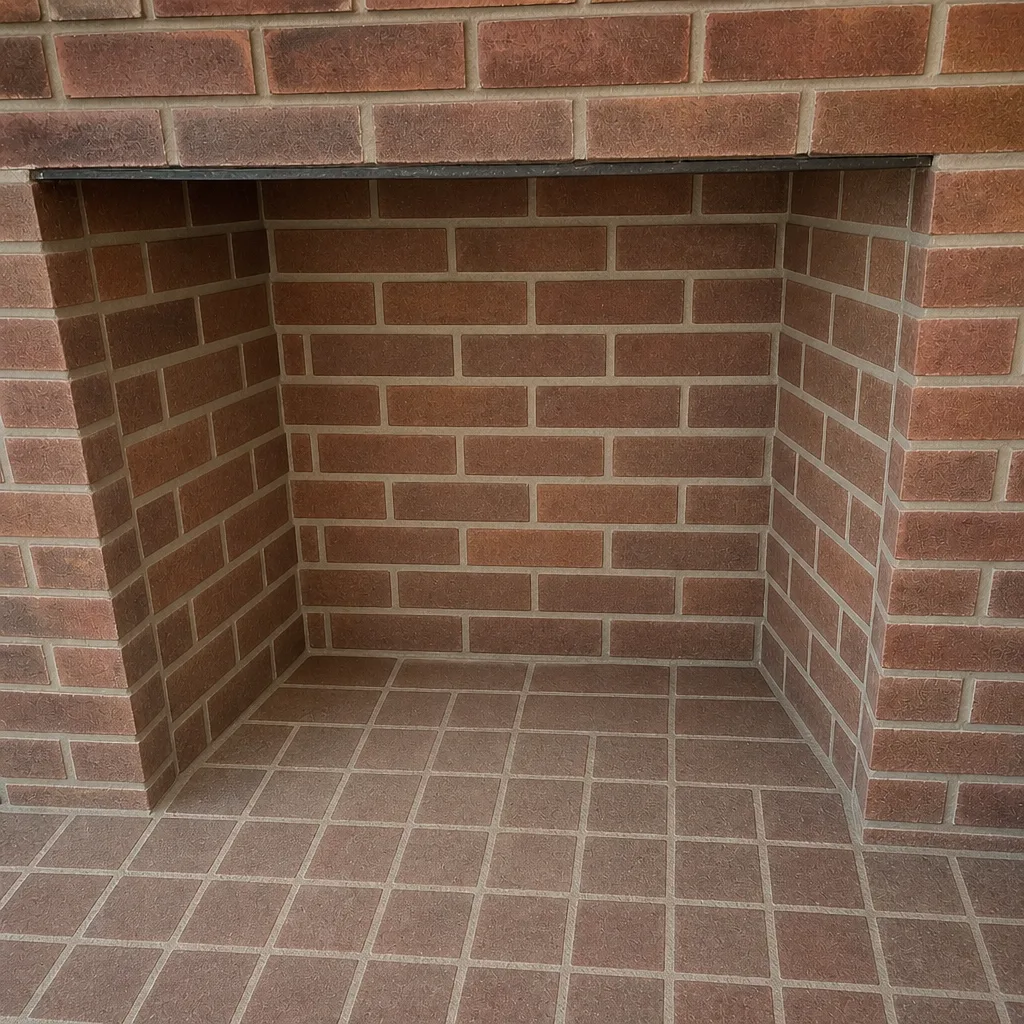
See the difference
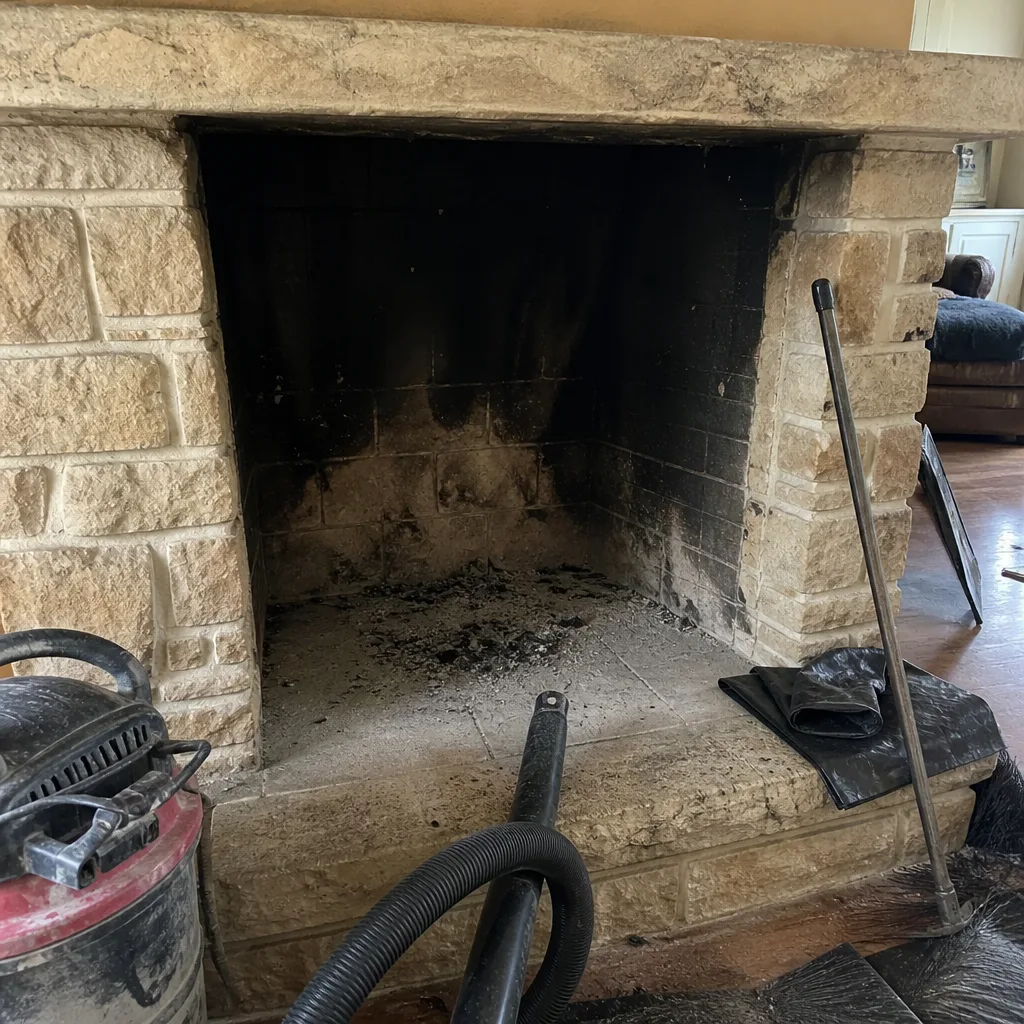 Before
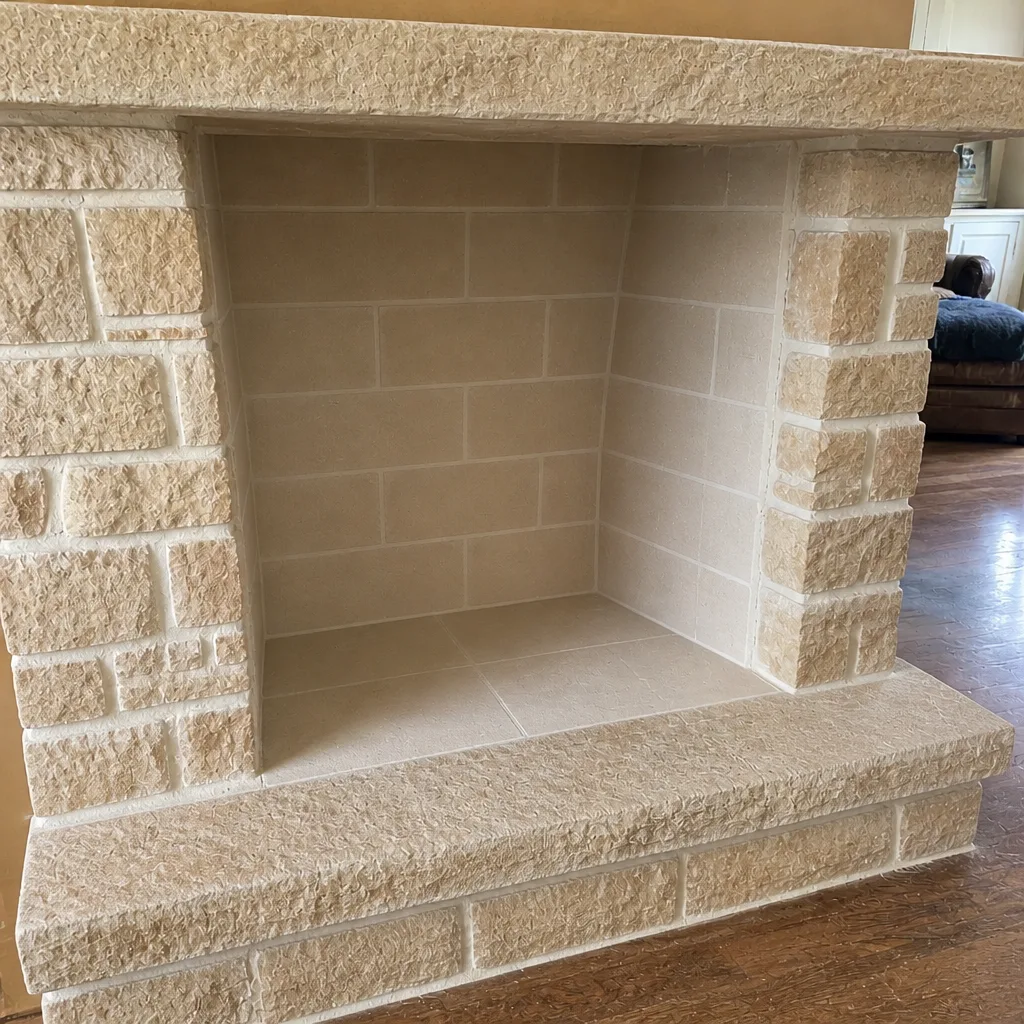 After
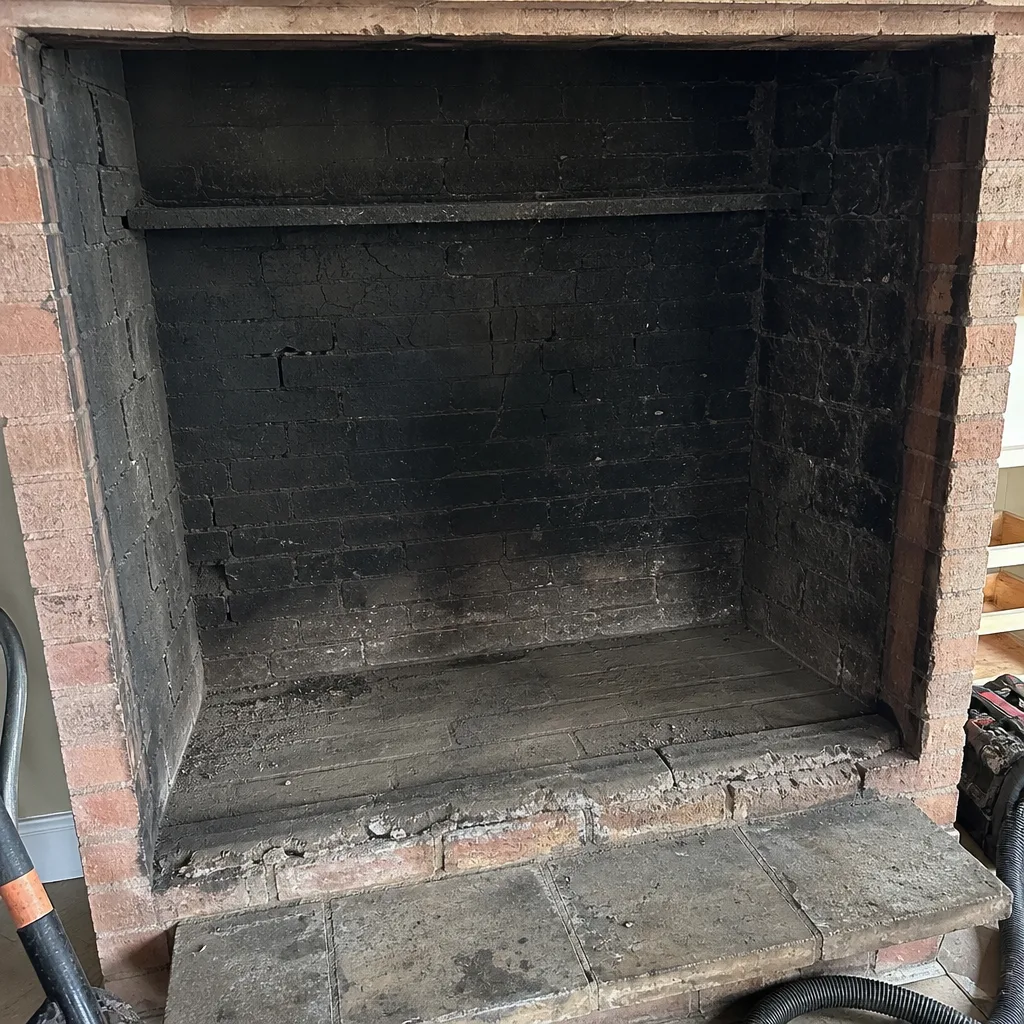 Before
 After
 Before
 After
When to Call a Professional
Some chimney problems are obvious emergencies and some are quiet. Call a professional if you suspect a chimney fire, if a carbon monoxide detector has gone off, if an animal is stuck in the flue, if you smell smoke backing into the room, if the firebox shows signs of moisture or soot stains on the chase, or if it’s been more than a year since your last sweep. Also call if you’ve noticed a cracked crown, a missing or damaged cap, or a chimney that drafts poorly. Those are the conditions that lead to emergencies if they go unaddressed through a Castle Rock heating season. When something structural is involved, our fireplace repair service can address the firebox, damper, and masonry. Castle Rock Chimney Sweep offers free estimates in Castle Rock – call (844) 883-7423. We answer 24/7, and fast dispatch runs 7am to 7pm, Sunday through Friday.
Frequently Asked Questions
Many chimney fires are quiet and go unnoticed until a later inspection finds the damage. Signs include a rumbling or roaring sound, popping or cracking from the flue, a strong tarry smell, puffy honeycombed creosote inside the firebox, warped or discolored caps, and cracks in the chase. Any of these is reason to call a professional for an inspection before you use the fireplace again. If you suspect an active fire, get everyone out and call 911 first. Call (844) 883-7423 for an inspection after the fire department has cleared the scene.
Yes. A CO detector near the fireplace is one of the most important safety devices in a home that burns wood or gas. Carbon monoxide is colorless and odorless, and a blocked or damaged flue can push it into the room without any visible sign. You should have detectors on every level, outside or inside sleeping areas, and in the living space near the fireplace. Test them monthly. If one alarms, get out and call 911. Then have your chimney inspected before using the fireplace again. Call (844) 883-7423 to book an inspection.
No. A chimney that has survived a fire event cannot be put back into service until a Level 2 inspection is completed, per NFPA 211. The inspection includes a video scan of the flue and a check of the liner, chase, cap, and crown, all of which may have hidden heat damage. Using the fireplace before the inspection risks a second, more dangerous fire. Call (844) 883-7423 to schedule a post-fire inspection. Estimates are free.
Stop using the fireplace, close the damper if it’s open, keep children and pets away, and call a chimney professional. Don’t try to smoke the animal out or reach in after it; frantic wildlife can bite and cause more damage. A sweep can remove the animal safely, clear any nesting material, and check the flue for damage. Once the flue is clean and inspected, the fireplace is safe to use again. A properly installed cap prevents the problem from recurring. Call (844) 883-7423 to book removal and a cap check.
At least once a year, ideally before heating season starts, and more often if you burn wood frequently. Castle Rock’s long heating season and cold snaps mean chimneys here do more work than in milder climates, which accelerates creosote buildup. If you burn more than a cord of wood a year, or use the fireplace as a primary heat source, book a sweep mid-season as well. Call (844) 883-7423 to schedule your annual sweep.
Creosote keeps building, and creosote is what feeds chimney fires. A skipped sweep also means skipped inspection, which is where small problems like a cracked crown, a failed cap, or an early liner crack would have been caught. Over two or three missed seasons, a chimney that would have been a simple cleaning becomes a structural repair. In Castle Rock’s freeze-thaw climate, moisture damage compounds quickly. It’s cheaper to sweep than to repair. Call (844) 883-7423 for a free estimate on your next sweep and inspection.
The Bottom Line
Chimney emergencies in Castle Rock don’t announce themselves, but they’re rarely sudden. Creosote, moisture damage, a failing cap, a cracked liner, an animal nest: each of those builds quietly until the night it doesn’t. The households that come through a chimney event well are the ones who knew the signs, memorized the two-minute sequence, kept working CO detectors near the fireplace, and had their emergency contacts ready. The rest is routine: an annual sweep, an inspection that goes beyond the visual, cap and crown maintenance, and repairs done promptly with materials built to last. From sweep to repair in one call, we handle the whole system. Whether it’s a routine sweep, a post-fire Level 2 inspection, or a cap and crown installation, our technicians have up to 8 years of experience and use professional-grade brands like DuraFlex, HeatShield, Olympia Chimney, and Famco. Call (844) 883-7423 for a free estimate. We answer 24/7, and fast dispatch runs 7am to 7pm, Sunday through Friday. If you’d rather start with the basics, a routine chimney sweep and inspection is the right first step, and we inspect before we leave.
Written by the team at Castle Rock Chimney Sweep.