
Last updated November 23, 2026
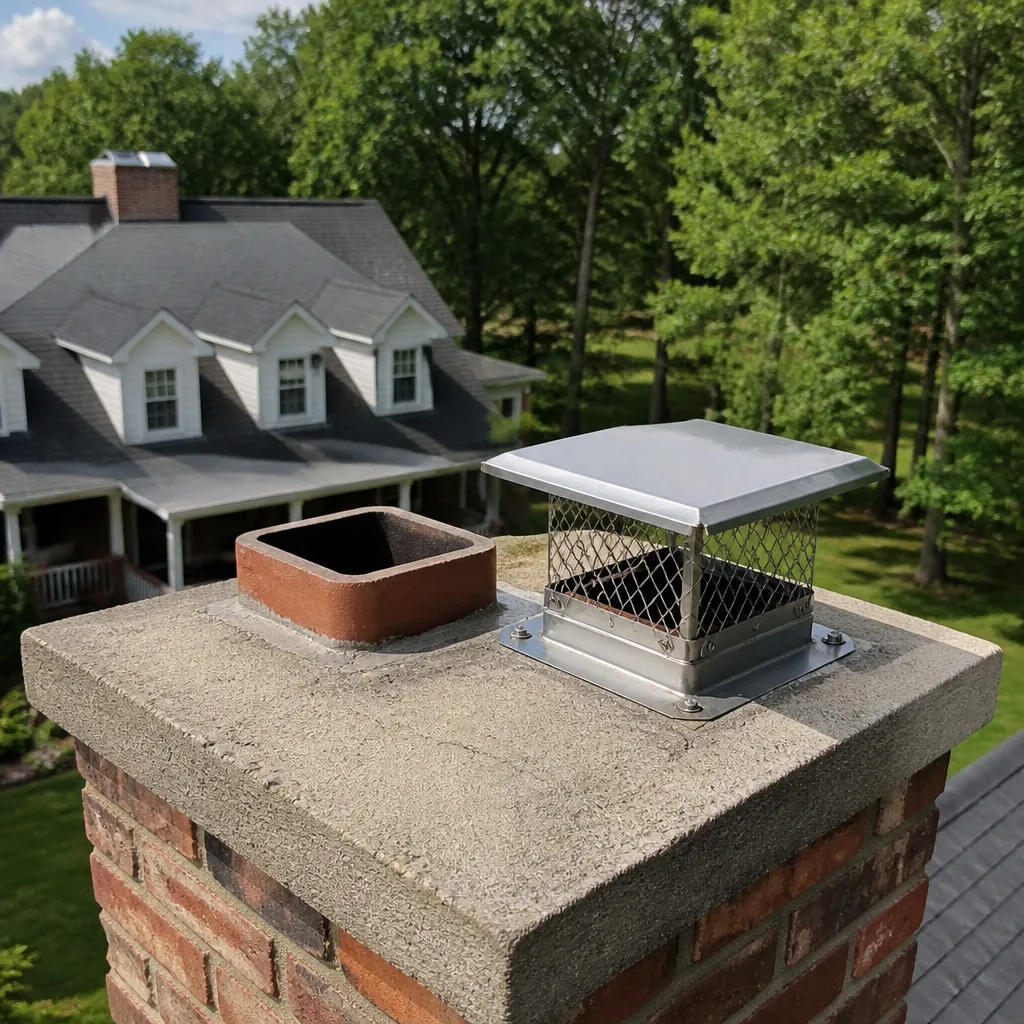 Sweep & inspection
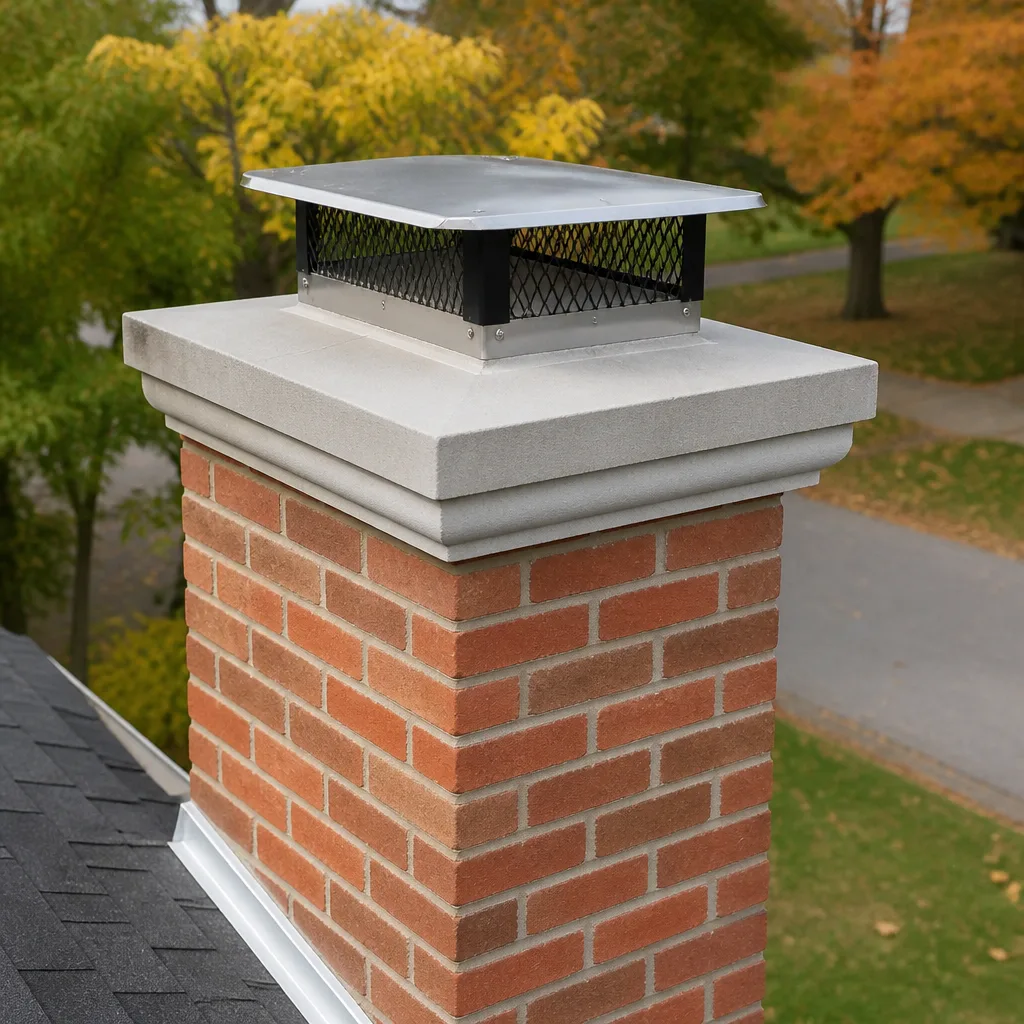 Caps & crowns
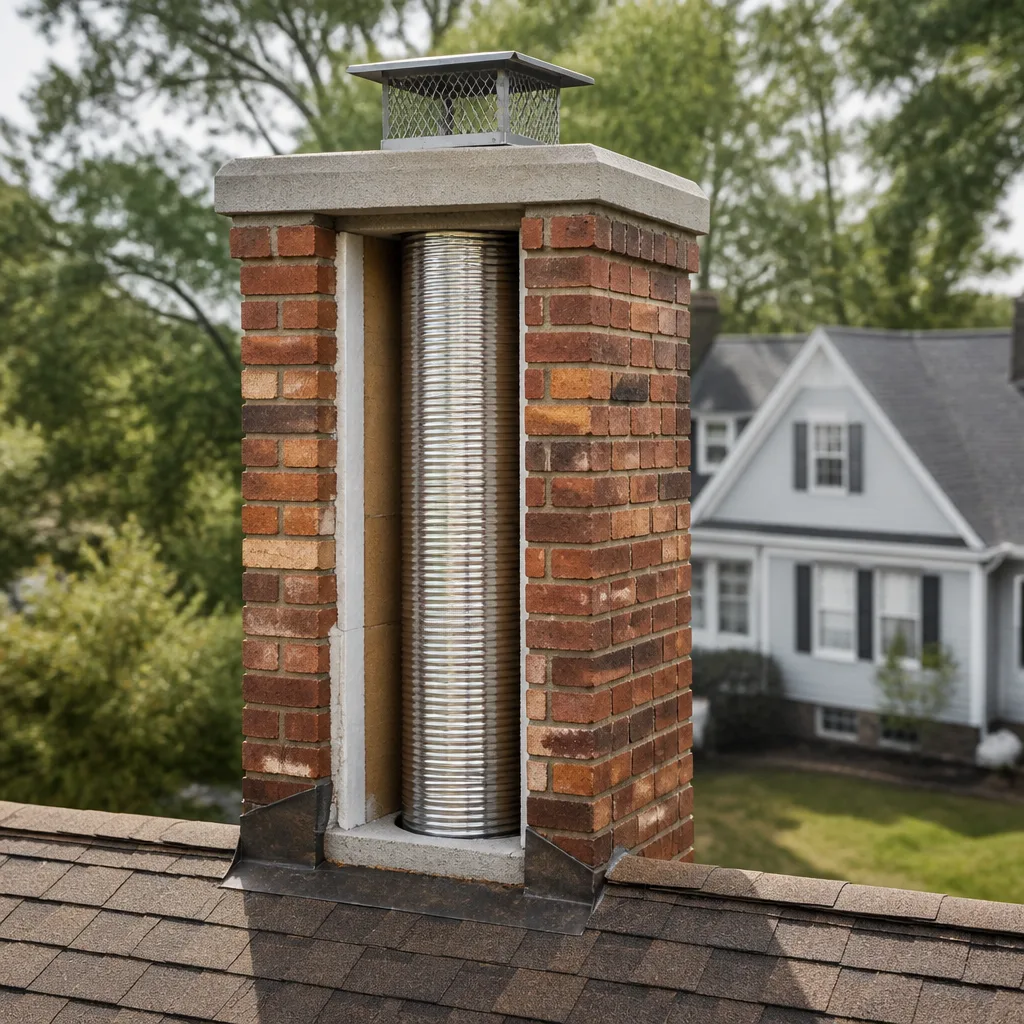 Flue relining
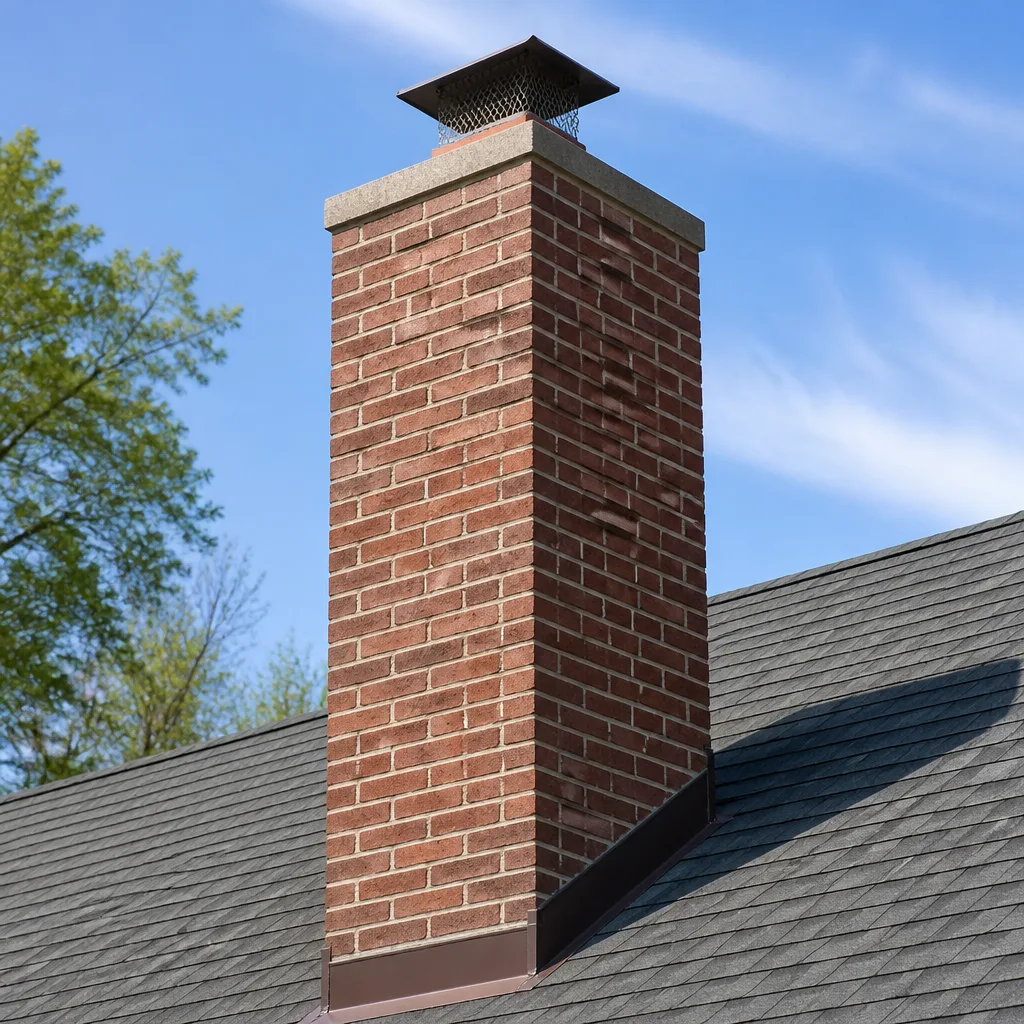 Masonry repair
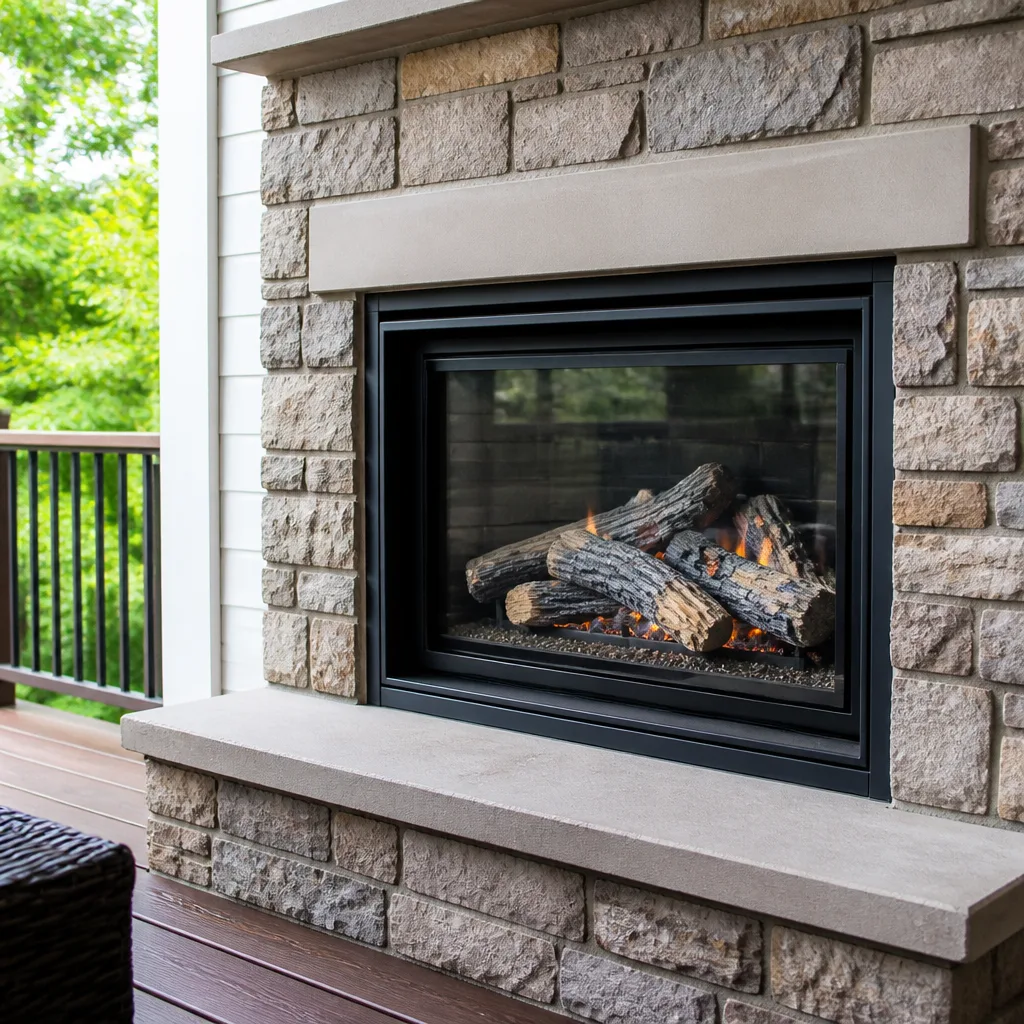 Gas fireplace service
Level 1 sweep and inspection to the NFPA 211 annual standard - flue, crown, cap, and flashing checked and photographed
Chimney sweep logs do not sweep chimneys. They loosen some creosote - which then falls where a brush and vacuum still have to collect it.
Chimney Cleaning Permits, Codes & Inspections in Castle Rock, CO: What You Need to Know
Here’s the part most homeowners miss: a routine chimney cleaning in Castle Rock generally doesn’t require a permit, but the repair that cleaning often uncovers frequently does. If a chimney company finds a cracked flue liner and relaces it on the spot without pulling a permit, that’s an unpermitted structural repair – the kind of thing that can surface during a home sale or an insurance claim and cost you far more than the repair itself. This guide walks through exactly where the line sits between maintenance and permitted work, what Colorado’s fire code requires of residential chimneys, what a proper inspection under NFPA 211 actually involves, and the paperwork you should keep after anyone touches your chimney in Castle Rock.
Quick Answer
In Castle Rock, routine chimney sweeping and a standard visual inspection are maintenance and don’t require a building permit. Structural work – relining a flue, rebuilding a chimney crown, repointing masonry, or replacing a firebox – generally does require a permit through Douglas County’s building department, and the contractor should be pulling it. NFPA 211 sets the national standard for chimney inspections, and Colorado has adopted the International Fire Code, which governs clearances and liner specifications for wood-burning appliances. The short version: cleaning is maintenance, repair needs a permit, and a Level 2 inspection is what most Castle Rock real estate transactions and insurance claims will call for.
Styles & brands we work with
- Sweep & inspection
- Caps & crowns
- Flue relining
- Masonry repair
- Gas fireplace service
Table of Contents
- Which Chimney Work Needs a Permit in Castle Rock?
- How Colorado’s Fire Code Applies to Your Chimney
- What an NFPA 211 Inspection Actually Involves
- When Castle Rock Homeowners Are Required to Have an Inspection
- How to Verify a Contractor Is Pulling Permits
- The Documentation to Keep After Chimney Work
- Why Castle Rock’s Climate Makes This Matter More
- A Pre-Sale and Pre-Season Checklist
Which Chimney Work Needs a Permit in Castle Rock?
The dividing line is whether the work changes the structure or the venting system of the chimney itself. A sweep with a brush and vacuum, removing creosote and soot from the flue, is routine maintenance and does not trigger a permit. Neither does a visual inspection, a chimney cap swap, or a minor firebox cleaning. These are the kinds of tasks a chimney sweep handles as part of normal service.
What does cross into permitted territory is anything structural or anything that changes how the chimney vents. That includes:
- Relining a flue – installing a stainless liner system such as a DuraFlex flexible liner changes the venting pathway and is a structural alteration.
- Crown replacement or major crown repair – the crown is the concrete top of the chimney that sheds water, and rebuilding it is structural masonry.
- Tuckpointing and masonry rebuilding – repointing mortar joints across a significant area or rebuilding the upper stack.
- Firebox reconstruction – replacing damaged firebox brick or the refractory material that lines it.
- Chasing a flue or adding a new flue – any change to the number or location of flues.
These are the repairs that separate a full-service chimney repair scope from a cleaning scope. We inspect before we leave, precisely because a cleaning is when a cracked liner or a failing crown usually turns up. The question is never whether you need the repair – it’s whether the repair gets done with a permit and a documented inspection, or quietly and off the books. Getting a written scope that states permit responsibility upfront is the cleanest way to protect yourself.
How Colorado’s Fire Code Applies to Your Chimney
Colorado has adopted the International Fire Code, which sets clearances and liner specifications for residential solid-fuel appliances. In practice that means your chimney was required to have been built and maintained to specific clearances between the flue and combustible framing, and to a specific liner standard for the appliance it serves. When a repair changes the liner or the flue configuration, the work needs to bring the system back into compliance with those requirements – not just patch the immediate damage.
Two things tend to trip Castle Rock homeowners up here. First, clearances are often not visible. A liner can look fine from the top and still be failing where it passes through a framed chase or attic. A camera inspection is the only reliable way to see it. Second, changing appliances can change the liner requirement. If a wood stove or insert was added to a fireplace that originally vented a different appliance, the existing flue may not match what the current appliance needs. That gap is a code issue, and it’s exactly the kind of thing a proper inspection catches.
Because Castle Rock sits at elevation, wood-burning appliances and their venting get used hard through the cold months. When a chimney works harder, clearances and liner integrity matter more, not less. Liner restoration work – the kind of interior repair a HeatShield system is designed for – is a specialty beyond what most sweep-only operations can offer. Knowing whether your chimney needs a full reline or a restoration depends entirely on what the inspection finds, which is why we don’t quote structural repair before we’ve looked.
What an NFPA 211 Inspection Actually Involves
NFPA 211 is the national standard for chimneys, fireplaces, vents, and solid fuel-burning appliances, and it defines three inspection levels. Knowing which one you need matters, because a Level 1 is what a routine cleaning visit includes, and a Level 2 is a different, deeper service.
- Level 1 – routine annual inspection. A visual check of readily accessible portions of the chimney and appliance, done during a normal cleaning visit when the appliance hasn’t changed and no problem is suspected.
- Level 2 – accessible inspection. A visual inspection using video equipment to examine accessible areas of the flue and chimney interior, including areas not visible during a Level 1. Required when a property is sold, when an appliance is changed, or after a chimney fire or other incident.
- Level 3 – diagnostic inspection. Undertaken when a Level 1 or Level 2 reveals a problem that can only be evaluated by opening concealed portions of the chimney or building.
For most Castle Rock homeowners, the practical answer is a Level 1 on each annual cleaning, and a Level 2 whenever the house changes hands or an appliance changes. A camera inspection and photo report is how you turn a Level 2 from a verbal opinion into evidence you can actually review and keep. We include a camera inspection and a photo report as part of our inspection work so you’re not taking anyone’s word for what’s going on inside the flue.
When Castle Rock Homeowners Are Required to Have an Inspection
No one in Castle Rock schedules an inspection “because a law says so” as a rule – but several situations effectively require one, even when no single statute compels it. These are the moments where an NFPA 211 inspection stops being optional and becomes the thing that protects you.
- Before selling a home. Buyers, buyers’ agents, and lenders routinely request a chimney inspection during a real estate transaction. A Level 2 inspection is the standard requested, and a missing or expired inspection report can stall or reprice a deal.
- After an insurance claim. If you’ve filed a claim related to the chimney or fireplace, your insurer will want documentation of the condition and any repairs. An inspection report and photo record are what supports the claim.
- After a chimney fire. Even a small chimney fire can crack the liner. A Level 2 inspection is the expected follow-up.
- When you change appliances. Adding a wood insert or replacing a stove changes the venting requirements and calls for a Level 2.
- Before each heating season. A Level 1 during the annual cleaning is the minimum, and it’s how most creosote problems get caught before they become structural.
We tell homeowners plainly when work can safely wait and when it can’t. A visual inspection that turns up nothing more than a moderate creosote layer is a cleaning, not a repair. A liner with a visible crack, or a crown that’s spalling, is a different conversation. Nothing is recommended without camera evidence you can see for yourself – that’s the whole point of the photo report.
How to Verify a Contractor Is Pulling Permits
A contractor who won’t pull a permit for structural chimney work is telling you something important. Sometimes it’s scheduling – permits take time and coordination. Sometimes it’s a refusal to work to documented standards. In either case, you’re the one left holding unpermitted work, and unpermitted work is a known issue at resale and with insurers. Here’s how to verify and how to make permit responsibility a condition of the job.
- Ask before you book. Ask directly: “Will you pull a Douglas County building permit for the reline / crown rebuild / masonry repair?” Get the answer in writing on the estimate.
- Confirm the scope in writing. The written estimate should name the specific repair, the materials (for example a DuraFlex liner or HeatShield restoration), and whether a permit is included.
- Verify the contractor’s state licensing and insurance. The local pro should be licensed and insured as their state requires. Ask for proof of general liability coverage before work starts.
- Check that the permit is actually filed. A permit number you can reference is the difference between a permit that exists and one that was promised.
- Request copies of the final inspection and any permit closeout. A closed permit with a passed inspection is your proof the work was done to standard.
Why do some companies skip it? Because pulling a permit adds cost, time, and an inspector’s scrutiny to the job. For a sweep-only operation, structural repair isn’t really their scope anyway, so the question never comes up. For a contractor working to trade standards, the permit is part of doing the repair correctly – not a box to be quietly checked. We treat permit responsibility as part of the repair scope, not an afterthought.
The Documentation to Keep After Chimney Work
After any chimney work beyond a routine cleaning, keep a file. Future-you – the version selling the house, filing a claim, or answering a buyer’s question – will thank present-you. The right documents turn a verbal history into a record that holds up.
- The written estimate and final invoice. Shows the agreed scope and that it was completed.
- The inspection report and photo record. The before-and-after condition of the flue, crown, and any repaired area.
- The permit number and final inspection sign-off. For any structural work, this is the proof.
- Material specification sheets. Which liner system or restoration product was used, and any warranty document that came with it.
- Contractor licensing and insurance confirmation. The documentation that the work was performed by a vetted professional.
- Dates of service. For the next owner’s inspection timeline and for your own annual cleaning schedule.
Keep this file digitally and in the house. When a Castle Rock buyer’s agent requests chimney documentation during a transaction, a complete file resolves questions in minutes. A missing file does the opposite: it invites a re-inspection, re-negotiation, or a request for a credit at closing. For more on what routine service should include, see our main Castle Rock Chimney Sweep page.
Why Castle Rock’s Climate Makes This Matter More
Castle Rock’s winters come with freeze-thaw cycles, and freeze-thaw is what slowly breaks down chimney crowns and masonry. Water gets into a hairline crack, freezes, expands, and opens the crack a little wider each season. That’s the reason cap and crown work matters here – it’s not cosmetic. A failing crown is where moisture intrusion starts, and moisture intrusion is where masonry deterioration begins.
Castle Rock also gets its share of wind, and wind-driven weather finds its way into an uncapped or inadequately capped flue. A proper cap – a Gelco or Famco cap sized correctly for the flue – stops the water and debris at the source and blocks the downdrafts that make a fireplace smoke. That’s the difference between treating a symptom and addressing the cause. Cap and crown installation is structural protection, not decoration.
The elevation and cold mean your wood-burning appliance works harder here, which produces more creosote, which is why annual inspection during the cleaning visit matters. It’s also why we don’t just sweep and leave – we inspect, so a problem gets found in year one instead of year four. If you want the full picture of what the repair side involves, our fireplace repair work covers the firebox and appliance side, and chimney repair covers the structure above it.
A Pre-Sale and Pre-Season Checklist
Whether you’re selling a home in Castle Rock or getting ready for the cold season, a short checklist keeps you ahead of the permit-and-inspection question. Run through this before you list, before the first cold snap, or before anyone quotes you a structural repair.
- Schedule a cleaning with inspection. Book the annual cleaning and confirm a Level 1 inspection is included.
- Request the camera inspection and photo report. Make sure you get the photos, not just a verbal summary.
- Ask what the report recommends and why. Distinguish routine cleaning from any structural repair.
- Get a written scope for any repair. Confirm which repairs need a Douglas County building permit and who’s pulling it.
- Keep the documentation. Estimate, invoice, inspection report, photos, permit number, and material specs.
- Update the file before you sell. A complete chimney file speeds up a real estate transaction and heads off re-negotiation.
Nothing on this list is a step you do yourself. It’s a list of questions to ask and documents to keep – because the homeowner who knows the line between maintenance and permitted repair is the homeowner who doesn’t get blindsided at closing.
Common Mistakes to Avoid
- Assuming a cleaning covers it. A sweep who shows up with a brush and vacuum and leaves without an inspection hasn’t given you the whole picture. The cleaning is the maintenance; the inspection is what catches the crack.
- Paying for structural repair on a verbal OK. If a contractor wants to relace your liner or rebuild your crown without a permit and without a written scope, stop. Unpermitted work is a known resale and insurance liability.
- Not asking who pulls the permit. Some estimates silently exclude the permit. Ask, get it in writing, and confirm the permit was filed.
- Thinking a Level 1 covers a home sale. Real estate transactions typically call for a Level 2 inspection. A Level 1 during a routine cleaning doesn’t satisfy that request.
- Ignoring the crown. A spalling or cracked crown in Castle Rock’s freeze-thaw climate is a moisture entry point that worsens every winter. Repairing masonry without fixing the crown treats the symptom, not the cause.
- Throwing away the paperwork. The inspection report, photo record, and permit closeout are the documents you’ll need when the house sells or a claim gets filed.
- Assuming an insurance claim documents itself. Insurers want a condition assessment and proof of repair. Without an inspection report and photos, a claim is much harder to support.
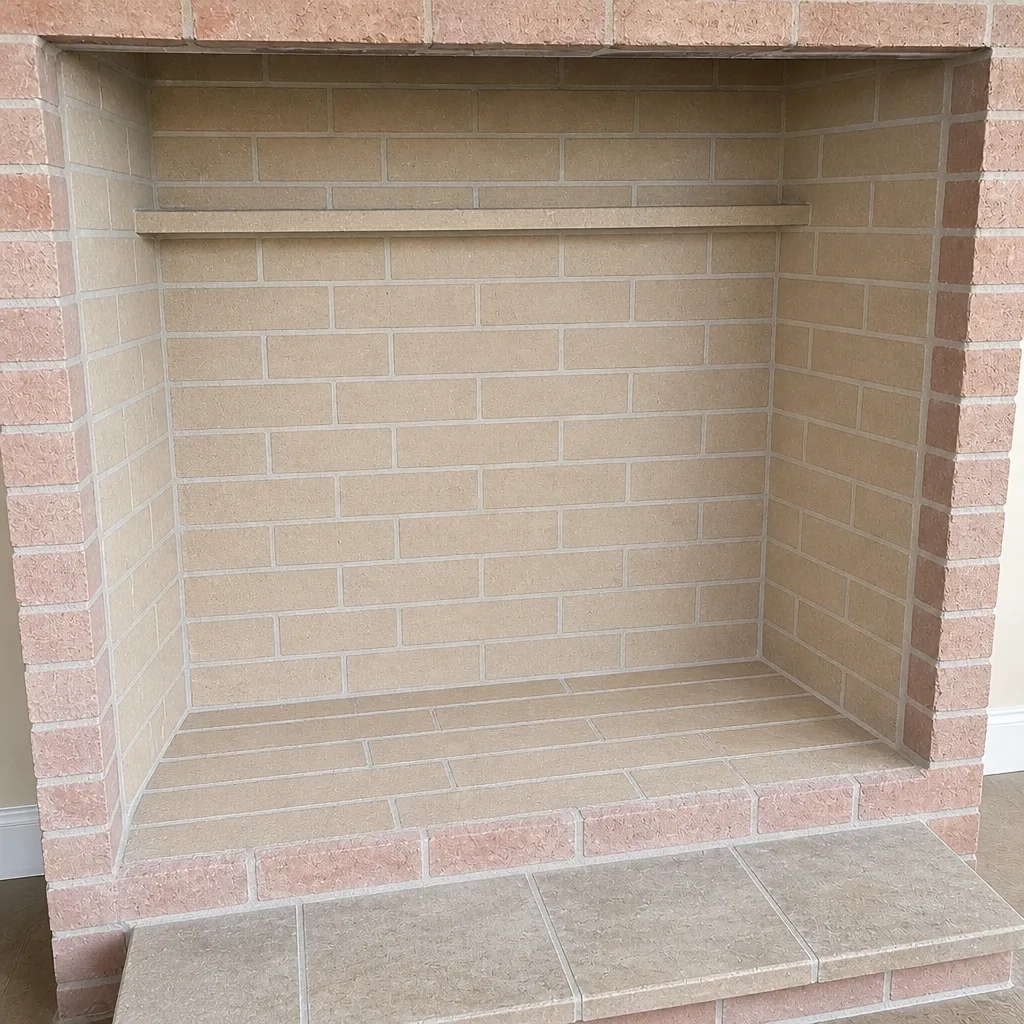
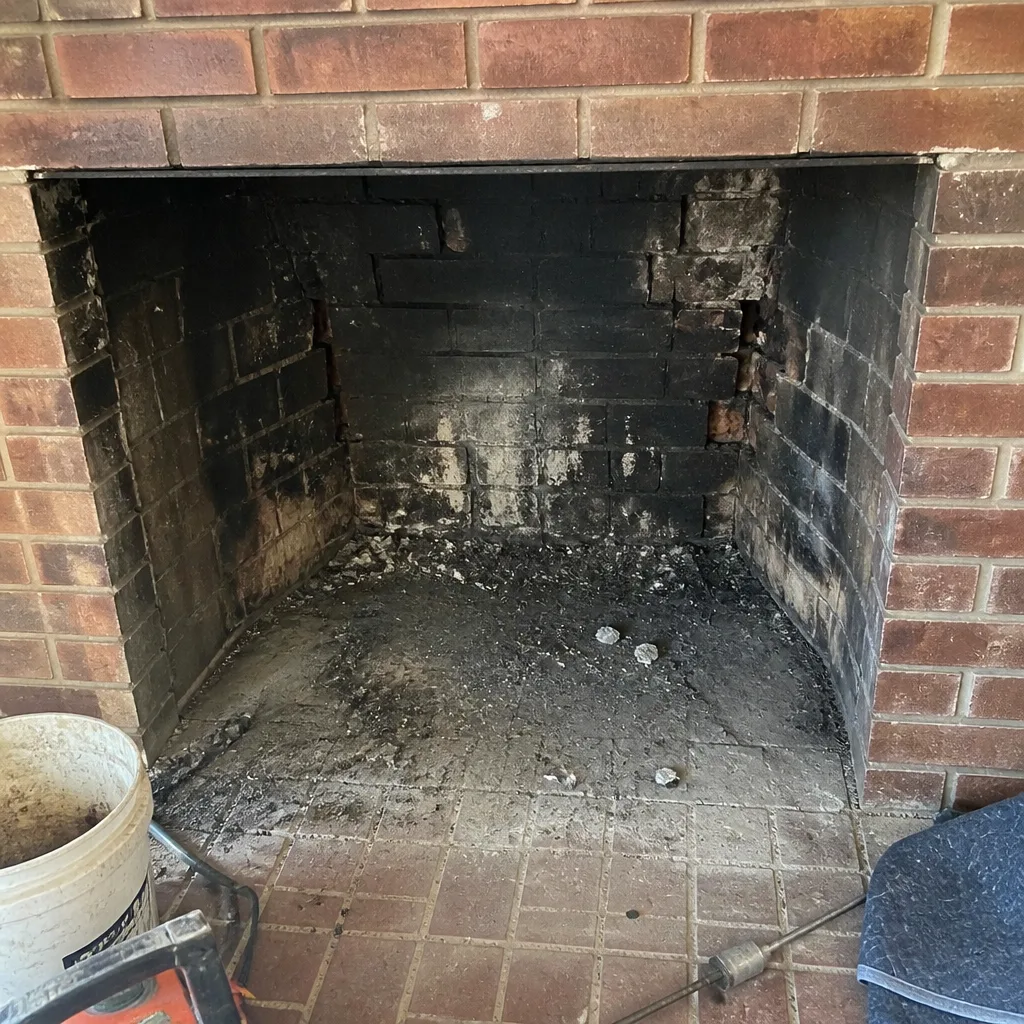
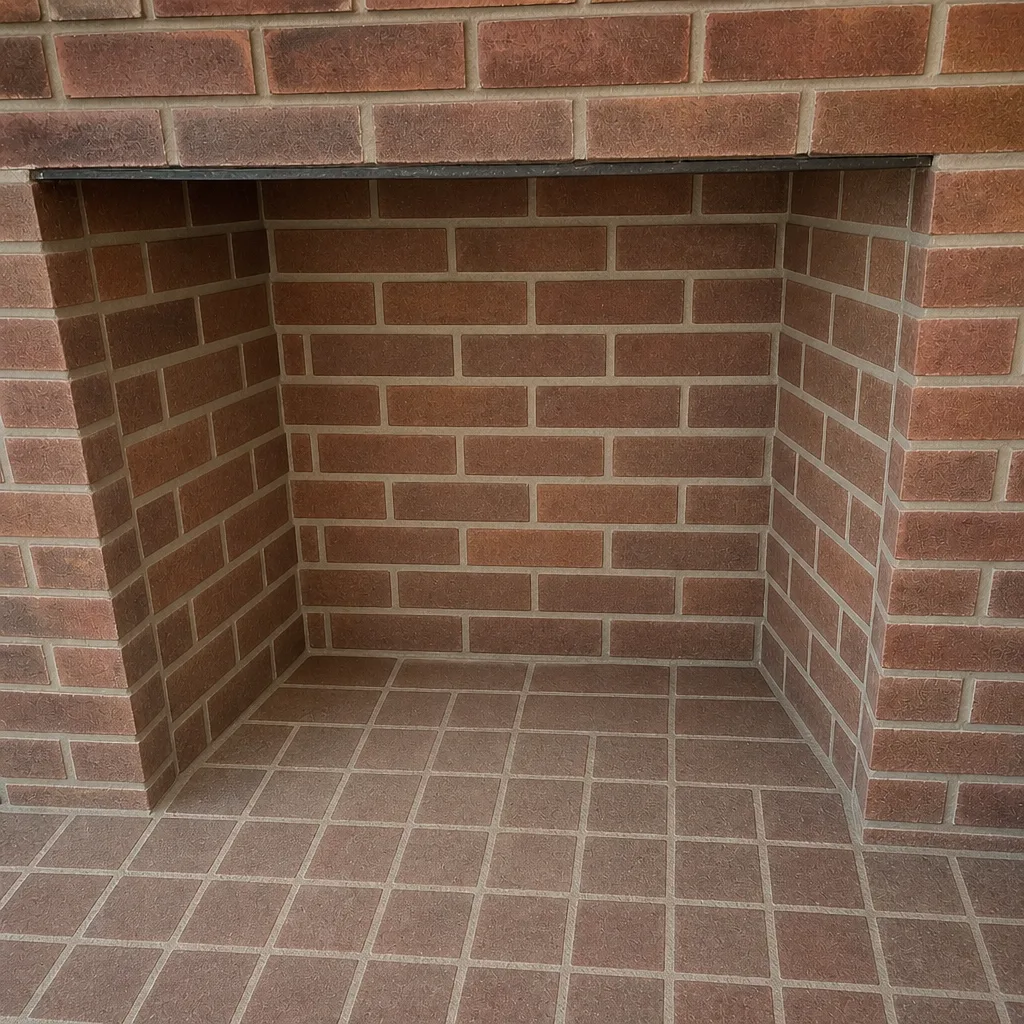
See the difference
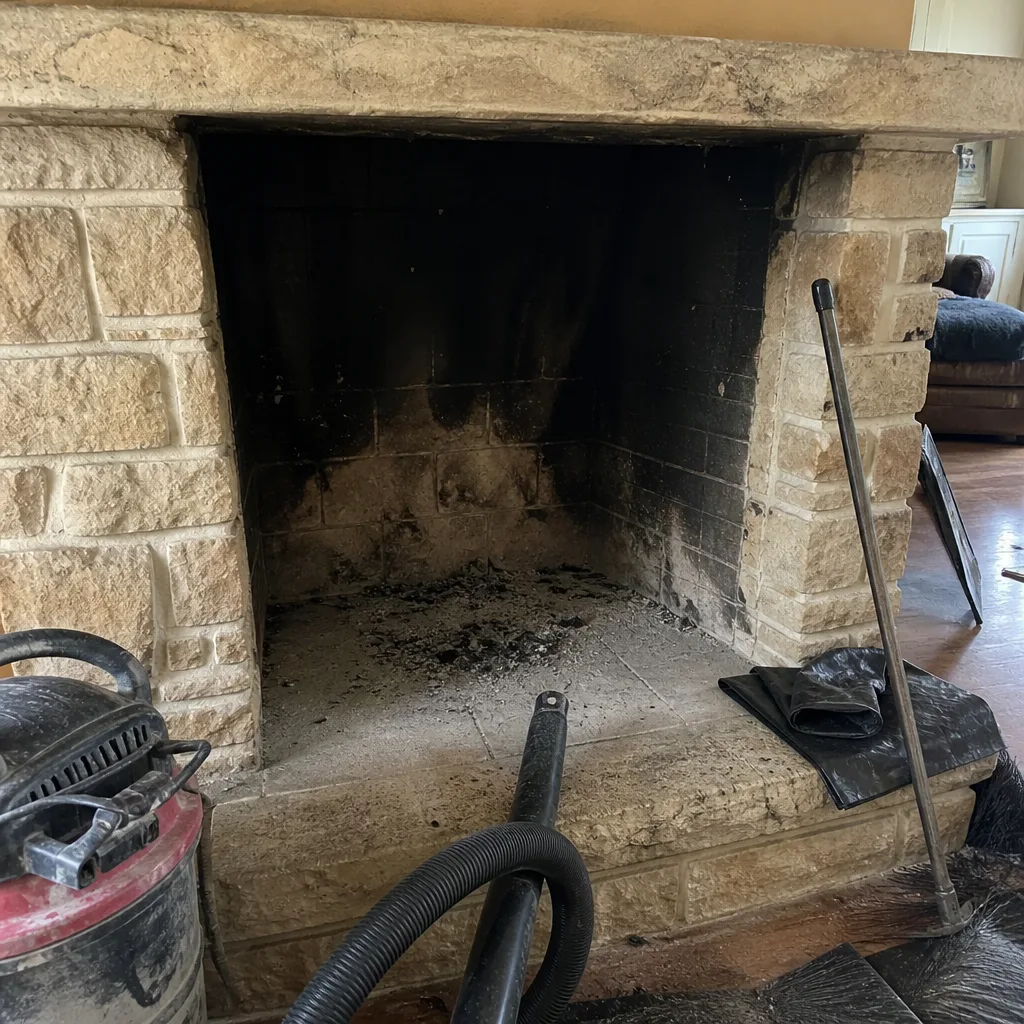 Before
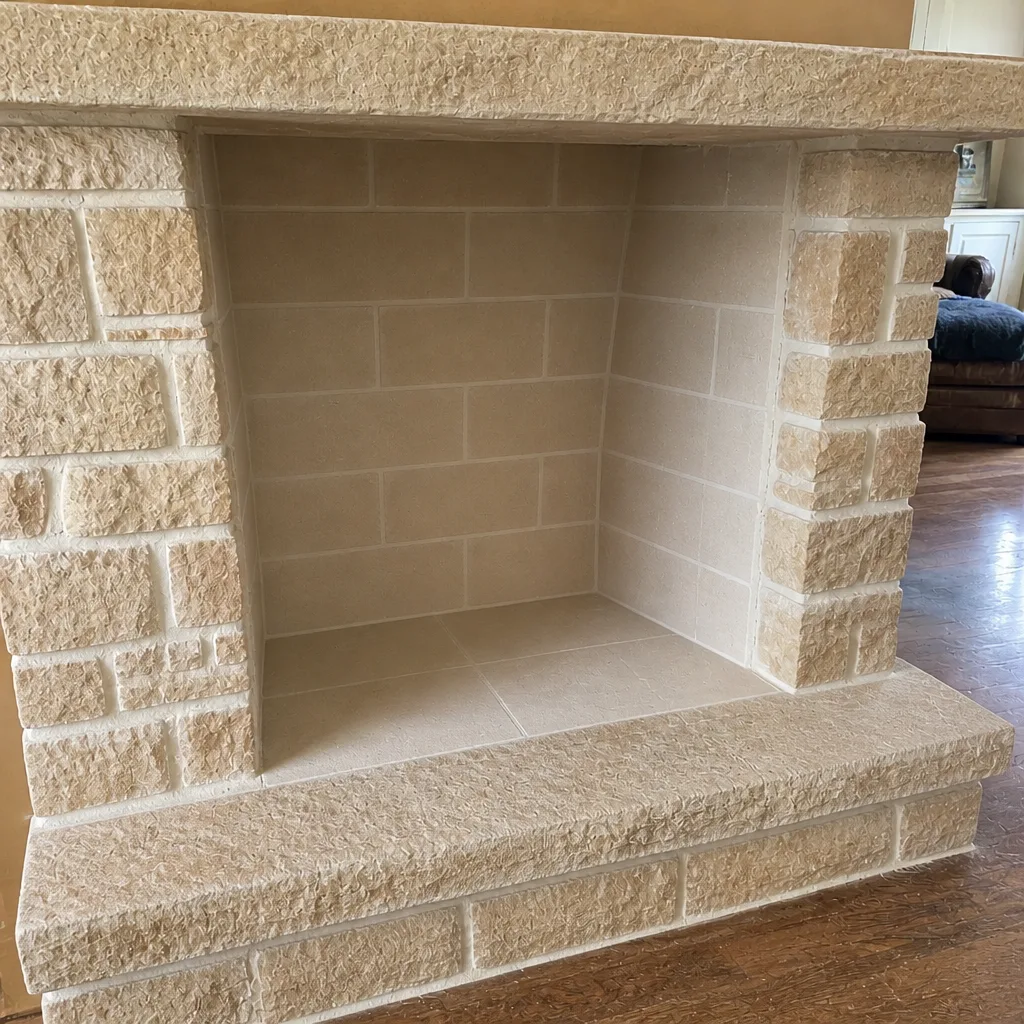 After
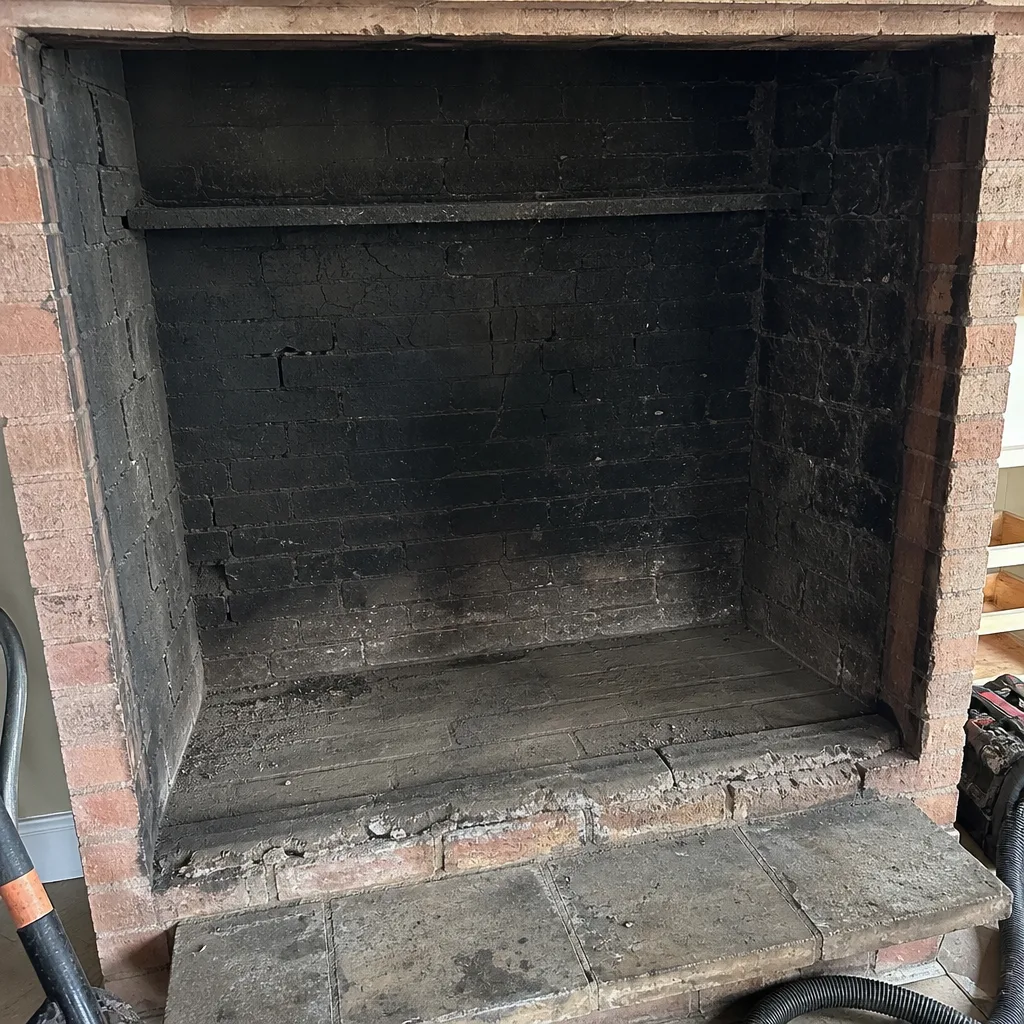 Before
 After
 Before
 After
When to Call a Professional
Call a professional when you’re scheduling your annual cleaning and inspection, before listing your home for sale, after any chimney fire, when you change or add a wood-burning appliance, or when anyone quotes you structural repair. Structural work on a chimney – relining, crown rebuild, masonry repair – involves working at height and around venting systems, and it’s not a do-it-yourself job. Electrical, gas, and structural work around a chimney should go to a trained professional every time. When a quote arrives, ask the permit question before you say yes. Castle Rock Chimney Sweep offers free estimates in Castle Rock – call (844) 883-7423. We answer 24/7. Fast dispatch from 7am to 7pm, Sunday through Friday.
Frequently Asked Questions
No – a routine chimney cleaning in Castle Rock is maintenance and does not require a building permit. Structural repairs, such as relining a flue, rebuilding a crown, or significant masonry repair, generally do require a Douglas County building permit. Call (844) 883-7423 for an exact quote on a cleaning or inspection – estimates are free.
Relining a flue, crown replacement or major crown repair, tuckpointing or masonry rebuilding, firebox reconstruction, and adding or chasing a flue generally require a permit. Basic sweeping, visual inspection, and a cap swap do not. The safe rule: if the repair changes the structure or the venting system, ask about a permit. Call (844) 883-7423 for an exact quote – estimates are free.
In practice, yes – a Level 2 inspection is the standard requested during a real estate transaction in Castle Rock. It uses video equipment to examine the flue interior, and a camera inspection with a photo report gives buyers and their agents documented evidence. Call (844) 883-7423 to book an inspection – estimates are free.
Annually – a Level 1 inspection during your yearly cleaning is the minimum, and Castle Rock’s long heating season and heavy wood use make the annual visit worth keeping. A Level 2 is called for whenever the house changes hands, an appliance changes, or a chimney fire occurs. Call (844) 883-7423 to schedule – estimates are free.
Unpermitted structural work can surface as a liability when you sell your home or file an insurance claim. Buyers and insurers want documentation that the work was permitted and inspected. If a contractor offers to relace your liner or rebuild your crown without a permit, ask why before you proceed. Call (844) 883-7423 to talk through the scope – estimates are free.
Keep the written estimate, final invoice, inspection report with photos, the permit number and final inspection sign-off for any structural work, material spec sheets, and contractor licensing and insurance confirmation. That file is what resolves questions at resale or during a claim. Call (844) 883-7423 to request a documented inspection – estimates are free.
The Bottom Line
Chimney cleaning in Castle Rock doesn’t require a permit, but structural repair does – and the difference matters more than most homeowners realize. The line is simple: routine maintenance is a cleaning and inspection; anything that changes the structure or the venting system is repaired with a permit and documented. NFPA 211 defines the inspection levels, and a Level 2 is what real estate transactions and insurance claims will call for. Colorado’s adoption of the International Fire Code sets the clearances and liner standards your repair has to meet, and Castle Rock’s freeze-thaw winters make the cap-and-crown piece a structural concern, not cosmetic. Ask the permit question before you sign. Keep the paperwork after the work. And when in doubt, inspect first.
We work with professional-grade materials – DuraFlex liner systems and HeatShield ceramic liner restoration among them – because a repair is only as good as what goes into it. From sweep to repair in one call, the team that inspects is the team that can carry the fix through.
Call (844) 883-7423 for a free estimate. We answer 24/7. Fast dispatch from 7am to 7pm, Sunday through Friday.
Written by the team at Castle Rock Chimney Sweep.