
Last updated November 23, 2026
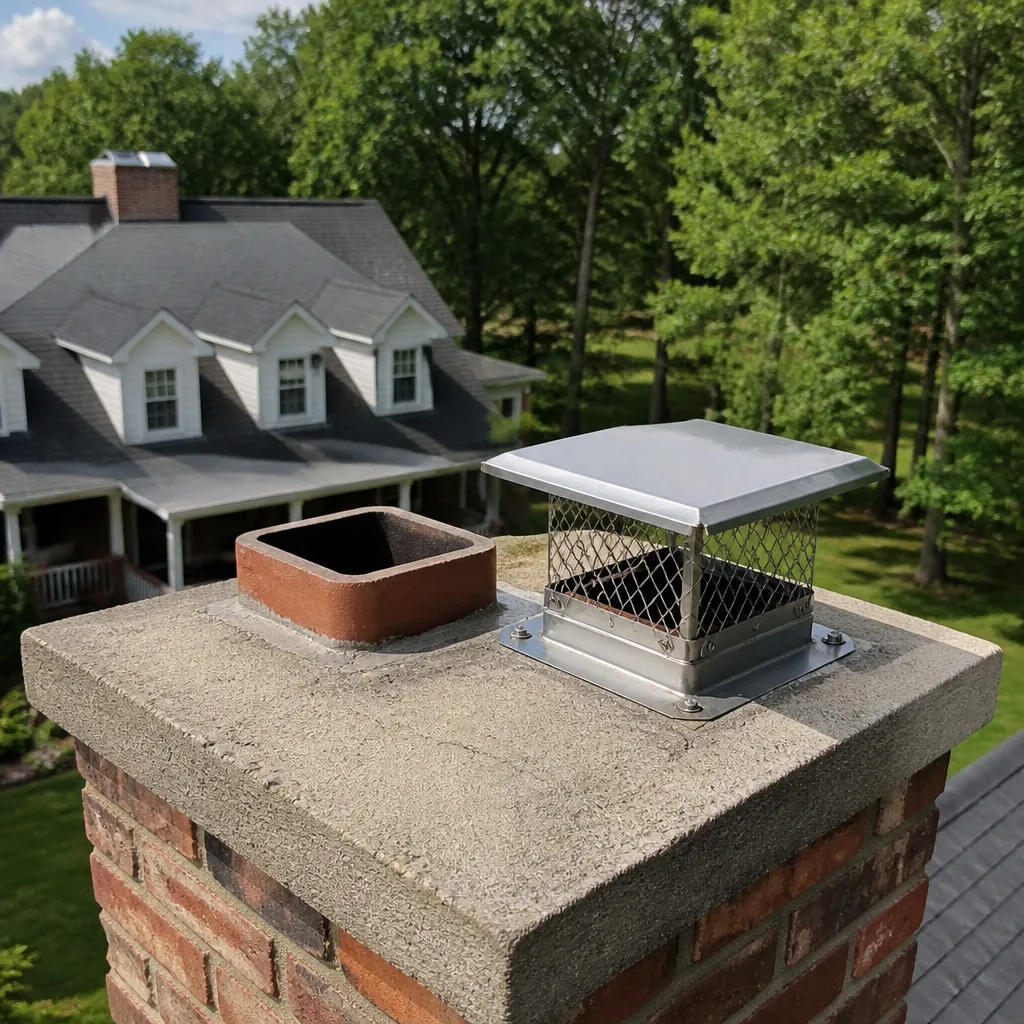 Sweep & inspection
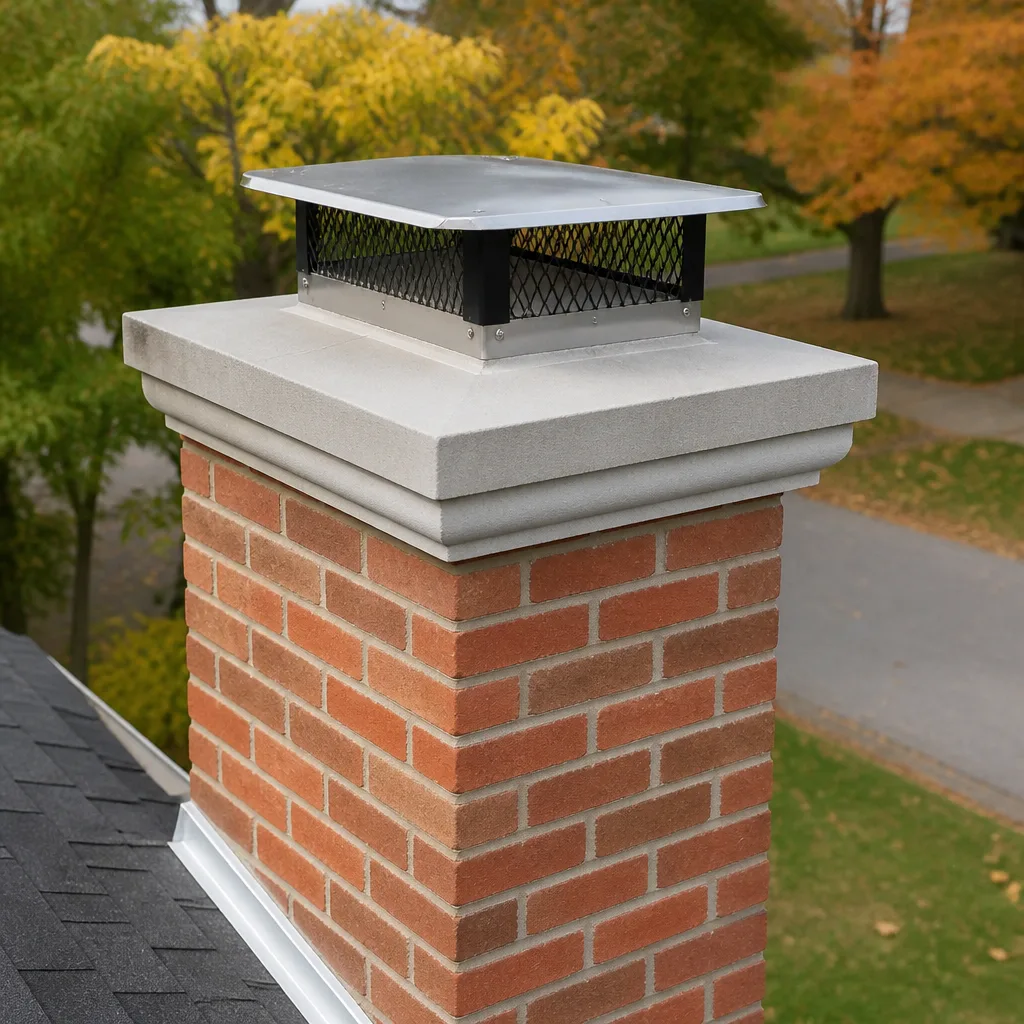 Caps & crowns
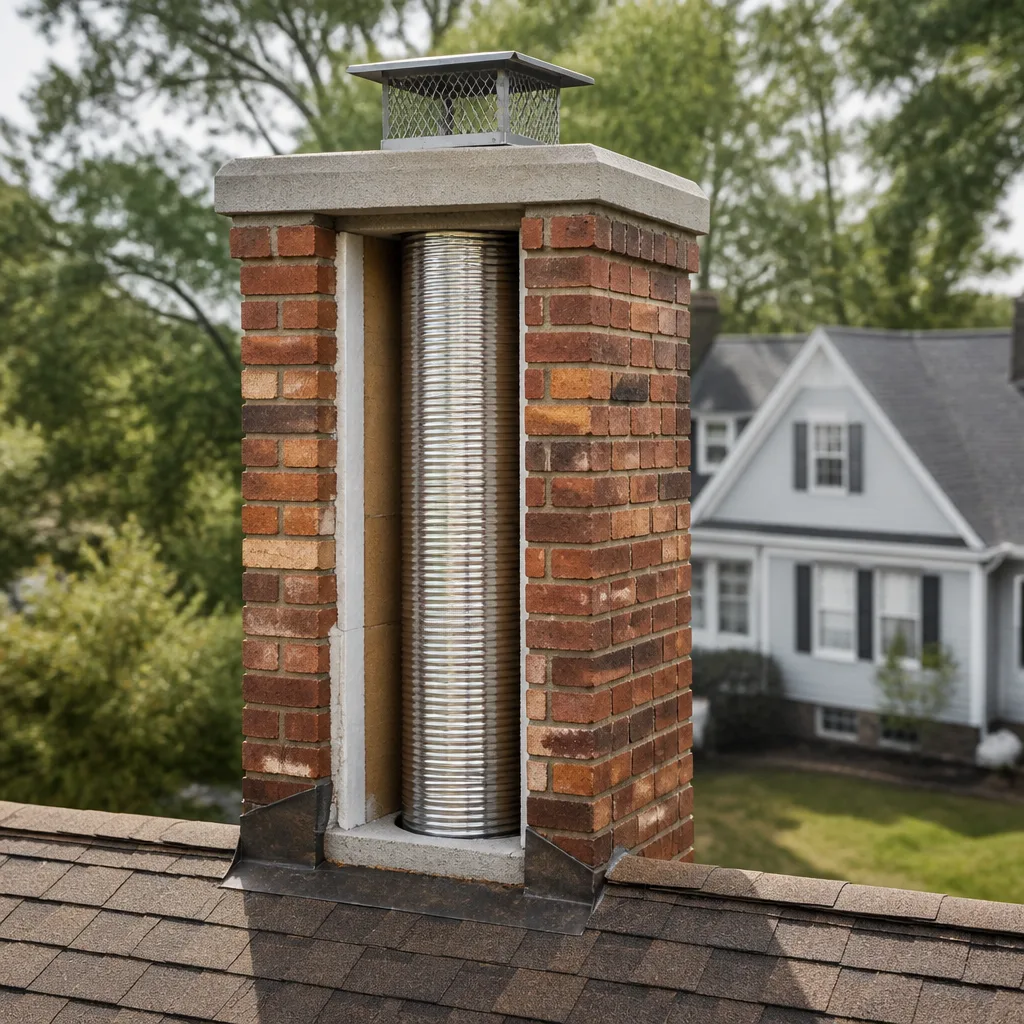 Flue relining
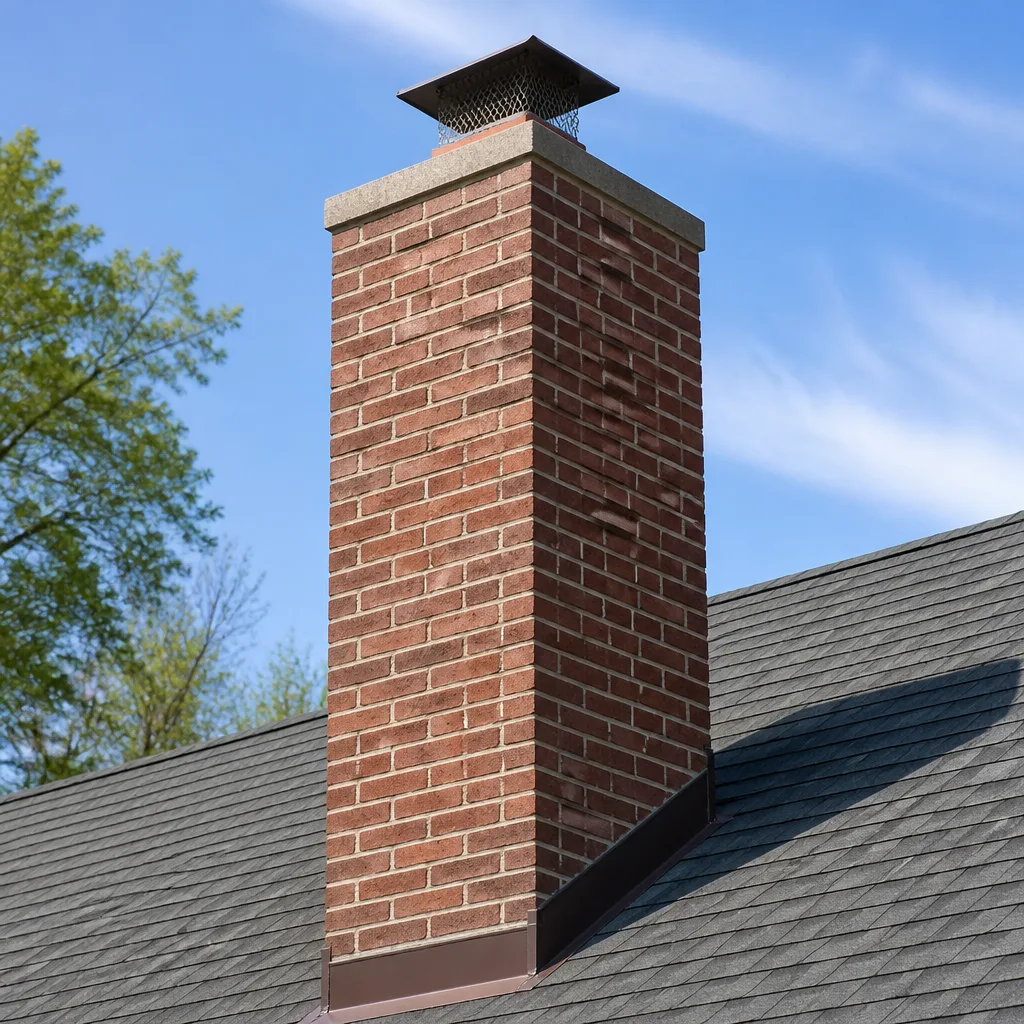 Masonry repair
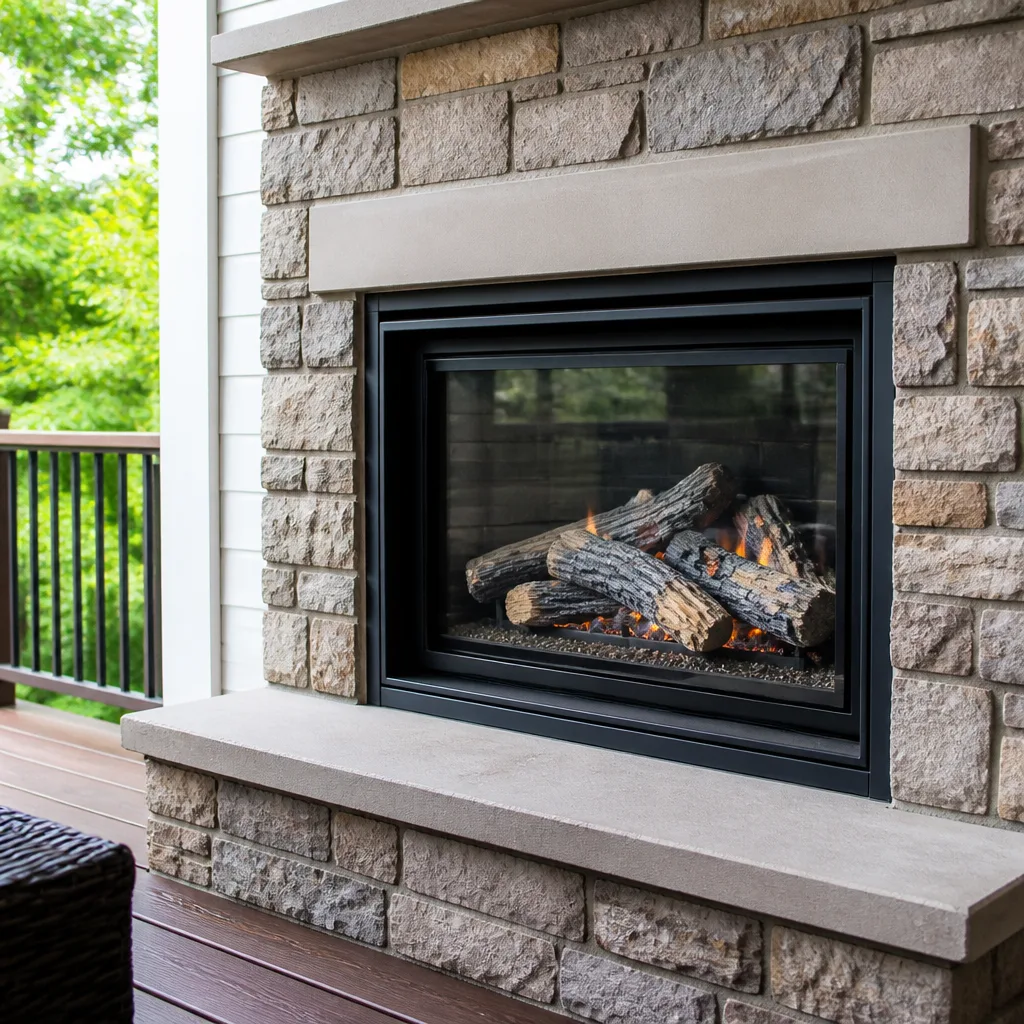 Gas fireplace service
Level 1 sweep and inspection to the NFPA 211 annual standard - flue, crown, cap, and flashing checked and photographed
Chimney sweep logs do not sweep chimneys. They loosen some creosote - which then falls where a brush and vacuum still have to collect it.
DIY vs Professional Chimney Cleaning: The Castle Rock Homeowner’s Decision Guide
You can physically clean a chimney flue yourself. The question is whether you’ll know if you’ve done it correctly, and what you’ll miss on the way through. Most homeowners who sweep their own chimney can tell you the flue looks “mostly clear.” Very few can tell you whether the liner has a hairline crack, whether the smoke chamber has been eaten away by creosote, or whether the offset joint two feet above the damper has been collecting soot for a decade. This guide draws the honest line between what’s doable in a Castle Rock home and what’s genuinely risky to attempt alone, based on how your chimney is actually built.
Quick Answer
Basic debris removal from the firebox and a visual check from the ground are within reach of many homeowners. Anything that involves the flue interior, the smoke chamber, creosote above Stage 1, or a gas insert requires professional equipment and a trained eye. In Castle Rock, where our climate swings from dry, windy winters to warm summers, creosote glazes differently than it does in humid parts of the country, which means the threshold for “clean enough” is lower than most guides suggest.
Styles & brands we work with
- Sweep & inspection
- Caps & crowns
- Flue relining
- Masonry repair
- Gas fireplace service
Table of Contents
- What Castle Rock Homeowners Can Realistically Do Safely
- What Professionals See That You Physically Cannot
- The Equipment Gap: What It Costs to Match a Pro Sweep
- Castle Rock Scenarios Where DIY Falls Short
- Creosote Stages and Why They Change the Decision
- An Honest Framework for Deciding
- Why Inspection Is the Real Deliverable
- DIY Cost vs Professional Cost: A Fair Comparison
What Castle Rock Homeowners Can Realistically Do Safely
A homeowner with basic tools and a ladder can handle a few chimney tasks without much risk, as long as they stay away from the flue interior and any height above the roofline that requires more than a stable standing position. Here’s what we consider fair game:
- Firebox debris removal. Scooping out ash and leftover wood from the firebox before a sweep or at the end of the burning season keeps the firebox floor dry and reduces what gets stirred into the air on the next fire.
- Exterior cap visual check from the ground. A pair of binoculars aimed at the top of the chimney will show a missing cap, a warped cap, or visible rust that might mean the cap is failing. That’s a real check a homeowner can do.
- Damper operation check. Opening and closing the damper by hand from inside the firebox confirms the plate swings freely and seats correctly. A damper that sticks or doesn’t close flush is worth flagging.
- Firebox brick visual inspection. Looking at the firebox walls with a flashlight for loose mortar joints, spalling brick faces, or gaps behind the firebrick is something any adult can do.
- Ash pit cleanout (if your home has one). Some Castle Rock homes with older masonry fireplaces have an ash pit door at the base. Emptying it at the end of the season is a reasonable task.
What we don’t recommend, even for a handy homeowner, is putting a brush on a rod and running it up the flue. The physical work isn’t the problem. The problem is what you can’t see while you’re doing it. If a Castle Rock chimney has a damaged liner tile and you push a brush through it, you may cause a piece of tile edge to break free and land inside the flue without knowing it. A professional sweep uses a rod and brush combination with a HEPA vacuum running at the firebox opening the whole time, which catches everything the brush loosens. A homeowner doing it by hand usually ends up with a fine dust layer across the entire living room, and no record of whether the flue came out clean.
One more thing worth saying plainly: a self-sweep does not produce an inspection report. That matters because at sale time, and for insurance purposes, a written record of the chimney’s condition is often more valuable than the cleaning itself.
What Professionals See That You Physically Cannot
The flue is a vertical column, usually 6 to 12 inches across, running 15 to 25 feet above the firebox. Looking up from the damper with a flashlight shows you the first few feet at best. The rest is out of sight unless you get a camera into the flue. Here’s what a chimney sweep with a camera sees that a homeowner cannot:
Flue liner cracks and gaps
Clay tile liners are stacked in sections with mortar joints between them. Over time, especially in Castle Rock’s freeze-thaw cycles, those joints open up. A hairline gap between two tiles is invisible from below, but it lets hot flue gases and carbon monoxide leak into the surrounding masonry and, eventually, into the house. A camera run shows every joint from top to bottom.
Smoke chamber deterioration
The smoke chamber is the sloped area just above the damper, funneling smoke into the flue. It’s the roughest, most difficult surface to clean in the whole system, and it’s also where creosote tends to pile up. If the parging on the smoke chamber walls has begun to fail, that’s not something a homeowner will spot from the firebox floor.
Offset joints and elbows
Many Castle Rock homes have chimneys that don’t run straight up from the fireplace. They jog to the side to clear a roof line or a second-floor bedroom. Every jog is an offset joint, and every offset joint is a place where creosote collects, and where a brush has to be worked differently to reach. A homeowner running a rod on a straight line will skip right past the offset.
The crown and the flashing
The chimney crown is the concrete cap at the very top of the masonry. A crown crack as narrow as a quarter-inch lets water into the masonry every time it rains or snows, and that water freezes, expands, and slowly breaks the chimney apart. From the ground, a cracked crown looks smooth. From the top of a ladder, with a trained eye, the same crown clearly needs repair. This is a major reason chimney repair often begins with something the homeowner never saw.
Stage 2 and Stage 3 creosote
Stage 1 creosote is soot and flaky carbon, and it’s the easiest to clean. Stage 2 is a crusty, flaky layer that can look almost like dried tree bark. Stage 3 is glazed, tar-like, and hard as rock. Stage 3 doesn’t come out with a standard brush. It has to be chemically softened or mechanically ground, and that work has to be done by someone who can see what they’re dealing with.
The Equipment Gap: What It Costs to Match a Pro Sweep
The reason professional sweeps charge what they charge isn’t the brush. It’s the vacuum, the rods, the camera, and the time invested in knowing what clean looks like. Here’s what a homeowner would need to buy to match a basic professional setup:
- Industrial HEPA vacuum. A standard shop vac is not rated for the fine, lung-irritating soot particles a chimney produces. A proper HEPA unit with the right filtration does the job without spreading dust through the house.
- Flexible rod system with brush heads. Chimney rods come in specific lengths and flexibility ratings. The wrong rod either won’t reach the full flue or will damage the liner tile as it flexes against the walls.
- Inspection camera. A small articulating camera run down the flue on a reel, with a monitor and recording capability for the report.
- Respirator and protective gear. Creosote is a known carcinogen on skin contact, and soot inhalation is a genuine health issue. Full respiratory protection matters.
- Drop cloths, ladder, and staging. Enough drop cloth coverage to protect the floor while work happens at the firebox.
Add it all up and the equipment cost runs into the multiple hundreds of dollars before anyone has touched the chimney. That’s not a reason to avoid DIY for everyone, but it’s a reason to be honest with yourself: if you’re not buying that gear, you aren’t really cleaning the chimney. You’re sweeping the first few feet and calling it done. A professional sweep in Castle Rock brings all of it, sweeps the full flue, runs the camera, and leaves a written report. That’s the comparison that matters.
The gear has another cost most homeowners don’t think about: storage. Chimney rods are awkward, the vacuum is bulky, and the camera reel takes up shelf space. For a task done once or twice a year, most homeowners find the storage headache alone makes DIY unappealing.
Castle Rock Scenarios Where DIY Falls Short
Castle Rock has some specific housing and climate factors that make self-sweeping less effective than it would be in a mild, humid climate. Here’s where we see DIY genuinely fall short:
Older masonry systems
Many Castle Rock neighborhoods built in the 1980s and 1990s have masonry fireplaces with clay tile liners that are now past their expected service life. Those liners are more likely to have hairline cracks or open mortar joints than a newer system. Running a brush through a cracked tile without seeing the crack is how small problems become big ones. When we see a liner that’s failed, the answer is often HeatShield liner restoration, which resurfaces the existing liner from the inside without tearing out the chimney. That’s not a homeowner-accessible process, and it’s not something a sweeping brush can address.
Stage 2+ creosote
Castle Rock’s cold winters mean fireplaces run hot and heavy through December, January, and February. Wood that isn’t fully seasoned, or a fire that’s smoldered when the damper was partly closed, both build creosote faster than a clean, hot fire does. By spring, many Castle Rock flues are carrying Stage 2 creosote that a standard brush won’t remove. Sweeping it yourself just polishes the surface of the glaze and leaves the fire hazard.
Homes with gas inserts
A gas insert doesn’t produce creosote, but it does produce a different cleaning and inspection requirement. Gas inserts have their own venting, their own draft characteristics, and their own failure modes. An annual inspection is still necessary, and the checklist is different from a wood-burning flue. A homeowner sweeping wood-fire residue out of a flue that carried gas appliances the previous season may actually be missing the real inspection issues. This is one place where a professional inspection is worth more than the cleaning.
Homes on the ridge lines and wind-exposed lots
Castle Rock sits on high ground and takes a lot of wind. Homes on the western ridge lines and in the neighborhoods with wide-open exposure to the foothills get more wind-driven rain and snow against the chimney than sheltered homes do. That accelerates crown cracking and cap damage, both of which a homeowner can’t see from inside or from the ground. Every wind-exposed Castle Rock chimney we inspect gets checked from the top, not just the flue.
Creosote Stages and Why They Change the Decision
Creosote is the residue left behind when wood smoke cools against the flue walls. The stage it’s at changes everything about how the chimney has to be cleaned:
- Stage 1: Soot and flaky carbon. Brushes out with standard chimney cleaning tools. This is what most chimneys look like after a single season of clean burning.
- Stage 2: Crusty, flaky residue. Requires a stiff brush and more time, and sometimes a chemical pretreatment to soften it. If left, it will ignite at a lower temperature than Stage 1.
- Stage 3: Glazed, tar-like coating. Requires chemical softening or mechanical grinding. This is the stage that causes chimney fires, and it is not a homeowner-removable problem.
Creosote ignites at temperatures a hot fire easily reaches. When it does, the result is a chimney fire, which can crack liner tiles, damage the smoke chamber, and spread into the surrounding framing if the chimney has any breach. Carbon monoxide is a related concern: any breach in the liner lets exhaust gases into the house, and CO is colorless and odorless. That’s why professionals treat creosote stage as a safety threshold, not a cosmetic one.
The decision this creates for a Castle Rock homeowner is straightforward. If you can confirm the creosote is Stage 1 (which requires seeing the whole flue), self-sweeping is defensible. If you can’t confirm it, you can’t know what you’re leaving behind. That’s the honest line. It’s also why we recommend a professional chimney inspection for any Castle Rock home that hasn’t been serviced in a year or more.
One last point on creosote. A chimney that was cleaned to Stage 1 in November can go to Stage 2 by February if the wood was wet or the fire was smoldering. The stage isn’t fixed. It changes with each season’s burn habits.
An Honest Framework for Deciding
Not every Castle Rock homeowner needs a professional sweep. Some do, some don’t, and the difference comes down to three questions you can answer honestly about your own chimney:
- How old is the chimney system? A masonry fireplace built in the last decade with a modern liner is far more tolerant of infrequent sweeping than a 1980s-era chimney with clay tile. If your Castle Rock home is older than about 25 years and has never had a full inspection, that’s a strong case for professional.
- When was the last professional service? If a professional sweep has been in the flue within the last year, you have a baseline. If it’s been three or more years, self-sweeping is guessing against an unknown starting point. Get a professional inspection first, then decide about DIY for the routine cleaning going forward.
- How often do you burn? A single cord a year of properly seasoned wood, burned hot and clean, builds creosote slowly. Three cords of unseasoned softwood burned with a partly closed damper builds it quickly. Match the cleaning method to the burn habit, not to what a neighbor says works for their fireplace.
Here’s how that shakes out in practice:
- Modern chimney, professional service in the last year, low use: DIY is defensible. A basic firebox clean and a mid-season flue brush are reasonable, provided you can see the flue sufficiently and know what you’re looking for.
- Any age chimney, no professional service in three or more years: professional first. Get the inspection and cleaning done as a baseline, then re-evaluate DIY for the following year.
- Older masonry, Stage 2+ creosote, or a gas insert: professional, every time. These are the cases where DIY is genuinely insufficient, and where the risk isn’t inconvenience but actual hazard.
- Chimney has visible damage, rusted cap, or crumbling crown: professional. Cleaning a chimney that needs repair is putting a bandage on a wound. The structural issue needs to be fixed first.
This is the framework we use when we talk to a Castle Rock homeowner about their chimney. It’s not a default push toward hiring out. It’s a real distinction based on what your specific chimney can and can’t tolerate.
Why Inspection Is the Real Deliverable
Cleaning a chimney is the visible task. Inspection is the actual deliverable. A professional sweep that leaves a Castle Rock home without a written record of what was found is a missed opportunity, whether it was a Castle Rock Chimney Sweep visit or any other professional’s. Here’s what an inspection report should contain:
- The creosote stage observed at the flue, smoke chamber, and damper.
- Any liner condition findings: tile cracks, open joints, joint separation, or evidence of previous liner damage.
- The condition of the smoke chamber parging and the damper assembly.
- Exterior condition: cap, crown, flashing, and masonry joints.
- A recommendation for any repair work, ranked by urgency (this season vs next vs monitor).
That report is what tells you whether the chimney is safe for the coming burn season, and it’s also what prevents the classic chimney-repair oversell, where a homeowner is told they need a new liner based on nothing more than a glance. At Castle Rock Chimney Sweep, we don’t make a repair recommendation without camera footage the homeowner has seen. If the liner has failed, you’ll see it yourself before any work is discussed. If it hasn’t, we’ll be honest about that too, and say plainly when work can safely wait until next season.
If you have a masonry chimney that needs structural attention, the chimney repair we do uses HeatShield for liner restoration and DuraFlex for liner replacement, both of which are industry-standard materials certified sweeps across the country rely on. For chimney caps and crowns, we work with Famco and Copperfield components, which is the difference between installing a cap that lasts and installing a cap that warps in the first hard Castle Rock windstorm.
DIY Cost vs Professional Cost: A Fair Comparison
The DIY math looks simple until you price the gear. A basic, honest comparison for a Castle Rock homeowner:
| Item | DIY path | Professional path |
|---|---|---|
| HEPA vacuum rated for soot | Buy once, multiple hundreds of dollars | Included in service |
| Chimney rod system with brushes | Buy once, meaningful cost | Included in service |
| Inspection camera with reel | Rarely purchased by homeowners due to cost | Included in inspection |
| Written inspection report | Not produced | Produced every visit |
| Time per cleaning | Several hours, plus cleanup | A booked appointment, done in one visit |
| Follow-up repair if a problem is found | Not addressed | Same provider carries it through |
Pricing is per job by written estimate, and we don’t quote numbers out of context. For an exact quote on your specific chimney, call us and we’ll set a written estimate before any work is booked. The estimate is free.
The honest summary: DIY looks cheaper on paper because it compares “nothing” against “the service price.” Once you account for the equipment you’d need to do the job properly, and the fact that the professional visit includes an inspection and a written report, the gap narrows considerably. And for any Castle Rock chimney older than about 25 years, the inspection alone is worth the visit.
Common Mistakes to Avoid
- Assuming a clean-looking firebox means a clean flue. The firebox floor is what the homeowner sees most easily, and it’s the least important part of the system for fire safety. The creosote that matters is on the flue walls, above the smoke chamber, where it’s invisible.
- Sweeping with a shop vac instead of a proper HEPA vacuum. Standard shop vacuums exhaust the fine soot particles right back into the room. That’s a health issue for everyone in the house, and a cleanup issue for weeks afterward.
- Using the wrong brush size on a damaged liner. A brush that fits a 6-inch flue will flex against an 8-inch tile and can crack the edge. Whichever size you use, the flue dimensions matter, and most homeowners don’t know them.
- Cleaning the firebox but not running a camera. The cleaning is the visible portion. The camera run is what tells you the chimney is safe. Skipping it is skipping the part that actually matters.
- Burning unseasoned wood to “get through the season.” Wet wood builds creosote faster than dry wood, and it’s the most common cause of a Castle Rock chimney reaching Stage 2 in a single winter. Buy seasoned wood and store it dry.
- Putting off the repair after a finding. If the crown is cracked or the cap is missing, every rain and snow event is doing more damage. The repair cost is far lower when it’s done at the finding than when it’s done after several seasons of water intrusion.
- Assuming the gas insert needs no service. A gas insert still needs an annual inspection, and the inspection checklist is different from a wood-burning flue. Skipping it is a common oversight in homes that only occasionally use the fireplace.
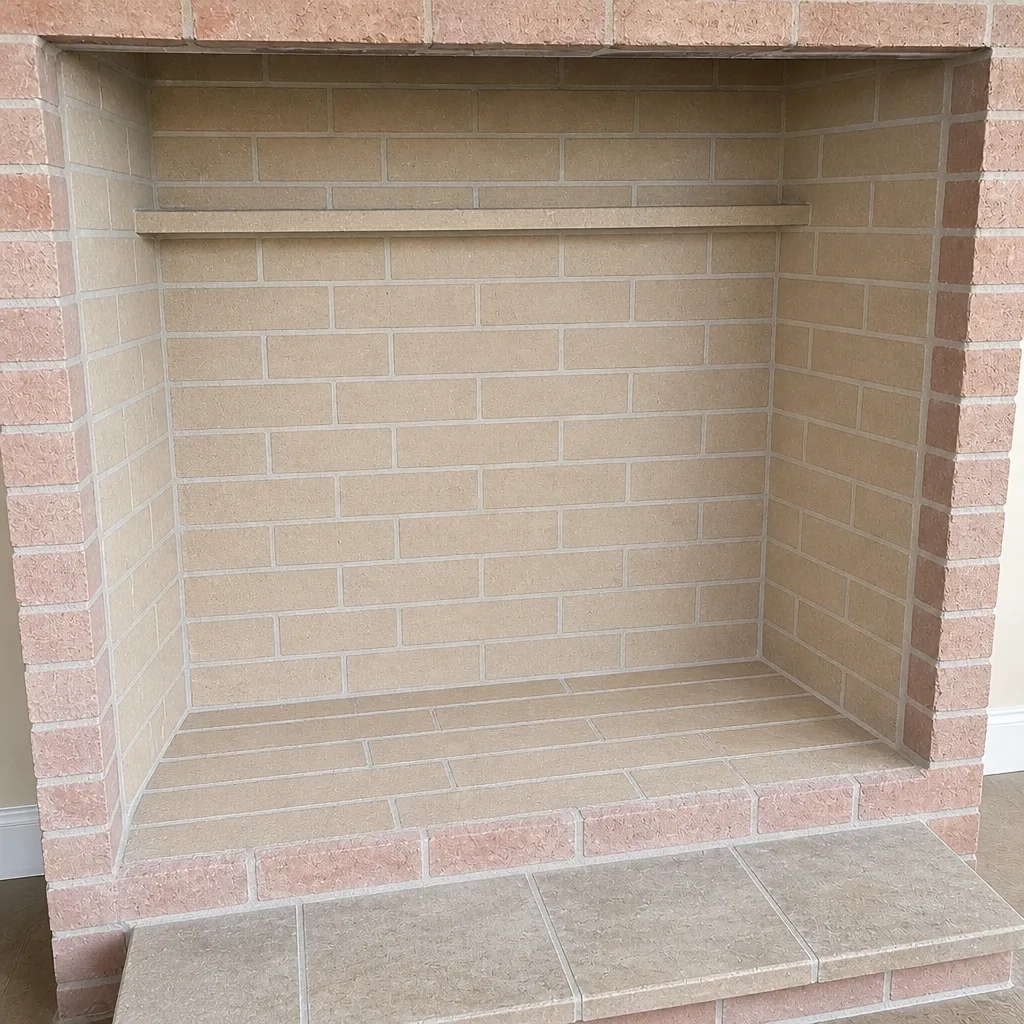
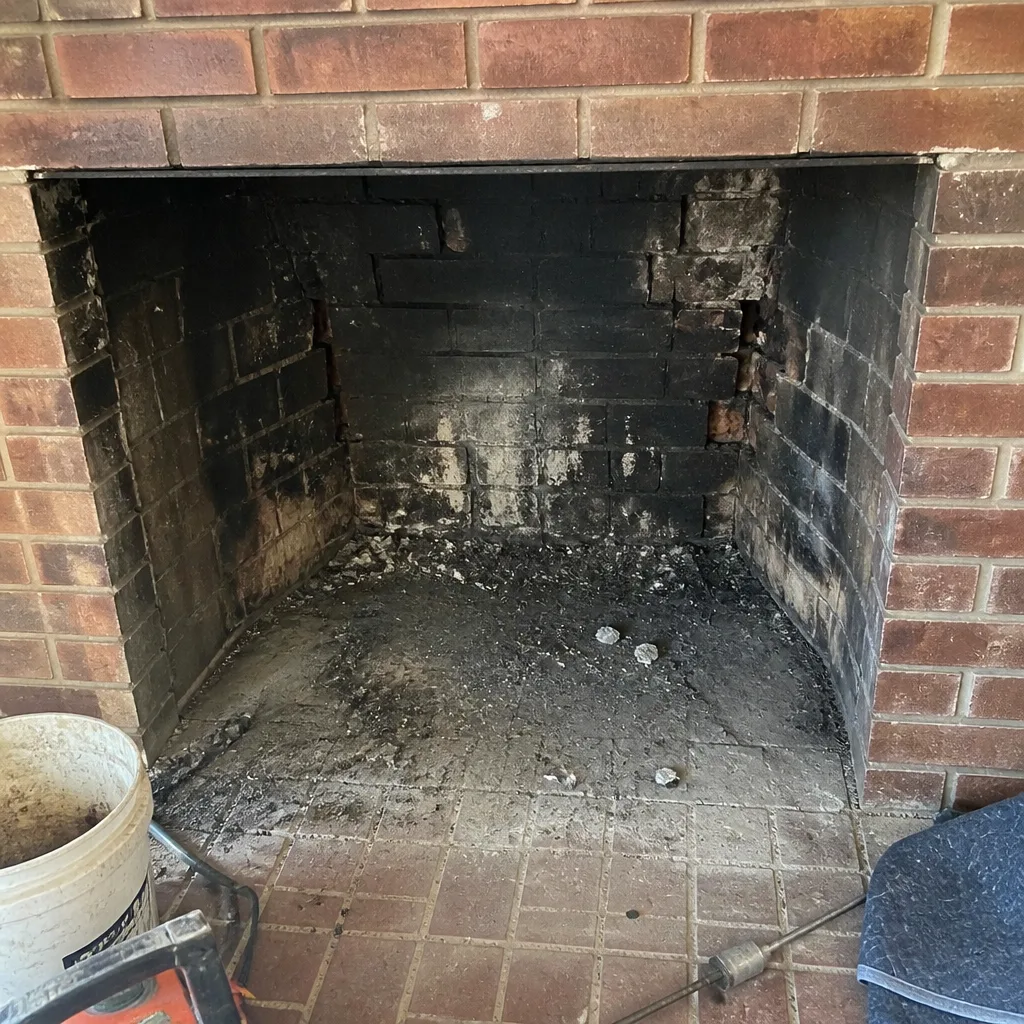
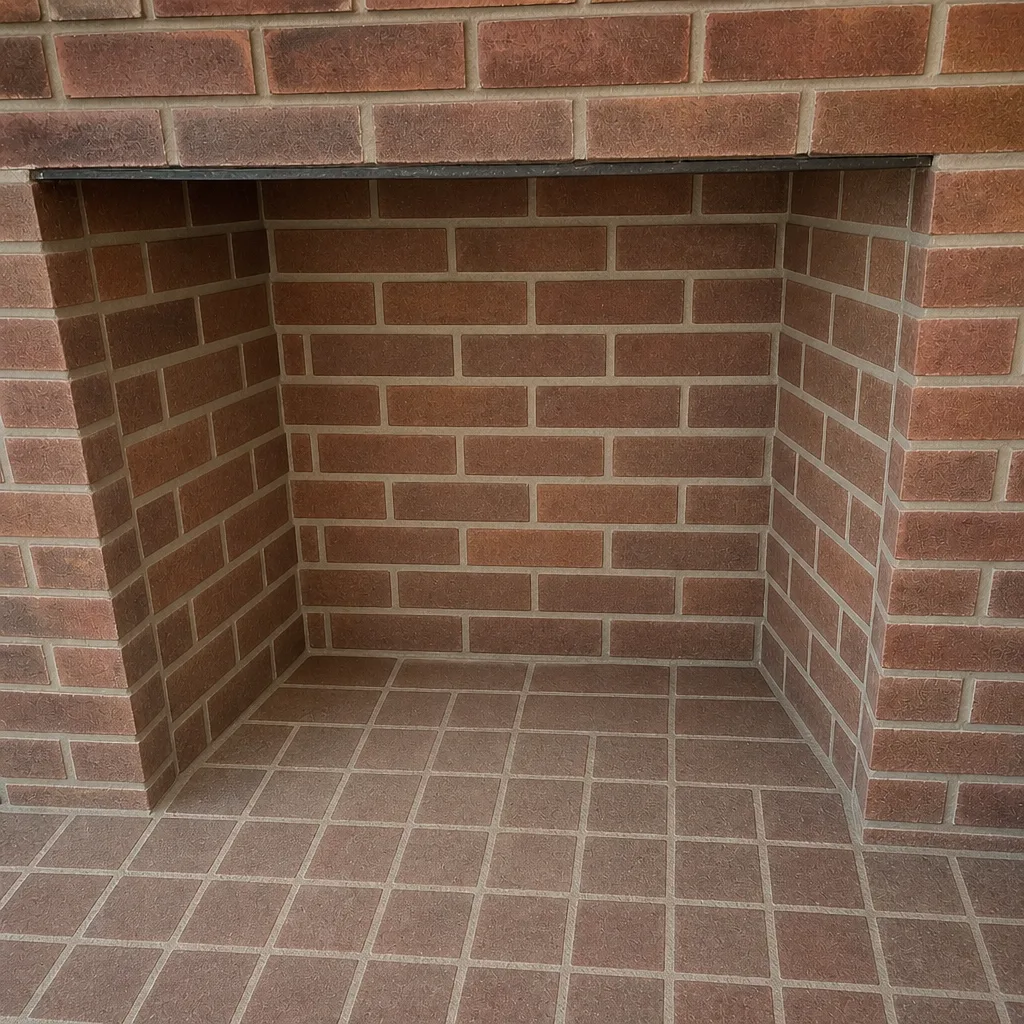
See the difference
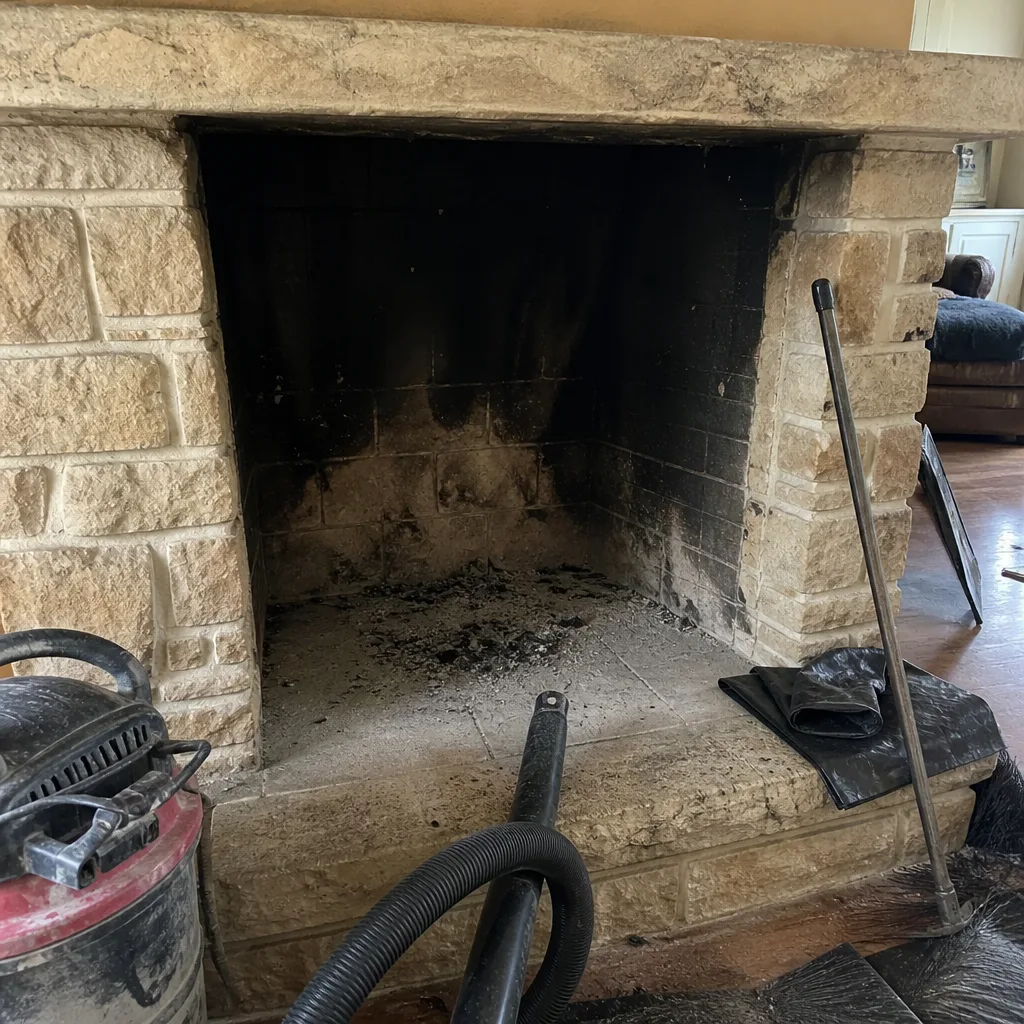 Before
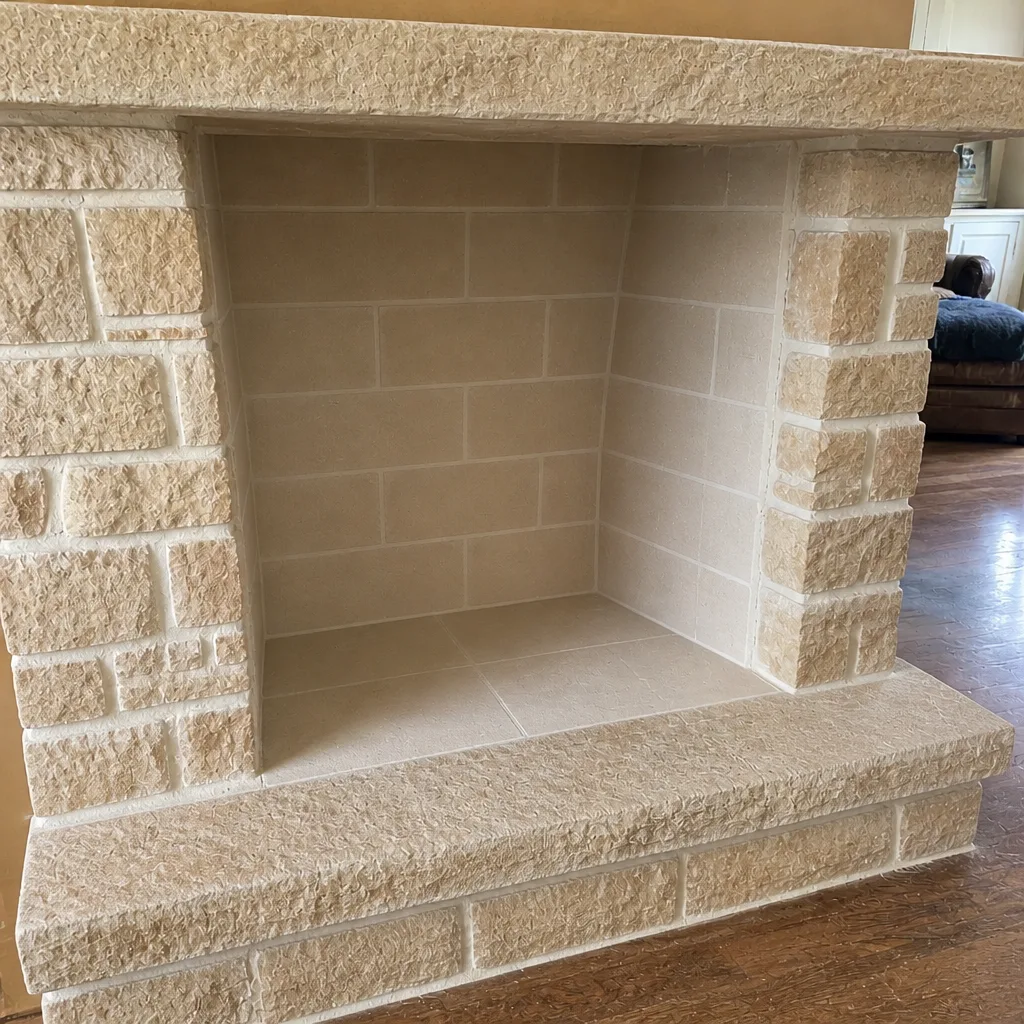 After
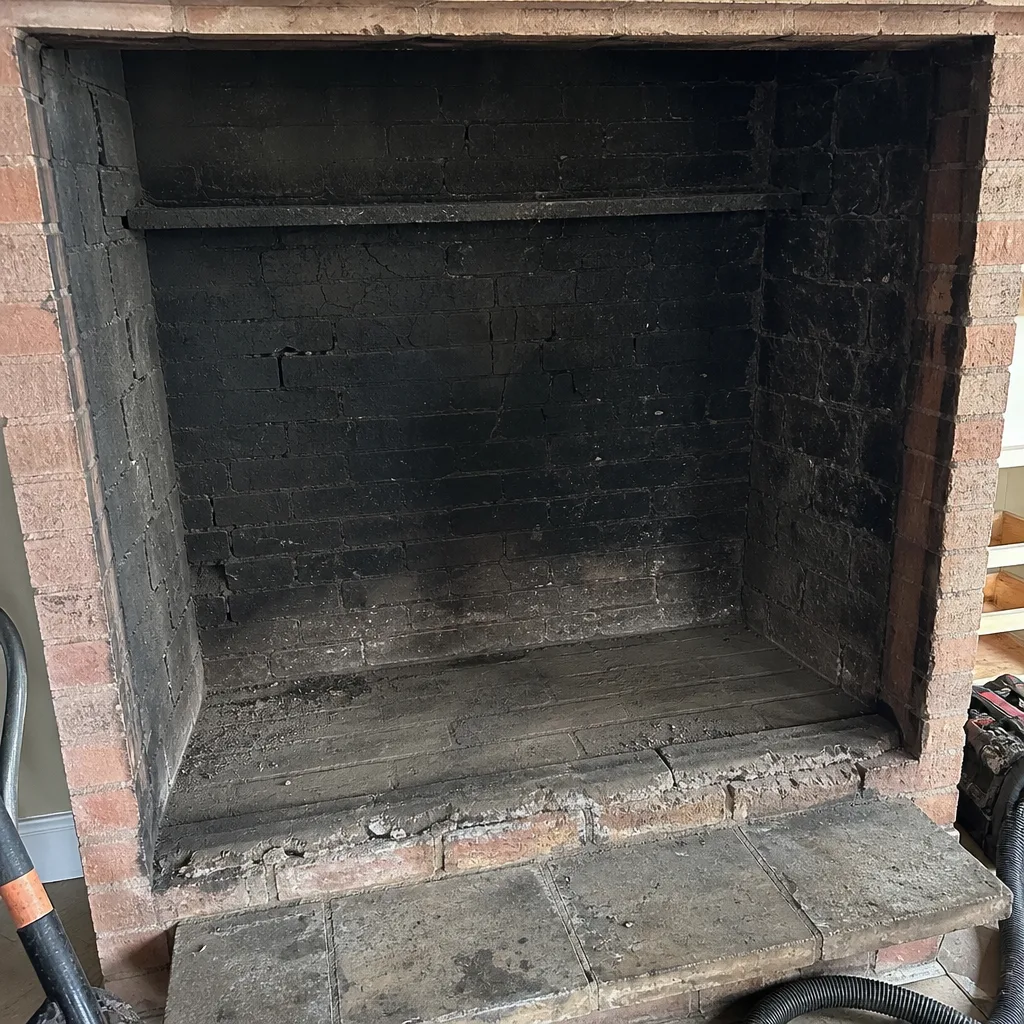 Before
 After
 Before
 After
When to Call a Professional
Call a professional for any of these conditions, in Castle Rock or anywhere nearby:
- You haven’t had a professional sweep in three or more years.
- You can see Stage 2 or Stage 3 creosote anywhere in the firebox or smoke chamber.
- The cap is missing, warped, or visibly rusted through.
- The crown has visible cracks or crumbling concrete.
- You have a gas insert that hasn’t been inspected in the last year.
- You’ve had a chimney fire, even a small one.
- You smell smoke in the house when the fireplace isn’t burning, or you have a CO detector that has ever alarmed near the fireplace.
Any of these situations means the flue needs to be seen by someone with a camera, and the chimney may need fireplace repair or liner work before the next fire. Castle Rock Chimney Sweep offers free estimates in Castle Rock. Call (844) 883-7423 for a written estimate. We inspect before we leave, and we’ll tell you plainly if the chimney can wait until next season.
Frequently Asked Questions
You can safely remove firebox debris and do a visual check from the ground, but sweeping the full flue requires equipment most homeowners don’t own, and the camera inspection that goes with it is the part that actually confirms your chimney is safe. If your Castle Rock chimney is older masonry, or if creosote is above Stage 1, self-sweeping isn’t sufficient. Call (844) 883-7423 for a free estimate on a professional sweep and inspection.
An annual chimney sweep is the standard recommendation for any home that burns wood regularly, and once per year is also the right inspection frequency for a gas insert. Castle Rock homes with heavy winter burn and older masonry benefit from the annual visit more than mild-climate homes do, because creosote accumulates faster in a colder season. If it’s been more than a year, call (844) 883-7423 to book a sweep.
Creosote continues to build up on the flue walls, and once it reaches Stage 2, ignition temperatures drop and a chimney fire becomes a real possibility. A single skipped season on a clean chimney is usually fine. Three skipped seasons on an older masonry chimney is where we see real risk. Call (844) 883-7423 if you’re unsure which situation you’re in.
Yes, in specific cases: a modern chimney, professionally serviced within the last year, with low burn frequency and clean-burning habits. In that scenario, a basic firebox clean and a mid-season flue brush is defensible. For anything else, a professional visit is the right starting point, because the inspection matters more than the cleaning. Call (844) 883-7423 and we’ll tell you honestly which category your chimney fits.
Yes. A gas insert needs an annual inspection just like a wood-burning flue, and the checklist is different: venting, draft, and appliance connection all need to be checked. Skipping the gas inspection is one of the more common oversights we see in Castle Rock homes. Call (844) 883-7423 to book an inspection.
You can’t know for certain without a camera run of the full flue. From the firebox, Stage 2 looks like a crusty, flaky layer, and Stage 3 looks like a smooth, tar-like glaze, but the visible portion is only the bottom few feet. The rest requires a professional inspection to confirm. Call (844) 883-7423 for an inspection and photo report you can see for yourself.
The Bottom Line
DIY chimney cleaning isn’t the real question. The real question is whether you can see what a camera sees, and whether you’re equipped to handle what that camera finds. A Castle Rock homeowner can reasonably keep the firebox clean and check the cap from the ground. Anything involving the flue interior, creosote stage, liner condition, or gas insert service belongs to a professional with the right equipment, the right training, and a written report at the end. If your chimney hasn’t been serviced in a year or more, or you’ve had any visible damage, that’s the moment for a professional visit. We’re prompt to respond when a Castle Rock homeowner calls, and we’ll give you an honest read on what your chimney actually needs.
Call (844) 883-7423 for a free estimate. We answer 24/7. Fast dispatch from 7am to 7pm, Sunday through Friday.
Written by the team at Castle Rock Chimney Sweep.