
Last updated November 23, 2026
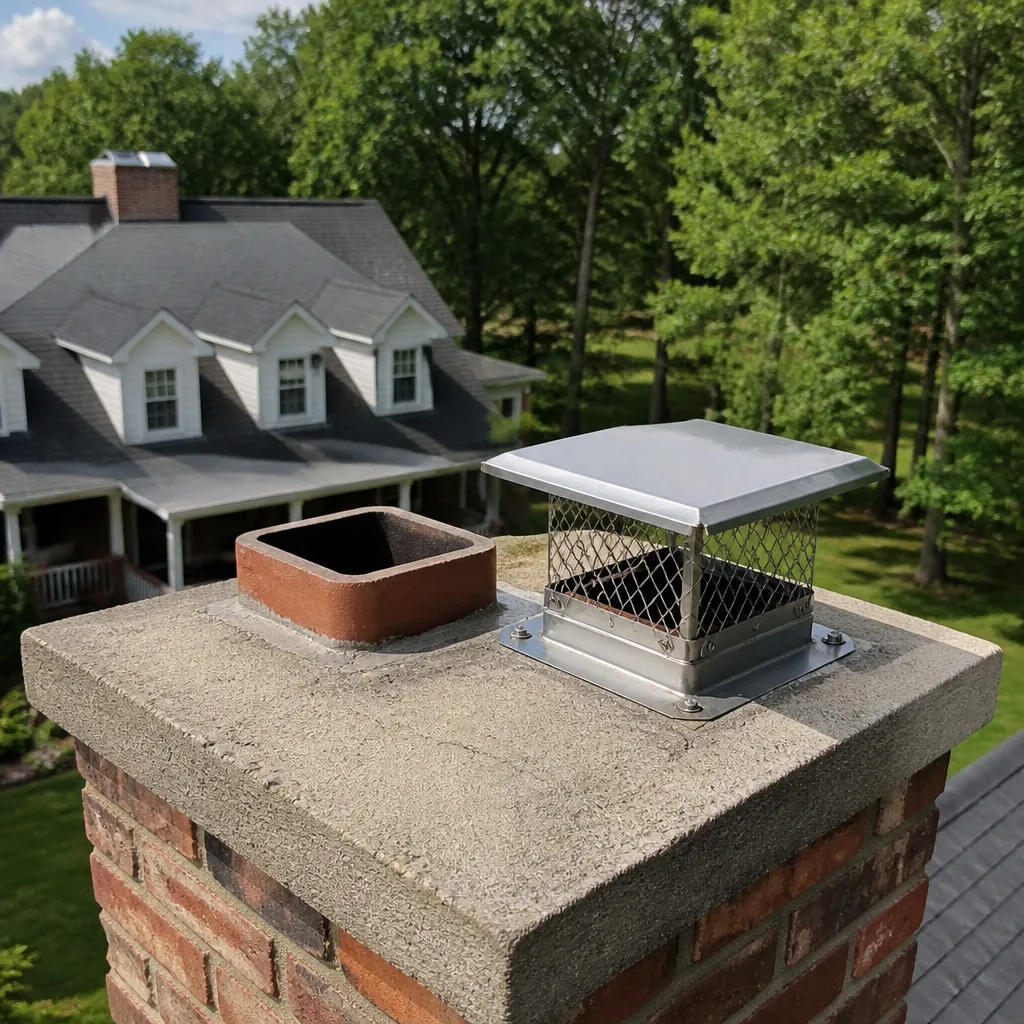 Sweep & inspection
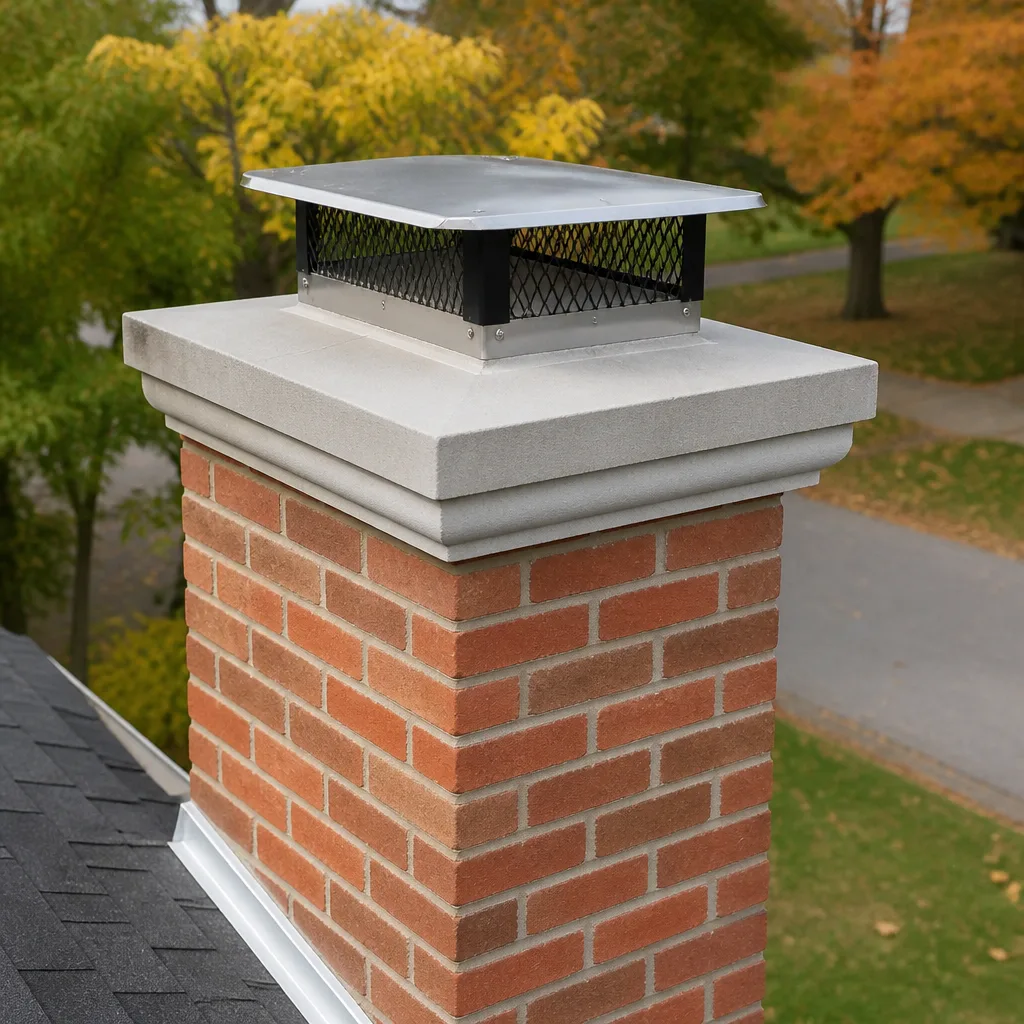 Caps & crowns
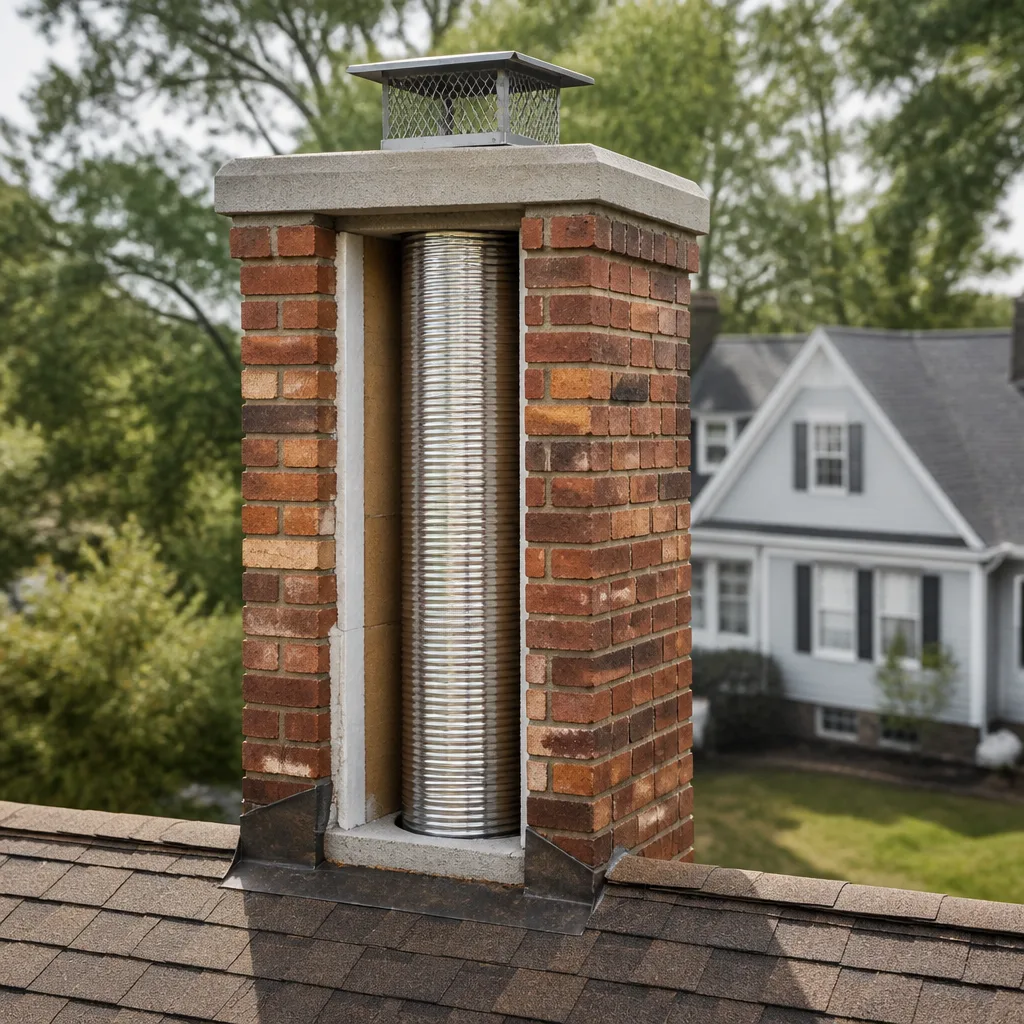 Flue relining
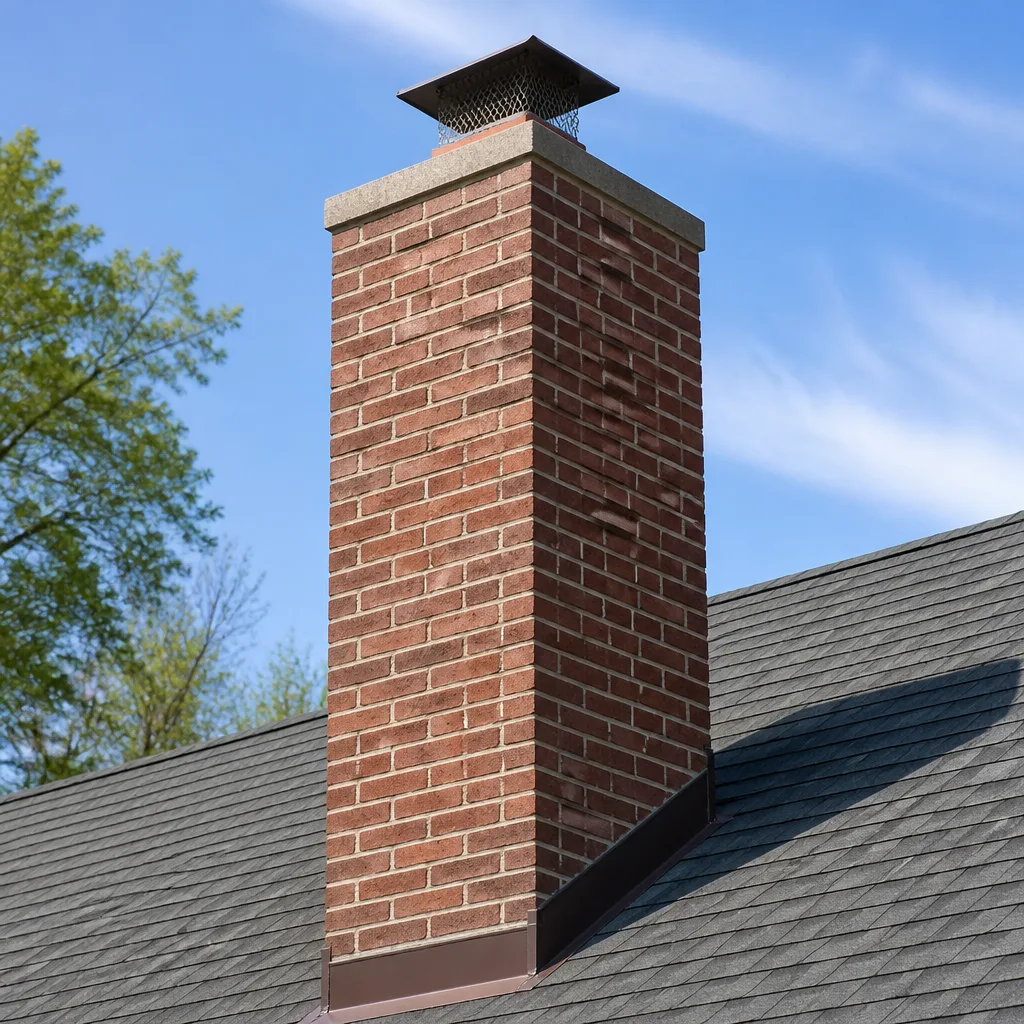 Masonry repair
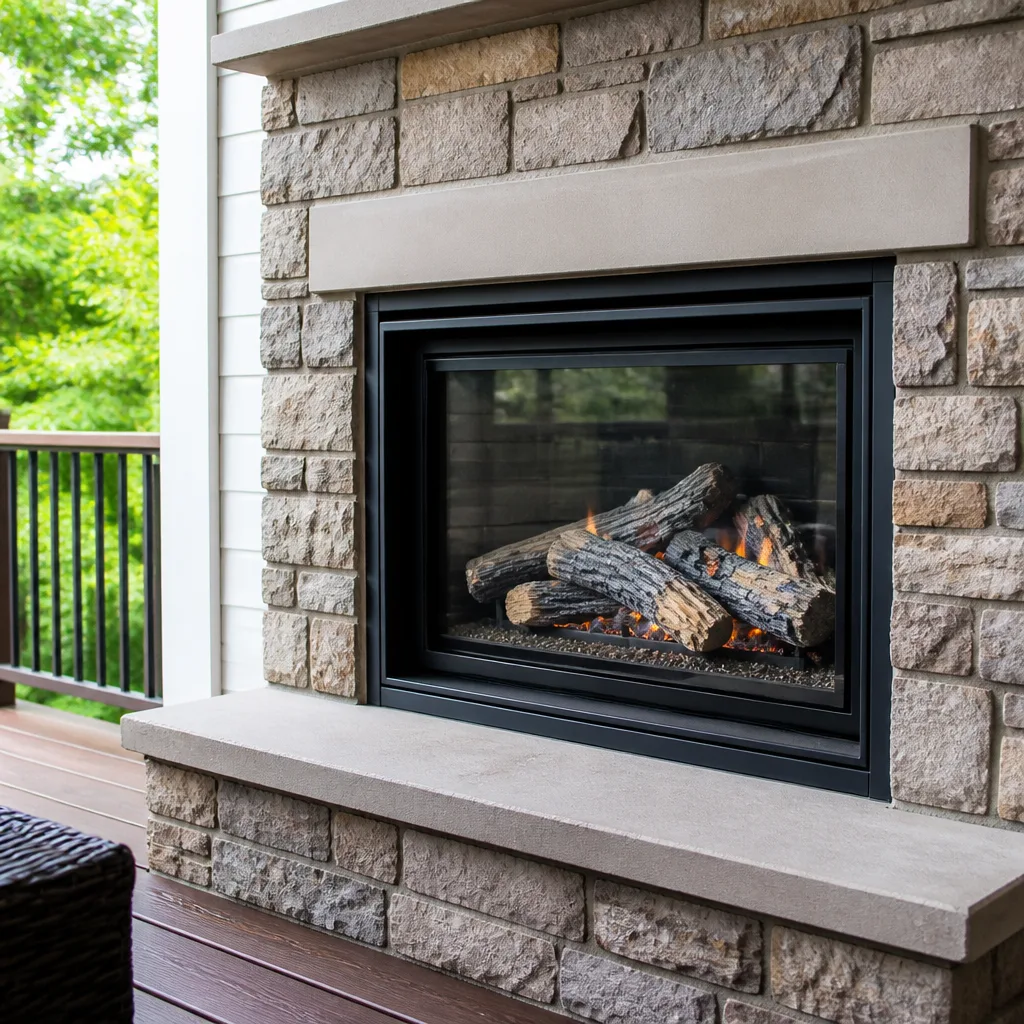 Gas fireplace service
Level 1 sweep and inspection to the NFPA 211 annual standard - flue, crown, cap, and flashing checked and photographed
Chimney sweep logs do not sweep chimneys. They loosen some creosote - which then falls where a brush and vacuum still have to collect it.
Chimney Cleaning Cost Breakdown: The Castle Rock Homeowner’s Reference for 2026
A $99 chimney cleaning quote and a $299 chimney cleaning quote are often for different scopes of work, not different profit margins. That gap confuses a lot of Castle Rock homeowners, and understandably so. One number might cover a brush-and-vacuum with nobody looking up the flue afterward. The other might include a camera inspection, a written report, and a clear explanation of what the flue actually looks like inside. If you’re comparing quotes for chimney cleaning in Castle Rock this year, you need to know exactly what sits behind each number. This guide breaks down the real cost drivers, what a fair baseline looks like in our market, how to spot a legitimate add-on versus padding, and why price shopping on this particular service carries more risk than it does on most home repairs.
Quick Answer
A standard chimney cleaning in Castle Rock, including a Level 1 inspection, typically runs $150 to $300 in 2026, depending on flue access, roof pitch, and how much creosote has built up. Costs climb above that baseline when the job involves a tall or difficult flue, heavy or hardened creosote, animal intrusion, damaged liner components, or a chimney cap and crown that needs attention. Chimneys in worse condition cost more to clean because the work is genuinely more involved, not because the price is inflated.
Styles & brands we work with
- Sweep & inspection
- Caps & crowns
- Flue relining
- Masonry repair
- Gas fireplace service
Table of Contents
- What does a standard chimney cleaning cost in Castle Rock?
- What drives the cost above the baseline?
- Creosote stages and why they change the price
- How to tell a legitimate add-on from upsell padding
- The cost of not cleaning: what deferred maintenance really runs
- Why price shopping here is riskier than on other home services
- What a proper Level 1 inspection actually includes
- Common mistakes to avoid
- When to call a professional
- Frequently asked questions
What does a standard chimney cleaning cost in Castle Rock?
A standard chimney cleaning with a Level 1 inspection in Castle Rock typically falls between $150 and $300. That range covers the most common residential setup: a single flue, a fireplace or wood stove you use regularly, reasonable roof access, and creosote in the normal first-stage condition. The written estimate you receive before any work begins sets the final price, so treat these figures as typical estimates rather than fixed quotes.
What should that baseline include? A cleaning is not complete just because the flue got brushed. Our process at Castle Rock Chimney Sweep treats inspection as a built-in step, not an add-on, so it belongs in the standard price. When you book a chimney sweep, the following should be part of the job:
- A visual check of the firebox, damper, smoke chamber, and flue interior
- Removal of soot and creosote from the flue and firebox
- A check of the chimney cap and crown for cracks or gaps
- A look at the flashing where the chimney meets the roof
- A brief explanation of what was found, in plain language
If a quote comes in well under this range, ask what’s included. Sometimes a low price reflects a straightforward chimney with no access problems, and it’s a legitimate number. More often it reflects a narrower scope. You want to know whether the technician plans to inspect the flue interior, whether they’ll check the cap and crown, and whether they’ll put findings in writing. Those questions separate a cleaning from a genuine assessment.
Castle Rock sits at high elevation along the Front Range, which matters for how much creosote a chimney accumulates. Cooler nights stretch into spring and return early in fall, so many homeowners run their fireplaces across a longer season than they might expect. More burn hours mean faster buildup, which is one reason a yearly sweep is worth budgeting for here rather than treating as an occasional expense.
What drives the cost above the baseline?
Chimney cleaning costs in Castle Rock vary because chimney condition varies. Two houses on the same street can produce very different quotes. The price difference almost always traces back to one or more of the factors below, and each of them adds real labor or real materials.
Flue height and roof access
A chimney that rises well above the roofline, sits on a steep pitch, or is surrounded by obstructions takes longer to access safely and clean thoroughly. Taller flues need more brush extensions and more careful work at the top. Roof geometry matters too. A straightforward gable roof is quicker to work on than a complex design with valleys and dormers close to the chimney.
Creosote stage
Light, flaky creosote brushes out easily. Glazed creosote bonds to the flue walls and requires chemical treatment or mechanical removal before it can be safely cleared. Stage 3 creosote can push a cleaning well above the baseline because it needs more time, specialized products, and often a follow-up visit. We cover this in detail in the next section.
Animal intrusion
Birds, squirrels, and other animals find uncapped chimneys in Castle Rock and build nests inside them. Removing a nest, disinfecting the flue, and addressing whatever allowed the animal in adds time to the job. It also points to a missing or damaged cap.
Liner condition
If the flue liner has cracks, gaps, or missing sections, a cleaning alone doesn’t solve the problem. The technician will flag it, and the estimate will reflect what a proper fix involves. A HeatShield liner restoration, for example, addresses interior damage without a full relining, and it’s a service many sweep-only operations simply don’t offer.
Cap and crown condition
A cracked crown or a loose cap lets water into the masonry, which is the leading cause of long-term chimney deterioration along the Front Range. Installing a proper cap, using a Gelco or Famco product, resolves it at the source. If the estimate includes cap work, it’s usually because the inspection found a real gap, not because the technician wanted to pad the bill.
Creosote stages and why they change the price
Creosote is the residue left behind when wood burns, and it accumulates in three distinct stages. Each stage is harder to remove than the last, and the price of a cleaning rises accordingly. Understanding the stages helps you judge whether a quote makes sense.
- Stage 1: Sooty and flaky. This is the normal condition after a season of burning. It brushes off with standard tools. Most cleanings at the baseline price fall here.
- Stage 2: Brittle and crusty. Creosote has bonded to the flue walls and needs firmer mechanical action to remove. Expect the job to take longer and the price to sit toward the top of the baseline range.
- Stage 3: Glazed and hardened. Creosote has fused into a dense, tar-like layer. Standard brushing won’t touch it. Removal requires chemical treatment or specialized tools, sometimes across more than one visit. This is where legitimate costs climb well above baseline.
Stage 3 creosote is also the stage that raises real safety concerns. It’s highly flammable, and a chimney fire fed by glazed creosote burns hotter and longer than one fed by light soot. That’s not a reason to panic, but it’s a reason to treat a Stage 3 finding seriously. If a technician tells you your flue is at Stage 3 and recommends chemical treatment, that’s a legitimate add-on. Ask to see the flue interior on camera before you agree to anything, and any honest specialist will show you.
Burning properly seasoned wood reduces how fast creosote builds. Wood that’s still green or damp produces more smoke and more residue, so a simple change in what you burn can lower your cleaning costs over time. It also cuts down on how often you find yourself in the Stage 2 or Stage 3 range.
How to tell a legitimate add-on from upsell padding
Not every line added to a chimney estimate is padding, and not every add-on is honest. The difference comes down to evidence. A legitimate recommendation is tied to something the technician observed inside your flue, and it can be shown to you. Padding is a recommendation you’re asked to accept without seeing why.
Here’s how to sort one from the other:
- Ask for camera evidence. A technician recommending liner work should be able to show you the crack or gap on camera. If they can’t, don’t agree to the work yet.
- Match the recommendation to the finding. Chemical treatment for Stage 3 creosote makes sense. Chemical treatment for light Stage 1 soot doesn’t.
- Check whether the fix addresses a cause. A cap installation protects against moisture and animal intrusion at the source. A cosmetic patch that leaves a cracked crown in place doesn’t solve anything.
- Look for the written report. A credible estimate lists what was found, what it costs to fix, and what’s optional.
- Ask what happens if you wait. There’s a real answer to this question. Sometimes work can safely wait a season. Sometimes it shouldn’t. A specialist will tell you which is which.
We work with professional-grade trade materials for a reason. DuraFlex flexible liner systems, HeatShield ceramic liner restoration, Olympia Chimney components, and Gelco and Famco caps are the kinds of products certified chimney specialists nationwide rely on. When an estimate names the material being used, it’s a sign the technician is thinking about how the repair will hold up, not just what it costs today. If you’re weighing that against a vague “we’ll fix the liner” line, ask for specifics.
One helpful test: if the add-on could be recommended to every customer regardless of what anyone observed, it’s probably padding. Real recommendations are specific to your chimney.
The cost of not cleaning: what deferred maintenance really runs
Skipping a cleaning to save a couple hundred dollars can end up costing far more later. The reason is structural. Chimneys fail slowly, and the failure usually starts small, in the form of moisture getting into masonry or creosote hardening against the flue walls. By the time it shows up as a visible problem, the repair has grown well beyond a cleaning.
Here’s the general progression, from most to least expensive, when cleaning gets deferred:
- Structural masonry repair. Cracks in the crown or mortar joints that went unaddressed let water penetrate the masonry. Left long enough, this leads to spalling brickwork and repair work well above the cost of a cleaning.
- Full liner replacement. A failed liner often means a full relining job, which is a substantial project compared to cleaning.
- Liner restoration. A HeatShield application can repair interior damage before it becomes a full replacement, so catching the problem early saves on scope and cost.
- Fireplace rebuild. If the firebox or smoke chamber has deteriorated, a fireplace repair can become a larger reconstruction.
- Chimney fire damage. This is the most expensive outcome, and the one a regular cleaning is designed to prevent.
The point isn’t to sell you on fear. It’s the opposite. A properly cleaned and inspected chimney tells you where you stand, and knowing where you stand lets you plan. The house that gets swept each year usually stays in the low-cost bracket. The house that goes three or four seasons without a sweep is the one that eventually requires chimney repair work that could have been avoided.
In Castle Rock, the Front Range freeze-thaw cycle adds another pressure. Water that gets into a crack in the crown expands when it freezes and widens the crack over a winter. A small flaw in autumn becomes a bigger one by spring. That’s a strong argument for having the cap and crown checked every year, not just the flue.
Why price shopping here is riskier than on other home services
Comparing quotes on house painting or gutter cleaning is reasonable. Comparing quotes on chimney cleaning is reasonable too, with one difference: the consequences of a cheap, incomplete job are worse. A missed crack in the liner doesn’t show up as a bad paint job. It shows up as a hidden hazard you won’t notice until something goes wrong.
The risk shows up in a few specific ways:
- You can’t see the inside of your own flue. Unlike a dirty gutter or a stained wall, the flue interior is out of view. You depend on the technician’s honest assessment. That makes the question of who you hire matter more, not less.
- A sweep-only operation stops at the sweep. If the inspection finds damage, a cleaning-only provider has to refer you elsewhere. The referral isn’t automatically a problem, but it means nobody carries the finding through to the fix.
- Material quality is invisible up front. A quote that undercuts the market is often a quote that uses cheaper materials. We work with brands like HeatShield, Gelco, Olympia Chimney, and Famco because those are the materials built to last in a real repair, not a patch.
- One provider means no runaround. When the same specialist who inspected the chimney can also handle the repair, findings don’t get lost in a handoff.
None of this means the highest quote is always best. It means the right comparison isn’t total versus total. It’s scope versus scope, evidence versus evidence, materials versus materials. A quote that’s slightly higher but includes a proper inspection and a written report is usually the better value. A quote that’s lowest but includes nothing beyond a vacuum and a brush leaves you without the information you actually need.
One more thing worth knowing: our technicians have up to 8 years of experience. We’re not a seasonal side business picking up odd jobs. Every job starts with a look inside the chimney, and every estimate is written down so you can compare it fairly.
What a proper Level 1 inspection actually includes
A Level 1 inspection is the standard visual check that goes with a routine cleaning. It’s the most common inspection for a chimney that hasn’t changed and hasn’t had a problem, and it covers the readily accessible parts of the system. If you’re booking a cleaning, a Level 1 inspection should come with it as a matter of course.
Here’s the sequence we follow when we inspect before we leave:
- Check the firebox and damper. Look for cracks, gaps, and damper function.
- Inspect the smoke chamber and flue interior. Look for creosote stage, liner condition, and obstructions.
- Examine the chimney cap and crown. Look for cracks, gaps, and signs of water intrusion.
- Look at the flashing and roofline. Check for separation where the chimney meets the roof.
- Record what’s found and explain it. Findings go in writing so you can plan and so you have a record.
The inspection is the reason the cleaning has value beyond a clean flue. It’s also why we treat inspection as part of the price, not an upsell. A homeowner who gets a cleaning without an inspection has a clean chimney and no idea what condition it’s in. That’s a bad trade at any price.
If the Level 1 inspection turns up something that needs a closer look, a more involved inspection may be warranted. We’ll tell you when that’s the case and why. What we won’t do is recommend expensive work without showing you the evidence first.
Common Mistakes to Avoid
- Choosing a quote on price alone. The lowest quote often reflects the narrowest scope. Ask what’s included before comparing totals, or you’re comparing a clean flue to a clean flue plus an inspection report and not noticing the difference.
- Skipping the inspection to save a little. A cleaning without an inspection leaves you with no information about liner condition, cap integrity, or creosote stage. The inspection is the part that tells you whether next year is a quiet year or a repair year.
- Assuming a cap and crown are cosmetic. In Castle Rock, where freeze-thaw cycles work on cracks over winter, a damaged crown is a path for water into the masonry. Fixing it early prevents the kind of structural repair that runs far above a cleaning.
- Burning unseasoned wood to stretch the woodpile. Green or damp wood produces more creosote, which pushes the flue toward a higher creosote stage and a higher cleaning price. Properly seasoned wood burns cleaner and costs less to maintain.
- Ignoring a Stage 3 creosote finding. Glazed creosote is highly flammable and doesn’t go away on its own. If a technician shows you Stage 3 creosote on camera, take the chemical treatment recommendation seriously.
- Assuming a sweep-only operation can handle a repair. Some sweeps stop at the cleaning. If the inspection finds liner or masonry damage, you want a full-service specialist who can carry the finding through to the fix, not a referral you have to chase down separately.
- Waiting for a visible problem before booking. Most chimney issues aren’t visible from the living room. By the time a problem is obvious, it’s usually a repair, not a cleaning.
When to Call a Professional
Call a chimney professional when you’ve burned through a season and haven’t had the flue cleaned and inspected, when you notice smoke backing into the room or a draft that seems off, when you see staining or crumbling on the chimney exterior, or when you can smell a strong, tar-like odor from the fireplace even when it’s cold. These are signs worth looking into, and most of them are resolved cheaply when caught early.
Call immediately if you suspect a chimney fire has occurred, even one you think burned out on its own. Damage from a fire isn’t always visible from the outside, and it needs a proper inspection. Call before the burning season starts, too. Sweeps book early in the fall. The best way to avoid the rush is to schedule a chimney sweep in the summer or early autumn, when the calendar is open and we can take our time on any findings.
Castle Rock Chimney Sweep offers free estimates in Castle Rock. Call (844) 883-7423. We answer 24/7. Fast dispatch from 7am to 7pm, Sunday through Friday.
Frequently Asked Questions
A standard chimney cleaning in Castle Rock, including a Level 1 inspection, typically estimates between $150 and $300 in 2026. The final price depends on flue access, creosote stage, and whether the inspection turns up anything requiring attention. Call (844) 883-7423 for an exact quote. Estimates are free.
Yes, an annual inspection is the standard recommendation, and it’s the most reliable way to catch problems while they’re still cheap to fix. A cleaning without an inspection tells you the flue is clean but not what condition it’s in. Call us at (844) 883-7423 to schedule a visit.
Stage 3 creosote is hardened and glazed, which means standard brushing won’t remove it and chemical treatment is usually needed. It’s also highly flammable, so it shouldn’t be left in place. A technician should show you the flue interior on camera before you agree to any treatment. Call (844) 883-7423 to book an assessment.
Most chimneys benefit from a sweep once a year, which matches the annual inspection cycle. If you burn frequently or the firebox has been in heavy use, it may need attention more often. Burning seasoned wood reduces buildup. Call (844) 883-7423 to talk through your own setup.
Cap and crown work generally costs a fraction of what structural repair runs once water has worked into the masonry. The condition of the crown and cap gets checked during the inspection, so you’ll know what’s needed before anything is done. Call (844) 883-7423 for an exact estimate.
Creosote accumulates, moisture finds its way into unsealed masonry, and small defects widen over time, especially in Castle Rock where freeze-thaw cycles work on cracks every winter. The result is usually a larger repair than a cleaning, not an emergency, but the cost climbs over time. Call (844) 883-7423 before the next burning season.
The Bottom Line
Chimney cleaning costs in Castle Rock run roughly $150 to $300 for a standard cleaning with a Level 1 inspection, and the number rises when the job involves tall or hard-to-access flues, advanced creosote, animal intrusion, damaged liners, or cap and crown issues. The gap between a cheap quote and a fair one is usually about scope and evidence, not profit. Compare quotes on what’s included, ask for camera evidence before agreeing to any add-on, and treat inspection as a required part of the job. Our technicians have up to 8 years of experience, and every estimate is written down so you can compare it against any other.
Call (844) 883-7423 for a free estimate. We answer 24/7. Fast dispatch from 7am to 7pm, Sunday through Friday. Whether you’re booking a routine chimney sweep, need fireplace repair, or want to plan chimney repair for a finding the inspection turns up, Castle Rock Chimney Sweep can handle the whole job without handing you off to a second provider.
Written by the team at Castle Rock Chimney Sweep.
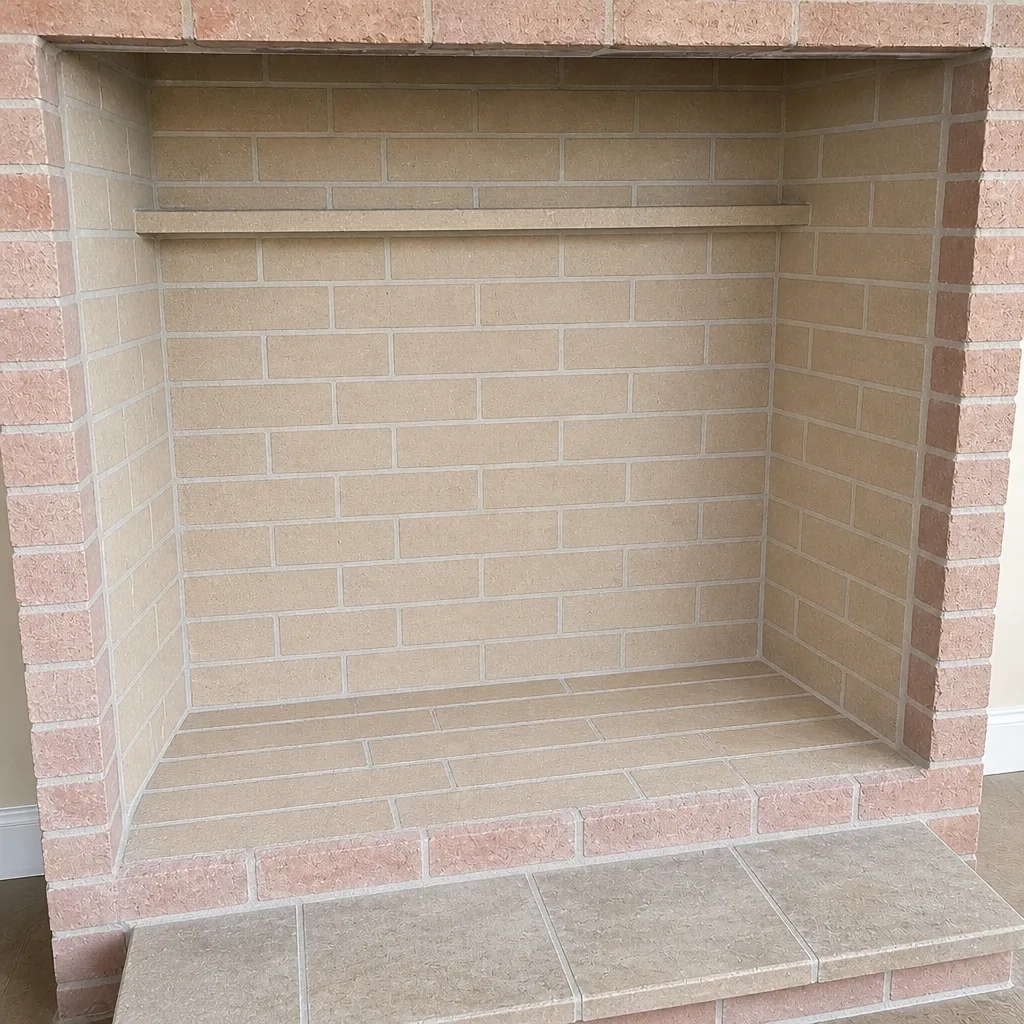
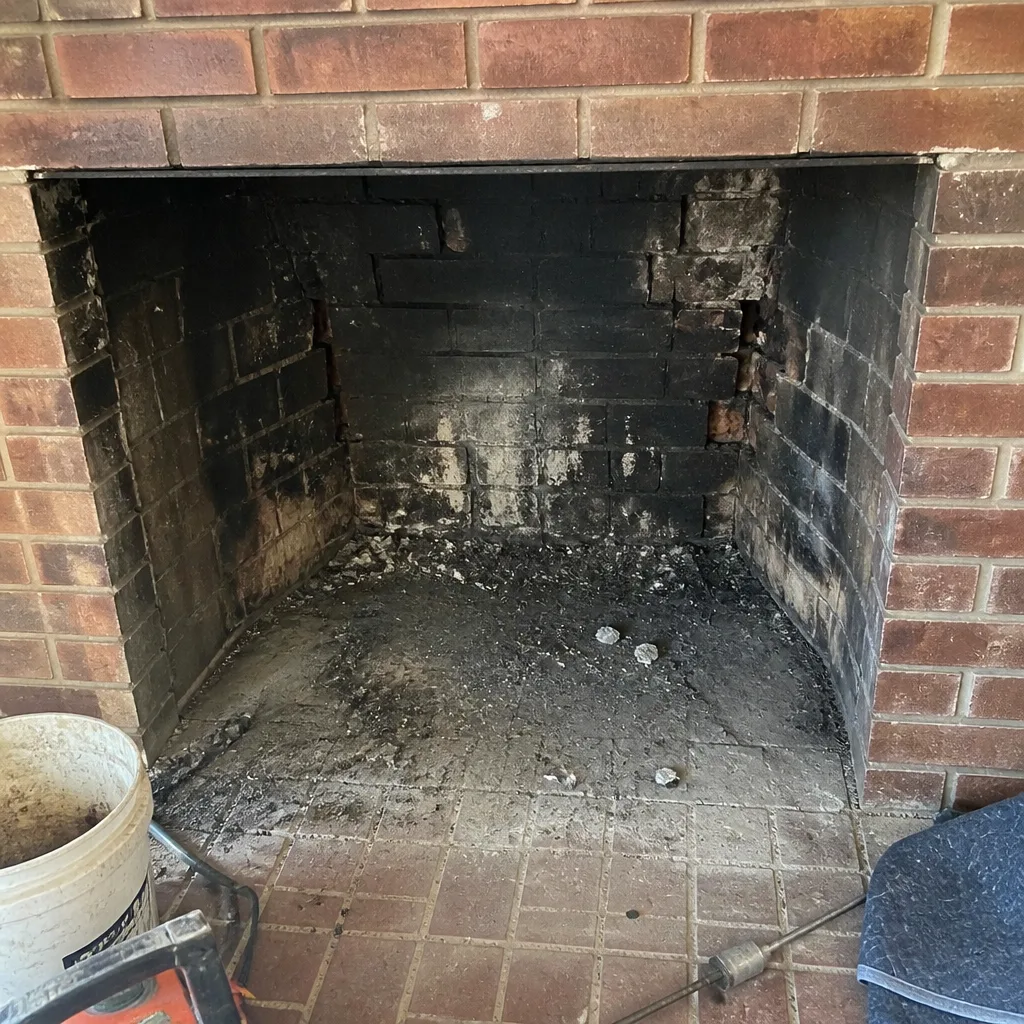
See the difference
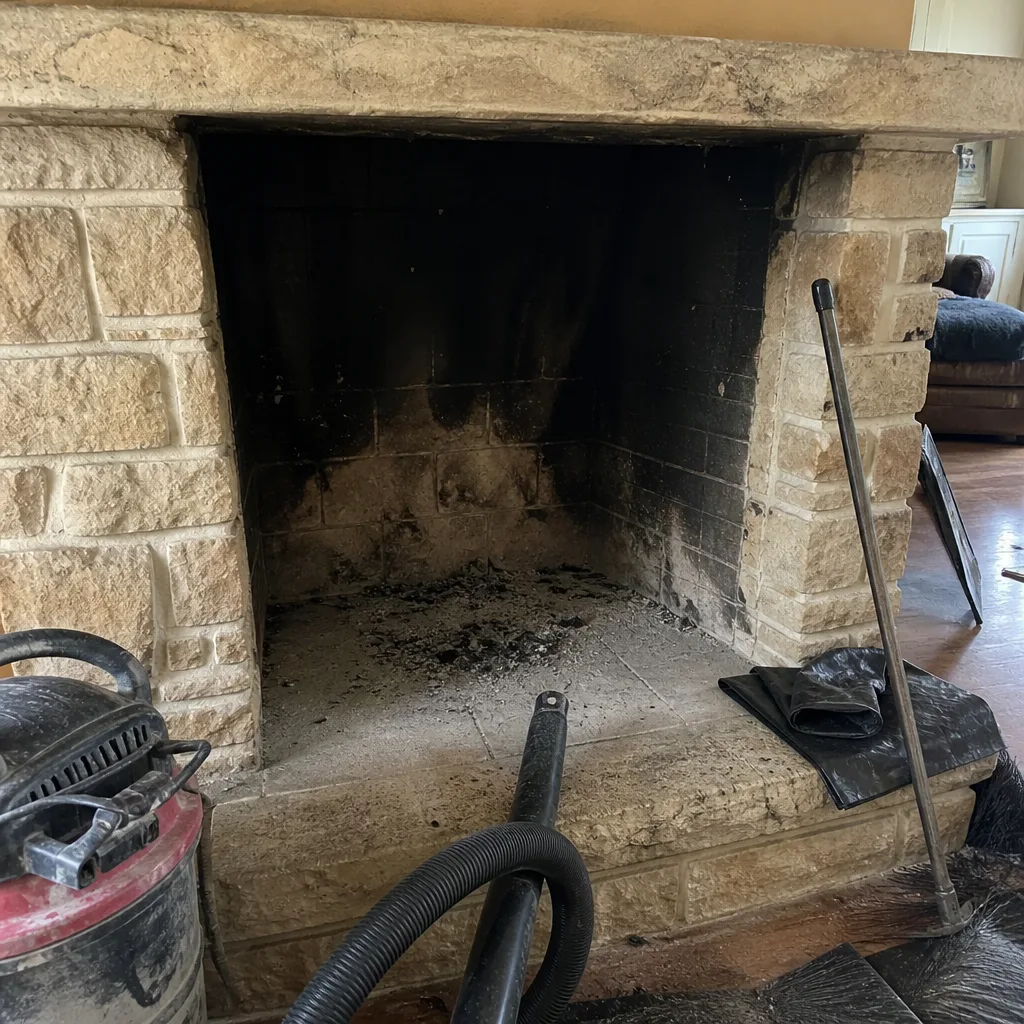 Before
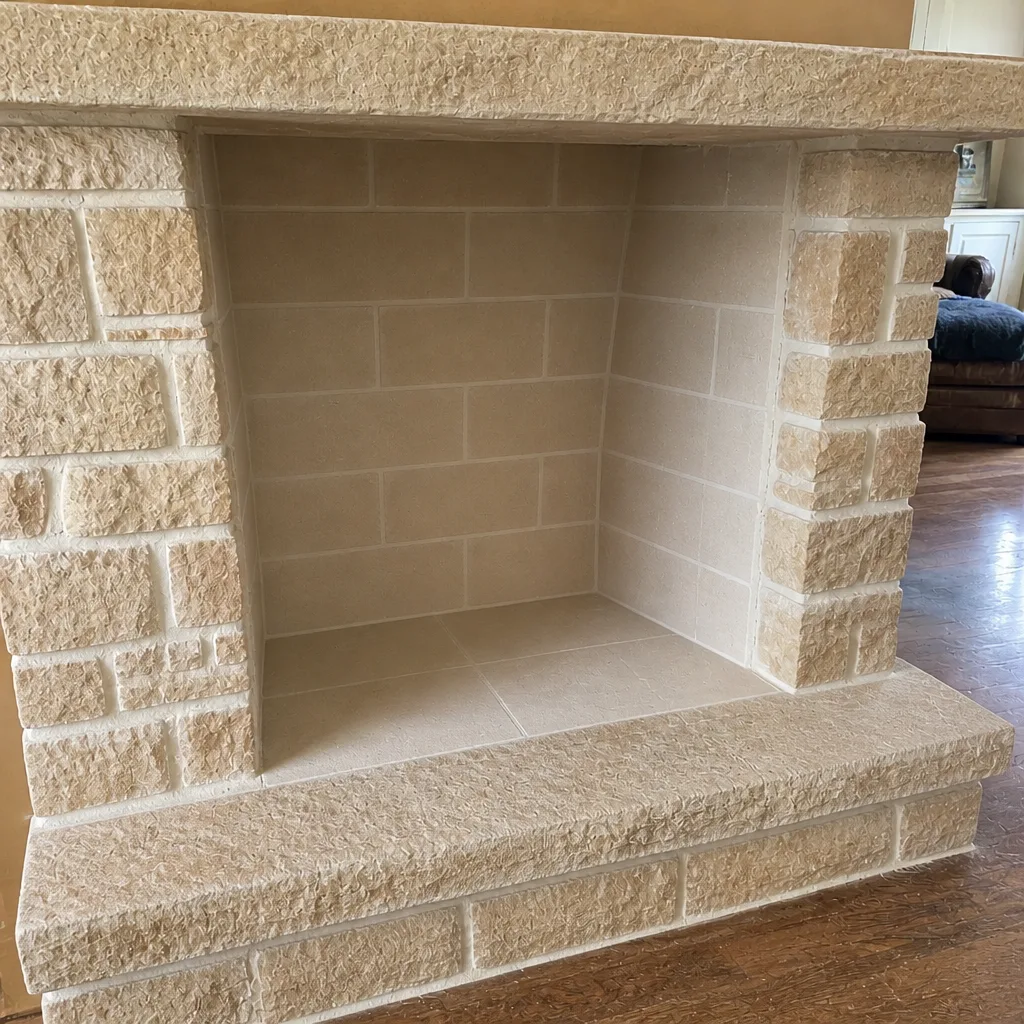 After
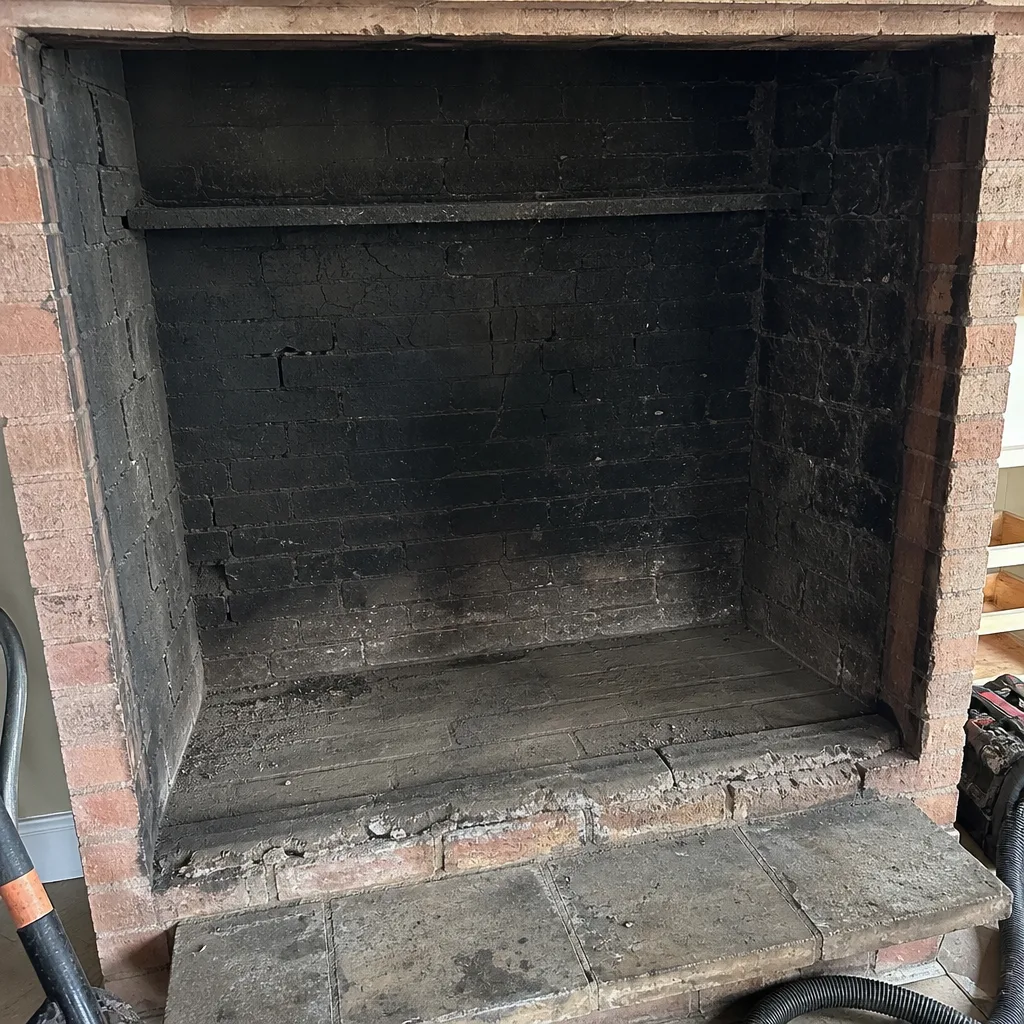 Before
 After
 Before
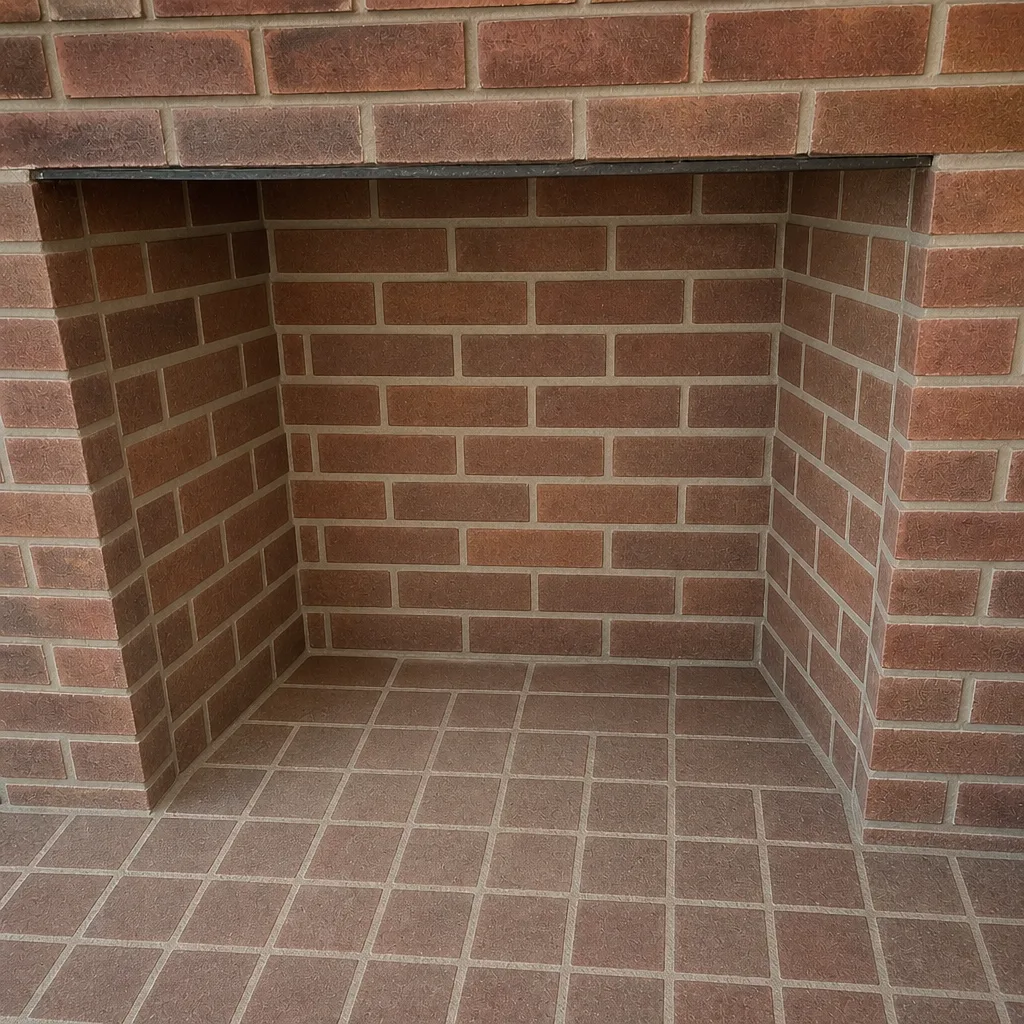 After